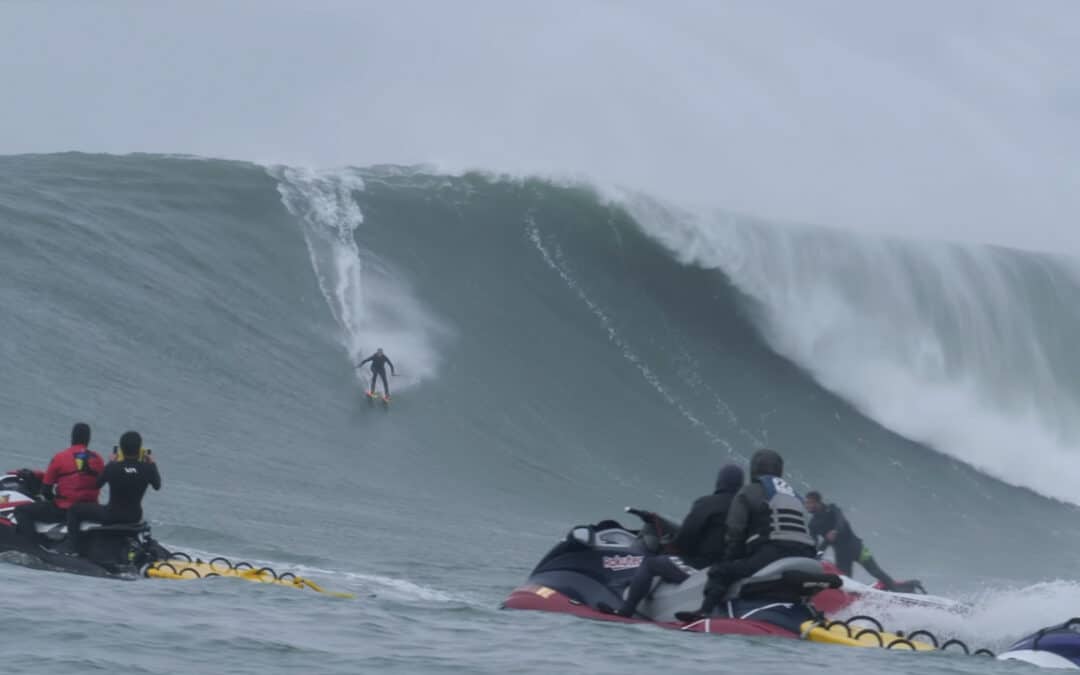
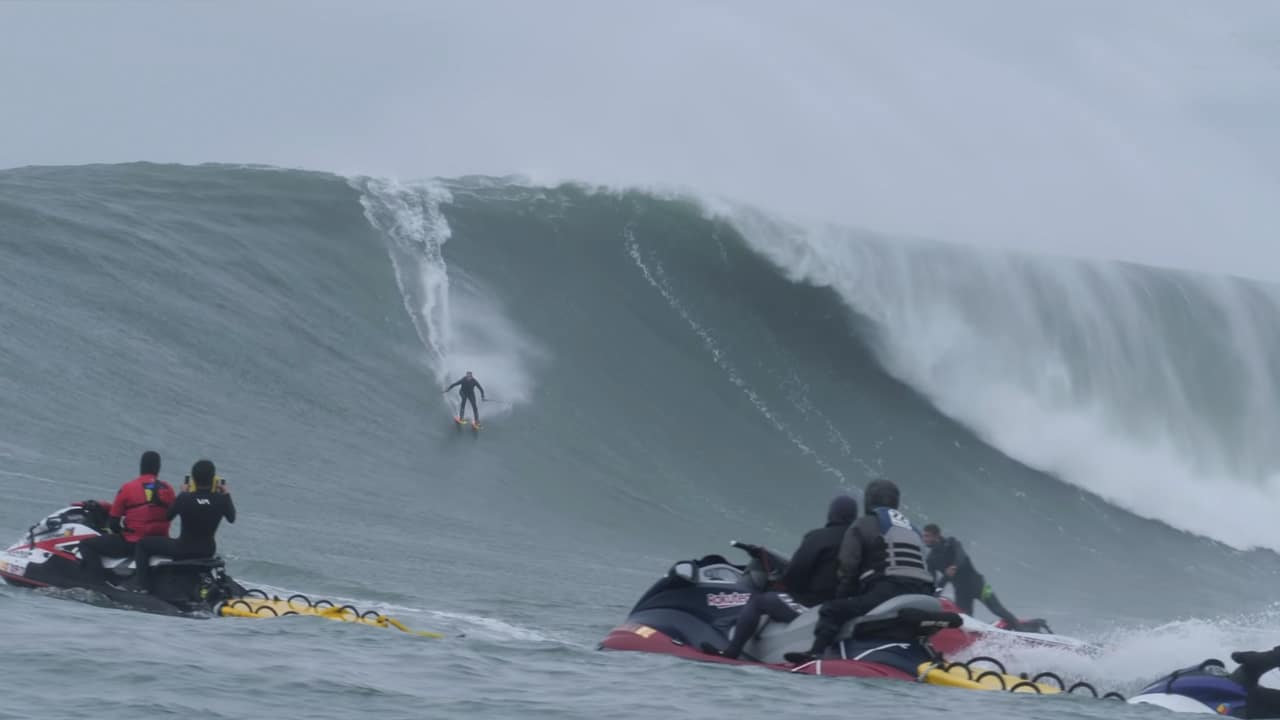
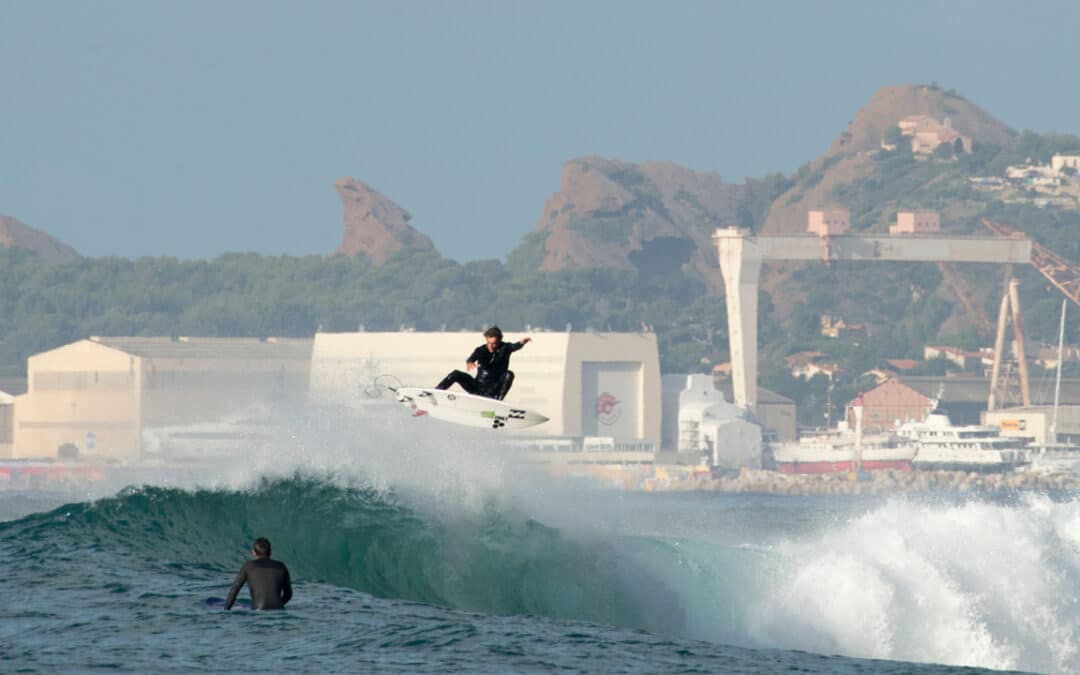
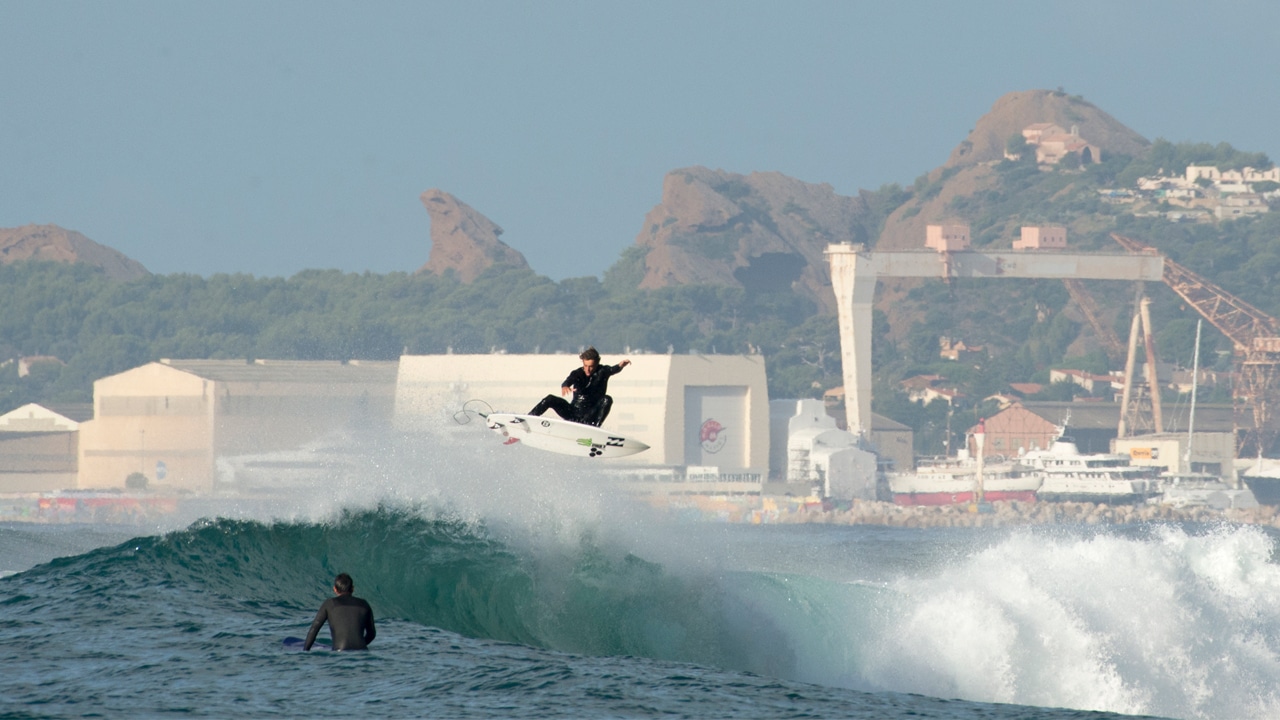
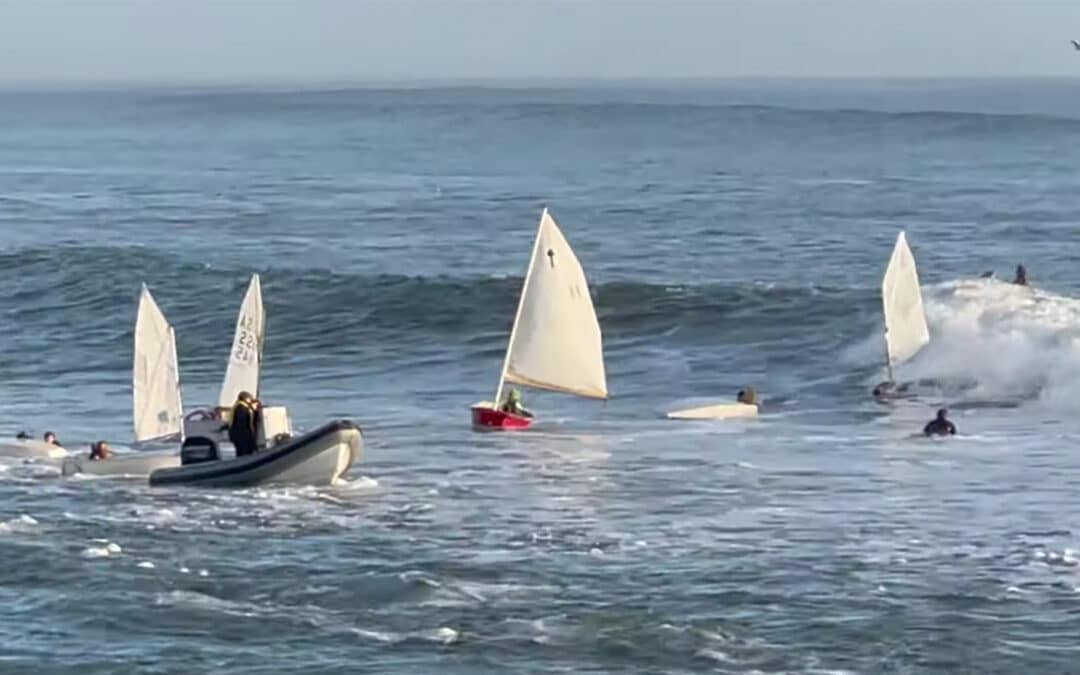
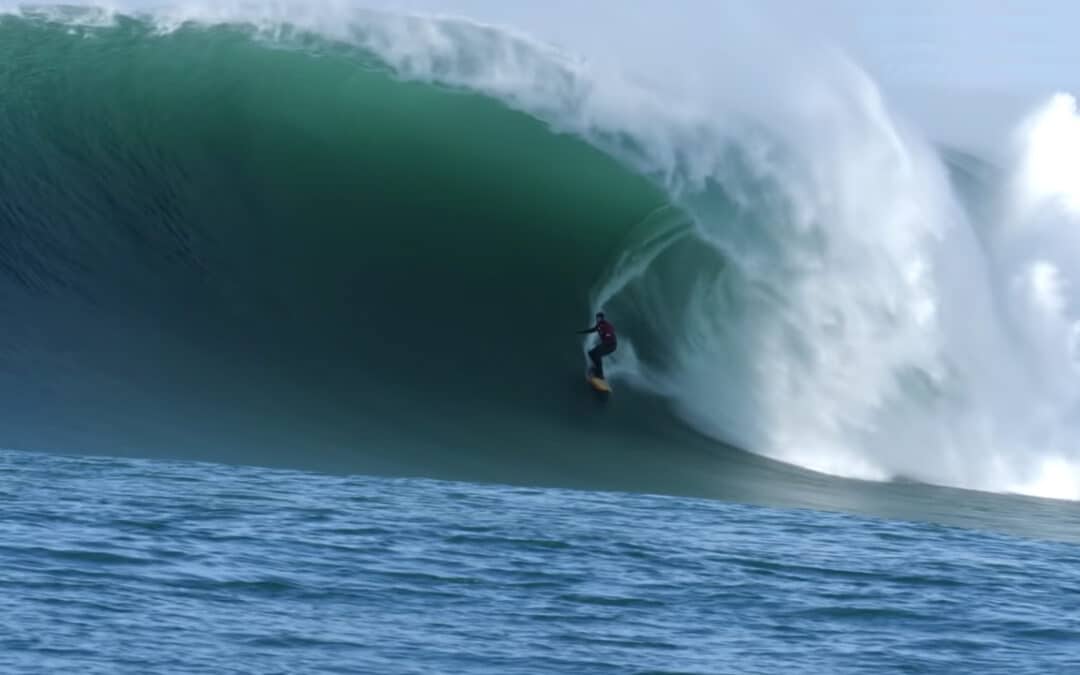
Monster barrels, Hossegor

Monster barrels, Hossegor

November has ended, we would say unfortunately, because it’s been the best month of surfing in France in long memory. A month of solid swells with offshore winds for days on end.

"The biggest barrels ever on that Hossegor bank" Didier Piter

Surfers: Joan Duru, Miky Picon, Paullou Laborde, Benjamin Sanchis, Justin Becret, Matthieu Agnes.

Big Wave Risk Assessment Group

Big Wave Risk Assessment Group

“It sparked something,” cofounder of Big Wave Risk Assessment Group (BWRAG) Kohl Christensen says of his friend Sion Milosky’s death at Mavericks on March 16, 2011. “We thought, ‘Man, this is fucked. One of the guys pushing the sport the hardest just died in front of us.’”

When Christensen’s good friend and BWRAG cofounder Danilo Couto returned to Hawai‘i from that trip to Half Moon Bay, California, it was apparent something had to be done. This wasn’t the first, and it wouldn’t be the last, death in the big wave surfing community, nor was it the first of Couto and Christensen’s friends to die pursuing waves of extra-large stature.

“I’ve had friends die before,” says Kohl. “But when they died, sadly, nothing really changed [as far as safety’s concerned]. When Danilo came back from that session, we got together and started BWRAG; it was the fire that started the whole movement.”

BWRAG is now an internationally taught course, featuring 14 stops across Australia, Hawai‘i, California, Portugal, Chile, British Columbia and more,* run by some of the world’s best big wave surfers with emergency response training. They teach ocean safety in a digestible two-day course.
“We encourage a large mix of age groups, and we want people to understand the course is not necessarily for advanced or big wave surfers. It’s also for young kids, the parent on the beach, whoever,” says Christensen.

The course is run by Brian Keaulana, a well-known and thoroughly respected Hawaiian lifeguard and the go-to person for maintaining ocean safety on the Hawaiian Islands when Hollywood comes to town. As BWRAG’s chief master instructor, he adapted the course from the military’s risk management program and applied it to the ocean.

“Ocean risk management is the meat and potatoes of the course. We teach people how to look for potential hazards at surf spots and beaches, and then we run scenarios: You’re at this break. Sally and Joe both went surfing and got hurt. Sally is unconscious, and Joe has a broken arm. What do you do?”
A lot of the surfers involved with BWRAG have had close calls courtesy of the ocean: Greg Long’s near-drowning at Cortes Bank, Aaron Gold’s near-drowning at Cloudbreak (he was revived by Greg Long), Christensen’s head injury at Pipeline in 2019, to name a few. And the close calls they’ve navigated their fellow surfers through are innumerable. It comes with the territory.

“A lot of people come into the course really excited about holding their breath as long as possible. People think holding their breath longer will help them surf bigger waves, but a lot of people walk away with a whole different set of skills than they imagined they’d have after taking the course.

“The way we teach CPR is easy to digest and fun,” Christensen continues. “A lot of people want to learn Jet Ski rescues, so we demonstrate proper pickups for conscious and unconscious victims. We train everyone on how to get picked up by a Ski, with and without a surfboard. We offer advanced courses for those who want to learn more about Jet Ski rescues, but in the normal course, we don’t have time to put everyone on the Skis.”

Christensen explains that other than junior lifeguard and lifeguard programs, there really aren’t many courses like BWRAG that focus on ocean safety and risk management.

Just this past year, Christensen was surfing at Pipeline—a wave he’s surfed on its heaviest days for the past two decades-plus—when he hit his head on the reef, knocking him unconscious.

“The only reason I’m still here is because I got rescued. It was gnarly,” he says. “The night before, I had missed a couple pretty throaty ones, and I was hungry. It was big, solid Pipe. A deep set came in; it was a little warm-up, nothing special. I pulled in and it [the wave] ran off, so I figured I’d just die with it in the tube. Not literally, though—” Christensen laughs, albeit darkly. “Then, boom! Right to the reef. The next thing I remember, I was lying on the backboard with an oxygen mask on, looking up at the lifeguards.”

At the time of Christensen’s injury, there were four Jet Skis in the channel. He was saved by fellow surfers and lifeguards with emergency response training (a lot of the same skills taught in the BWRAG courses) and largely due to the built-in flotation on the Patagonia impact vest he wore. “There are never four skis in the channel,” he says. “Andrew Logreco [North Shore lifeguard], who came over from Waimea because he had a feeling he needed to be at Pipeline, grabbed me. I was floating facedown. When he flipped me over, he said I took a huge breath; then Kai Borg [North Shore surfer and Pipeline staple], who happened to be out there with Jimmy Stuart, came and helped out. All those guys know how to do rescues. Kai grabbed Andrew and me and pulled us into shore. The lifeguards packaged me up and sent me straight to Queens Hospital.” Christensen suffered a fractured skull and was rushed into surgery. “I could’ve easily had a different result. I’m so lucky.”

“Strangely, getting wacked in the head has been the best thing that’s ever happened to me. It’s allowed me to finally see what’s really important. I’ve just been hanging out with my wife and two little girls, enjoying life,” he says.

Shutdown by COVID-19 in 2020, an online course is being released in place of in-person classes; presale registration is available here.

Courses included:

Ocean Risk Management
This module presents students with BWRAG’s core curriculum component - risk management theory. Students will learn effective approaches to identifying and mitigating risk and cultivate the same decision-making process utilized by military units and first-responder agencies around the world.

CPR/AED
This module teaches students high-performance CPR and AED techniques taught specifically for ocean/beach rescue situations, with a curriculum created by our long-time partners and top-rated CPR trainers at the AED Institute of Hawaii.

First Aid: Bleeding Control, Breaks, Dislocations, and C-Spine Injuries
This module provides students with examples of hands-on training in bleeding control, spinal injury extrication, joint immobilization, and more. We focus on the most common injuries and trauma scenarios seen in surf lineups.

Emergency Action Planning
Taking that long-anticipated surf trip? This module will teach students how to create a robust safety plan for any surf break in the world. Students will learn the process for building a safety team, including creating a checklist of critical preparation steps to complete before your surf trip (e.g., recording locations of the nearest hospitals, contact information for rescue and emergency agencies, response time of emergency rescue services, etc.).

Water Rescue: Swim, Surfboard, and Jetski Rescues
Are you prepared to save your fellow surfer? This module will instruct students how to conduct unassisted surfboard rescue of a victim, one- and two-person jet ski rescues of a conscious and unconscious victim, C-Spine extrication of a victim from ocean to beach, and important in-water communication techniques to employ during an emergency.

And more…
Want to learn from the best? Hit the link… 

Pumped

Pumped

"PUMPED' is a 13 minute insight into the Surf Lakes R&D facility near Yeppoon in Queensland, Australia.

After making waves for a couple of year and the constant process of testing and refining them, In August 2020 we gathered a slew of Australia's best surfers (in a Covid safe manner of course!) to ride the new set up and share their honest and unbridled opinions and feedback.

Skin Deep X Felicity Palmateer

Skin Deep X Felicity Palmateer

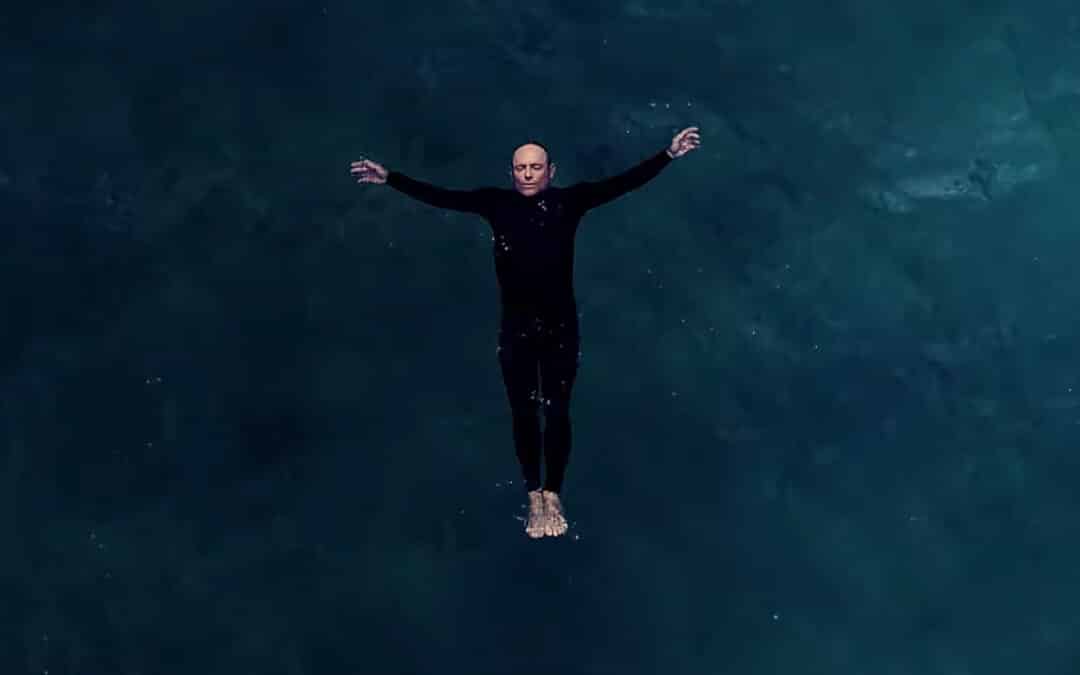
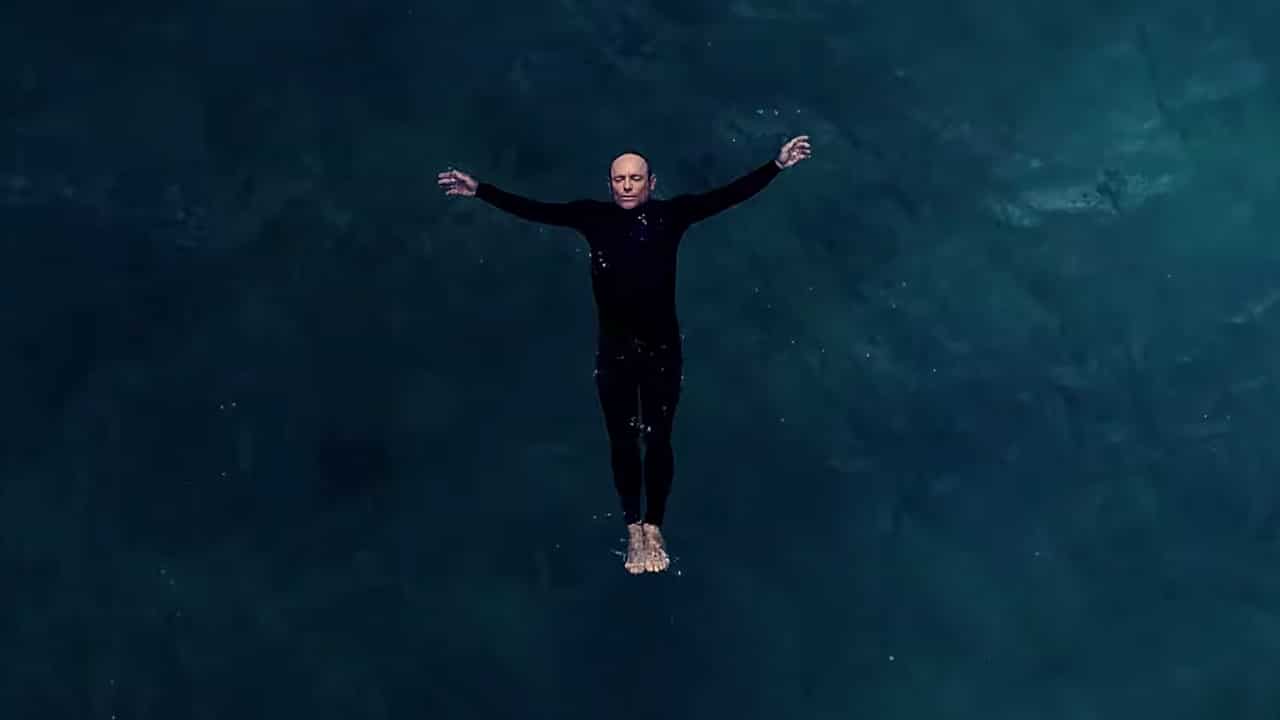
Australian artist and professional surfer, Felicity Palmateer (28, Perth, WA) is excited to announce the release of her latest artistic endeavour, “Skin Deep”.
“Skin Deep” is a truly avant-garde audio-visual performance art project that meshes Palmateer’s two great life-long passions; art and surfing.
In “Skin Deep”, Palmateer explores her own interpretation of what it means to be free.
By stripping down and riding waves in remote and idyllic locations, Palmateer undertakes a journey towards uninhibited self-expression. She is a lady, alone and at home in the sea, doing something she loves.
She is exploring her own definition of what it means to be “me”.

“What began as a rather simple yet scary and exciting idea, has transformed into something far more cathartic, beautiful and challenging than I dreamed,” explains Palmateer.
“The process was incredibly empowering. By embracing my femininity it helped immensely with my self-esteem and self acceptance.”
“The ocean has been my playground, it has shaped my life since I was young; as has art.”
“I use both surfing and art as forms of meditation, motivation and as escapism. I feel most comfortable when I’m either in the water surfing, or creating.”
“To be able to intertwine art and surfing in such an intimate way in a project like Skin Deep has been so satisfying.”

The Skin Deep project, conceptualised by Palmateer and brought to life with the help of a small team of professional film makers, has a production timeline of nearly three years.

Locations include Fiji, Hawaii, the south and north-west coasts of Western Australia and Northern New South Wales (AUS).

State-of the-art Phantom cameras were used to capture many of Skin Deep’s most hypnotic moments and hours of RED EPIC and drone aerial footage were accumulated, then edited to the resulting four-minutes of captivating vision.

While certain beaches, backdrops and coastal formations may be recognisable, other locations were chosen for their remoteness and unspoiled, natural beauty. There were many logistical hurdles to consider during production.

Explains Skin Deep Producer, Johnathan “JJ” Jenkins: “Many of the accessible surf zones we considered are populated year-round so finding ideal locations and accounting for weather and waves was very tricky.”

“Another big component of this production was secrecy. It was essential we sort trusted, professional operators. Not only to ensure Felicity could feel comfortable performing, but so that we could travel discreetly to particularly special areas and avoid people, other cameras and crowds.”

Art and surfing are the two driving forces that have steered Palmateer’s life. Her father, Warrick, taught Felicity to surf and himself is an acclaimed ceramist. His most recent exhibit Confluence premiered at the John Curtin Gallery in Perth, Western Australia in late 2018. Felicity’s mother, Pauline, studied fashion design.

Prior to the pandemic and Covid-19 related restrictions, a visual arts component of Skin Deep was planned with exhibits intended to be held domestically in Australia and Internationally.

For now, Skin Deep is being made available on Vimeo for AU$5.00

Citroën Berlingo Rip Curl

Citroën Berlingo Rip Curl

• Citroën and Rip Curl continue their joint venture by presenting Berlingo Rip Curl special edition.
• This new collaboration enables both brands to share their passion for adventure and leisure in a versatile, functional model to support an active life.
• This Rip Curl special edition helps Berlingo reinforce its dynamic character and offers an escape in the utmost comfort:
• Style: a recreational vehicle with an assertive and sturdy design. It displays a spirited adventurous personality by adopting ochre-coloured inserts both outside and inside.
• Comfort: based on a Feel Pack level, Berlingo Rip Curl offers a high level of comfort and practicality with features such as the opening rear window, automatic air conditioning, Citroën Connect Nav or rear view camera with Top Rear Vision for added peace of mind.

BERLINGO, THE BENCHMARK IN RECREATIONAL VEHICLES, READY FOR ADVENTURE
Citroën intends to reinforce Berlingo's adventurous spirit with this special edition, through an expressive and distinctive version, for a way of life geared towards freedom and action. Based on the core Feel Pack version of the range, the Berlingo Rip Curl has adopted an even more dynamic appearance with specific colour schemes both inside and out, and has been enhanced for the occasion by a number of features for even greater on-board comfort.

Citroën's user-friendly, functional and rugged vehicle stands out in particular for its 3 individual seats in row 2, a cabin bathed in light thanks to the Modutop®, an opening rear window for easy access to the boot, a useful capacity of up to 4,000 litres and 18 useful driving aids. Character traits that uphold the Berlingo philosophy and equate to a sturdy vehicle that can be modulated as required, to carry a tribe, bicycles or surfboard. All these aspects make the association between Berlingo and the world of surfing and leisure represented by Rip Curl obvious.

BERLINGO RIP CURL: LIVELINESS AND COMFORT
Citroën and Rip Curl develop well-designed and technical products for well-being, leisure and escape. Berlingo Rip Curl carries these values and offers a leisure experience with style and comfort.

STYLE: EXPRESSIVE AND DISTINCTIVE
The new Citroën Berlingo Rip Curl has a stylish appearance and is distinguished by touches of Ochre colour both on the inside and out. It quite naturally bears the surf wear brand’s logo.

Von Froth EP 19

Von Froth EP 19

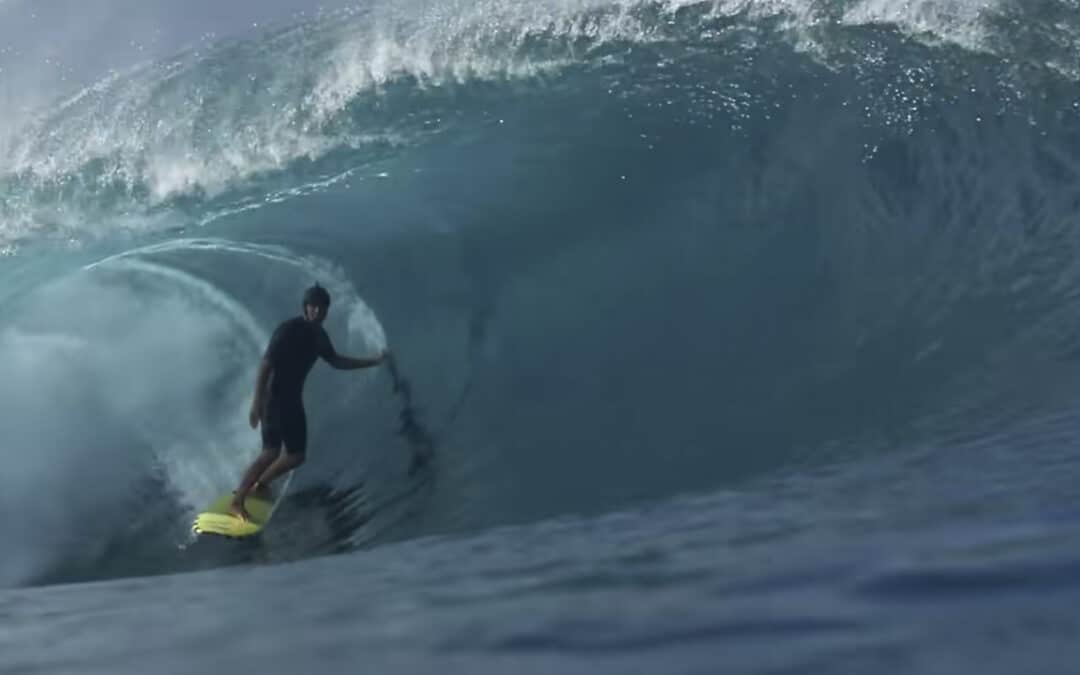
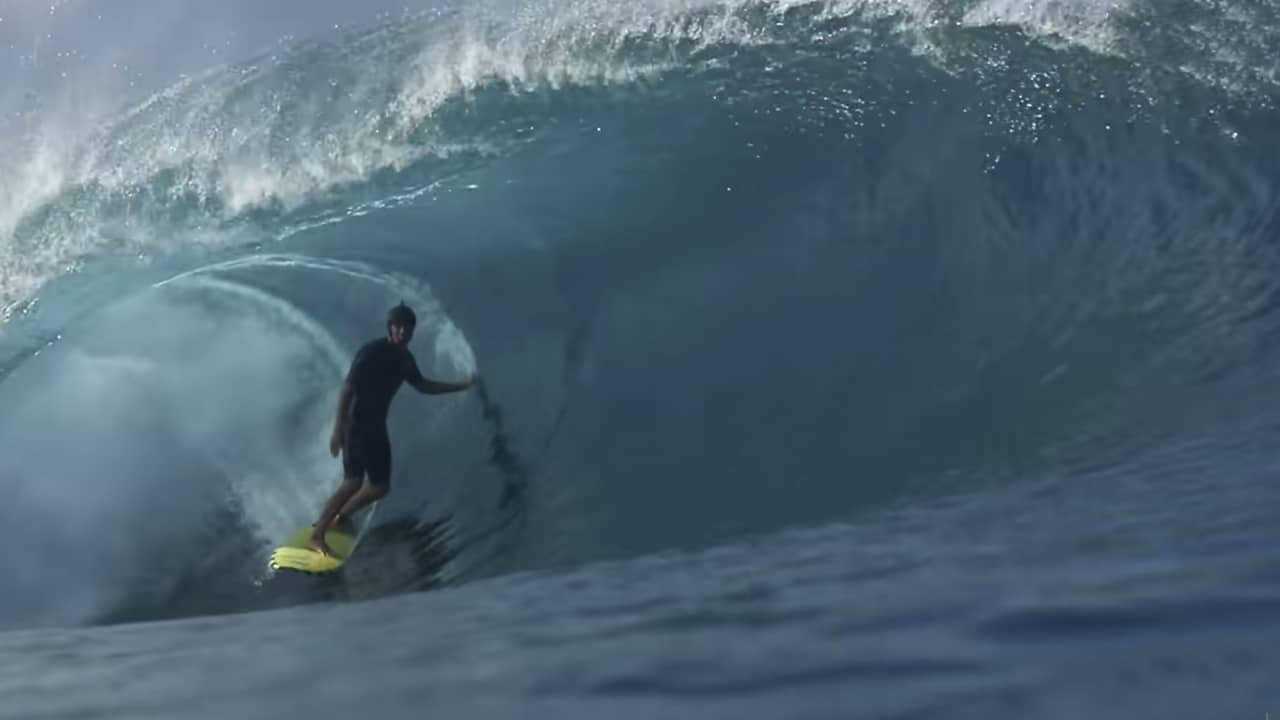
Cave, is such an insane wave.. It's a perfect wave until it isn't.
Deadly heads of rocks stick out of the water right in the line you gotta take to to make it. You never know what to expect out there, ride of your life or ticket to hell as many surfer have broken backs out there.

This time was a success, with the boys Miguel Blanco, Antonio Silva, João Guedes and Pedro Levi getting some sick rides and most importantly no one getting hurt.
- Nic Von Rupp