Costa Rica Travel Guide

Costa Rica is one of the few Central American nations that hasn’t got a blood soaked history of civil wars, guerrilla fighting, CIA-inspired coups and crazed despot dictators. There are no commie insurgencies or private armies here. Which in layman’s terms means it’s safe. The flip side of this is the number of tourists who head here to do the Centro thing without putting their necks on the line, and consequently (as tourism is the biggest industry) the cost. Dirt cheap Costa ain’t. If you’re stopping off here as part of longer Centro trip then you’ll definitely feel the financial pain when compared to neighbouring countries. That said, prices aren’t crazy and if you do your research you can stay somewhere for a couple of weeks without completely blowing your travel fund.

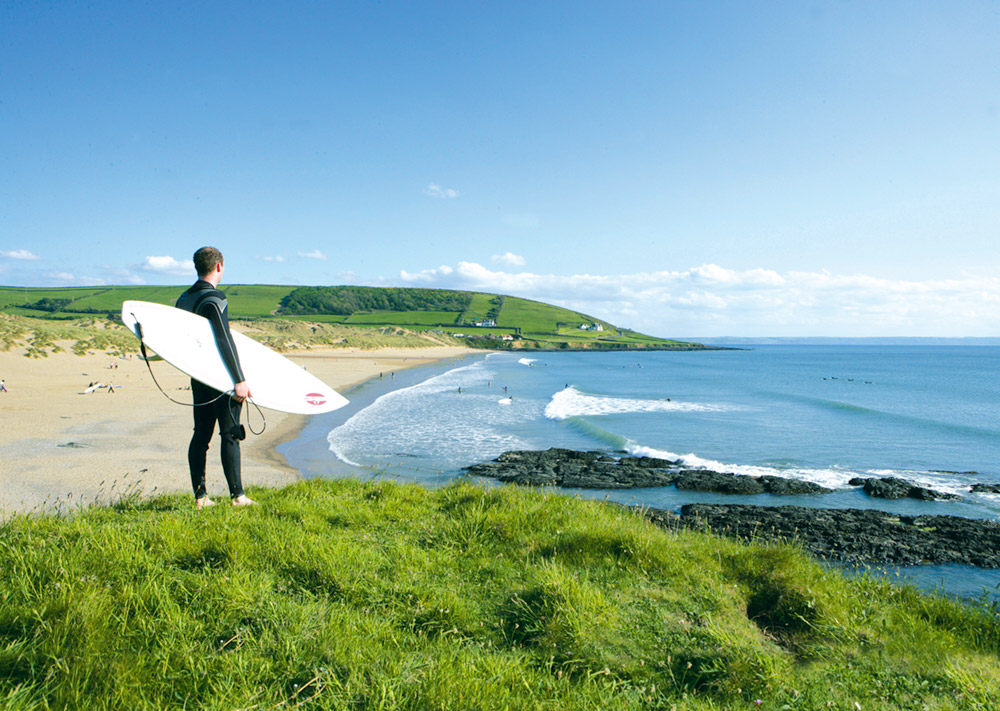
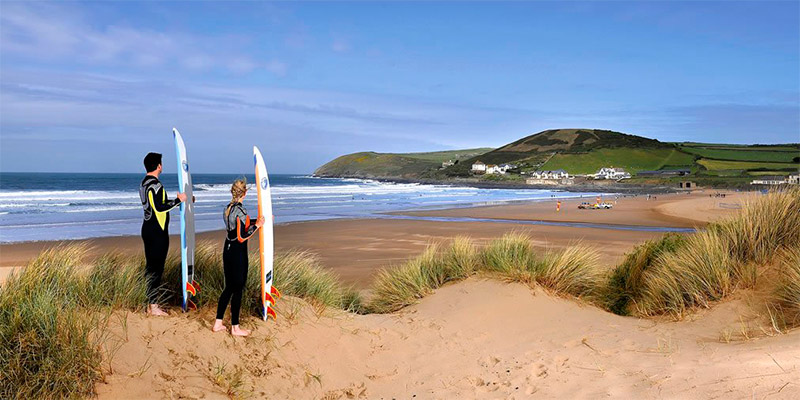
CR has been on surfers’ maps since the ‘60s and it’s a chilled and easy trip. The waves are consistent and fun, suitable for pretty much everyone, from those just starting out to the numerous pro’s who spend a few months here on winter escapes knowing that they’ll score good surf, day in, day out.
Guanacaste is Costa Rica’s northernmost province and it’s home to loads of good spots which break pretty much all year round. Size wise, well, you can leave the rhinochaser at home. The surf is rarely bigger than head high, but equally it’s rarely less than shoulder high. Now that’s consistency. With a Pacific-facing coastline which is all exposed to the same swell and has the same thermal conditions, it’s also not the kind of place where you spend hours each day checking spot after spot: if it’s on then it’s on. Hiring a car is worth it if there are a few of you, otherwise just get a transfer from the airport to one of the main towns and spend what you save on Imperial, the local beer of choice.
Tamarindo is one of the most popular options for an ‘everything you need within a 10-minute walk’ trip. It’s a beautiful spot with the town itself lying between two national parks. The main road through the town is lined with places to stay and places to eat, and you’ll meet plenty of people on their twentieth trip here; if it ain’t broke and all that. Within walking distance of the town you’ve got Rivermouth (a hollow right), Pico Pequeño (a reef which can barrel with the right swell direction), and Playa Langosta (a selection of hollow beach break peaks—some better than others, and some more crowded than others, so take your pick). Aside from all this good shizzle right on your doorstep, the other big pull to Tamarindo is access to the classic spots of Witches Rock and Ollie’s Point (of Endless Summer 2 fame). As both these spots are situated in a national park, there’s no accommodation close by and access is only really by boat (or a sketchy and not-really-worth-it 4x4 mission). This fact keeps crowds to a minimum, and you can expect to score some classic surf with only a handful of other guys in a properly stunning locale. Boats leave Tamarindo at first light and return at dusk. It’s not cheap though – you’re looking at around $100 for a day trip.

Ten kilometres (six miles) south of Tamarindo is Playa Avellanes and its neighbour Playa Negra. If you’re after the quiet life then this is a good place to stay...and you can be in the water before the Tamarindo dwellers have even finished their breakfast. Playa Avellanes has a rivermouth and a beach with plenty of quality peaks, while Playa Negra has a perfect righthand reef break.
When you’re travelling around a new country, it’s often the towns that you hear about first; your knowledge of the surrounding breaks then complete the picture once you’ve spent some time there. Nosara is a prime example of this – it’s the next well-known town down the coast from Tamarindo, and the destination of choice for many CR veterans. More chilled out than Tamarindo, there are just as many decent breaks around but fewer surfers vying for a piece of the action. Junquillal, Playa Marbella and Playa Pelada will keep you plenty busy for starters.
Continuing south along the Nicoya Peninsula, Playa Coyote is a long beach with fairly average waves but a fun righthand point at its southern end.
The next gathering point for surfers is the area around Santa Teresa and Mal Pais, a beachside community which sprawls along the coast for several kilometres. (Technically, it’s situated in neighbouring Puntarenas province, but it completes the stretch of coastline already described so it makes sense to include it here.)
There are loads of groovy little haunts here, from backpackers through to swish rental houses with pools. The Funky Monkey and The Green Rooms are both popular with surfers. Surfwise, there are dozens of fun beach break spots straight out the front which keep the multitude of visitors happy. And if you happen to be here when a bigger pulse of swell rolls in, then you’re in luck – there are several reefs close by which can get pretty fruity.
Hopping over to the next province, Puntarenas, those looking for consistent surf breaks should head to Playa Hermosa, located 10 minutes south of Jaco. Not be confused with Playa Hermosa in the Guanacaste province, this serious surfing haven is home to both national and international wave lovers. With world class waves aplenty, this spot is hosts a local grassroots surf contest called 'Backyard Surf Series’ featuring the best surf talent in Costa Rica plus Playa Hermosa holds the International Quiksilver Surf Championship every year. The area has plenty of bars and restaurants for those looking to hang out, surf, eat and grab a beer.
– Roger Sharp
WHERE TO STAY

BOOK SURF CAMPS
At BookSurfCamps.com you can search, compare and book all 119 Costa Rican surf camps from one easily digestible page. Whether you are planning to improve your surfing skills or to simply start learning, surfing in Costa Rica will give you the challenge you are looking for! Select one of the best surf vacations on BookSurfCamps.com and let the surfing fun begin. No booking fees and friendly customer support!
www.booksurfcamps.com
[email protected]
+44 20 3856 4015
SURF INN HERMOSA
Surf Inn Hermosa invites you to enjoy a slice of Pura Vida paradise where the pressures and priorities of life are left behind.
Nestled in the heart of Playa Hermosa and with beautiful coastline and some of the best surf in Costa Rica on the doorstep, Surf Inn Hermosa has become a highly sought-after destination for those looking for the ultimate surf experience.
Enjoy this boutique style hotel as a solo traveler, with friends or as a family, with four one bedroom studios a few hundred feet from the beach and two oceanfront apartments available. These vacation rentals were custom built and designed to help you enjoy the beach all day long!
Surf Inn Hermosa offers a surfing program for everyone, from beginners who want to learn to avid surfers looking to improve and everything in between, their local surf instructors help you to achieve your surfing goals.
www.surfinnhermosa.com
[email protected]
1-866-304-3265


CR SURF
Hailed as the Costa Rican surf travel experts, for over 18 years CR Surf have planned trips for surfers of all ages and abilities. Working with local boutique hotels to fit all budgets and partnering with surf camps with quality boards and certified instructors. Plus the company promotes sustainable tourism and are 1% for the Planet members.
Continually keeping surfers informed of news and upcoming events, CR Surf have published well over 850 surf reports and forecasts and have helped thousands of surfers and their families with their vacations, successfully linking them up with the best places to surf, stay and play in Costa Rica.
With a mission to help surfers unite their communities by promoting sustainable tourist and protecting costal ecosystems, use their expert services to maximize your time catching waves and find ‘pura vida’!
www.crsurf.com
[email protected]
877-787-3007
Video link
Frijoles Locos Surf Shop
"Costa Rica and surfing go together like scones and jam!"
For a brilliant family-adventure-holiday, Frijoles Locos Surf Shop in Playa Grande on the Gold Coast of Guanacaste, ticks all the boxes.
Their years of experience with showing families a fab time really shines through with the Frijoles Locos Family Packages which includes accommodation, airport transfers, not-to-miss activities, private family surf lessons, all the beach equipment rentals you need and so much more. Prices start at $2400USD for a family of 4. For more details have a look at
ADVENTURE PACKAGES
www.playagrandesurfshop.com
[email protected]
+506 2652 9235


Olas Verdes hotel
Olas Verdes is a sustainable beach hotel, with direct access to Playa Guiones through a short walk across the Wildlife Refuge; and 15 minutes from Nosara Airport. Offering casual luxury, Olas Verdes Hotel has the best location to explore the towns of Guiones and Nosara. Wake up with the waves and stay in comfort, while enjoying in-house surf and yoga lessons. El Manglar restaurant features delicious meals and smoothies with fresh organic ingredients. Free breakfast, Wi-Fi, beach cruisers, laundry and parking. Ask for the room specials and discounted Liberia Airport shuttles.
[email protected]
www.olasverdeshotel.com+ (506) 2682-0608
REAL SURF TRIPS
Real Surf Trips is home to the most swell exposed and wave-rich surf zone throughout Costa Rica's Guanacaste coast. From beginner surf packages to the most perfect waves for experienced surfers looking to progress to that next level; this is exactly what an all inclusive surf trip is supposed to be. Whether you're looking to book a vacation rental for the entire family, or you just want to add in a few yoga classes to your Costa Rica surf trip, Real Surf Trips features every amenity and experience Costa Rica has to offer! All you have to do is show up at the airport and they take care of the rest: first class accommodations, one-of-a-kind service and over 20 years of local surf knowledge, guaranteed to give you the Costa Rica Surf Trip you've been dreaming of!
www.realsurftrips.com
[email protected]
(831) 440-7676

QUICK TIPS
WHEN TO GO
The prime months are May to September.
AIRPORT
San Jose (SJO). If you’re flying from Europe, make sure that your stopover in the US is at least two hours so you have time to clear customs and make your connection.
ACCOMODATION
There’s plenty of options from swanky five-star hotels to backpacker hostels.
WATCH OUT FOR
Sunburn and the odd jellyfish.
BOARDS
It’s all about hotdoggin’ so pack accordingly...
RUBBER
You’ll only need boardies.
AFTER DARK
Think ‘a few quiet beers’ after a long day’s surfing. There aren’t too many places to party, but some towns have livelier bars and clubs.
ALTERNATIVE EXCITEMENT
Visit one of the National Parks; go zip-wiring; or just grab a beer and watch all the hotties on the beach.