I remember the first time that I came here, I stepped off the plane and I immediately felt that blanket of warmth and humidity.’ says Yannick Dejager “I’ve been coming here a lot of over the years now and although these days the crowds on some spots are as thick as the tropical air, it’s still one of my favourite places to go to.
This trip was no exception, the food, the waves and the culture mixed in with that magic smell of Indonesia, it will always be hard to beat to leave this option out when planning your next trip.”
Laura Crane
“I love this place so much that I decided to move here. Surfing and hanging out with Yannick is always good fun, I was stoked that we were able to shoot the real Bali, the Bali that I love so much.”
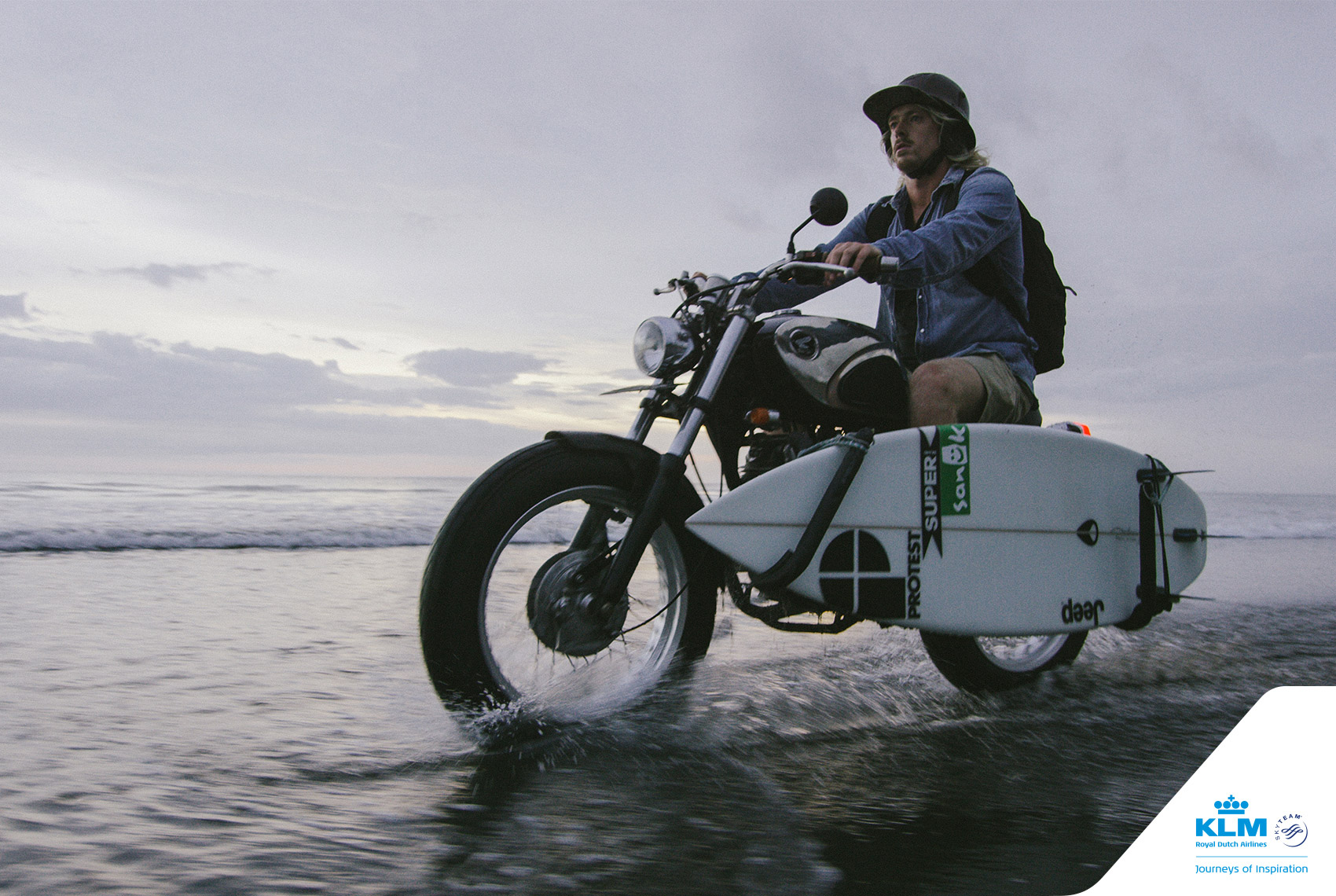
Dutch KLM are now taking surfboards on board free of charge on international flights. #KLM #takeyourboardasabag A boardbag can now be taken on board instead of a bag, if you are flying internationally that means no extra fee is charged; https://surf.klm.com/#!/surfgearonboard”
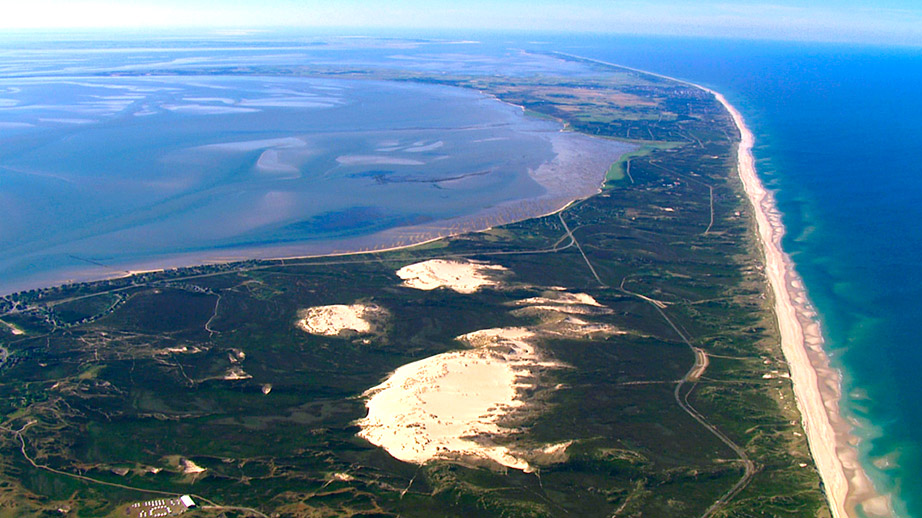
At the end of July I went with my family to the German island Sylt. It is just 2 hours away from our home and we hoped for nice weather and some waves before our trip to Cornwall beginning of August.
Sylt is an island in the North Sea – quite close to the Danish border. It is 99 square kilometres big and very narrow. Each year thousand tons of sand are washed up.
Sylt is the epicenter of the German surf scene but the waves are fickle – especially in summer. The forecast for the first days did not look great. I took along my 5´10 small wave groveler.
But all in all I experienced one of my best surf experience in Germany ever. My first surf took place at a sport called “Brandenburger Strand”. “Brandenburger Strand” is located directly in Westerland, Sylt’s only city. The spot can even handle big onshore wind because there are two small groynes. The bottom of the spot is sand with some boulders inbetween. The waves had 6 foot faces and broke even with a hard onshore wind for German standards really nice.
The following day I went to ´´Weststrand List´´. It’s the northern-most surf spot in Germany. A lifeguard told me that later there would be some good waves with offshore wind. The surf was good and there were some 4 foot faces and the waves were relatively clean. But there was a strong sideshore current. The next day was really good. In the morning everybody was talking about the evening because ´´Windguru´´ forecasted offshore-wind
Around 3 pm I went in for a surf at “Hauptstand Rantum”. This year the beach break is a shore break but a windswell brought some head-high waves with incoming tide. The waves were a little punchy quite similar to the smaller ones in Hossegor, told a friend. It was definitively my heaviest surf-session ever in Germany. Later in the evening I went to surf at the “Osteria Westerland”. The wind swung to offshore and 4 beaufort to 1. It was a nice arvo-session with the cleanest waves I have ever seen in German water. The next days were onshore but still okay. However then the wind dropped and I surfed clean 3-foot faces at “Tadjem Deel”, Rantum.
I was happy to score Sylt that good and never expected waves of such quality in the German sea.
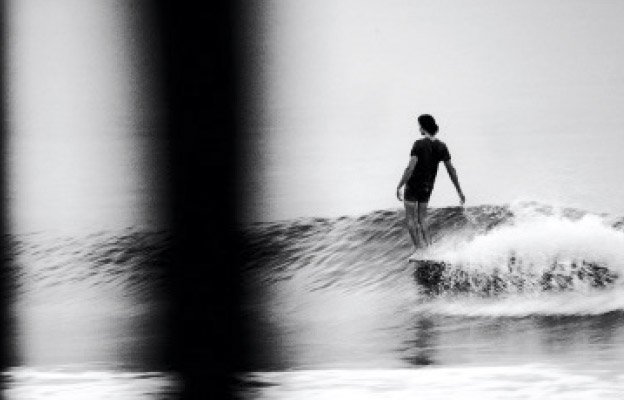
Zye Norris on the nose at Batu Keras, Java. COURTESY DEUS EX MACHINA
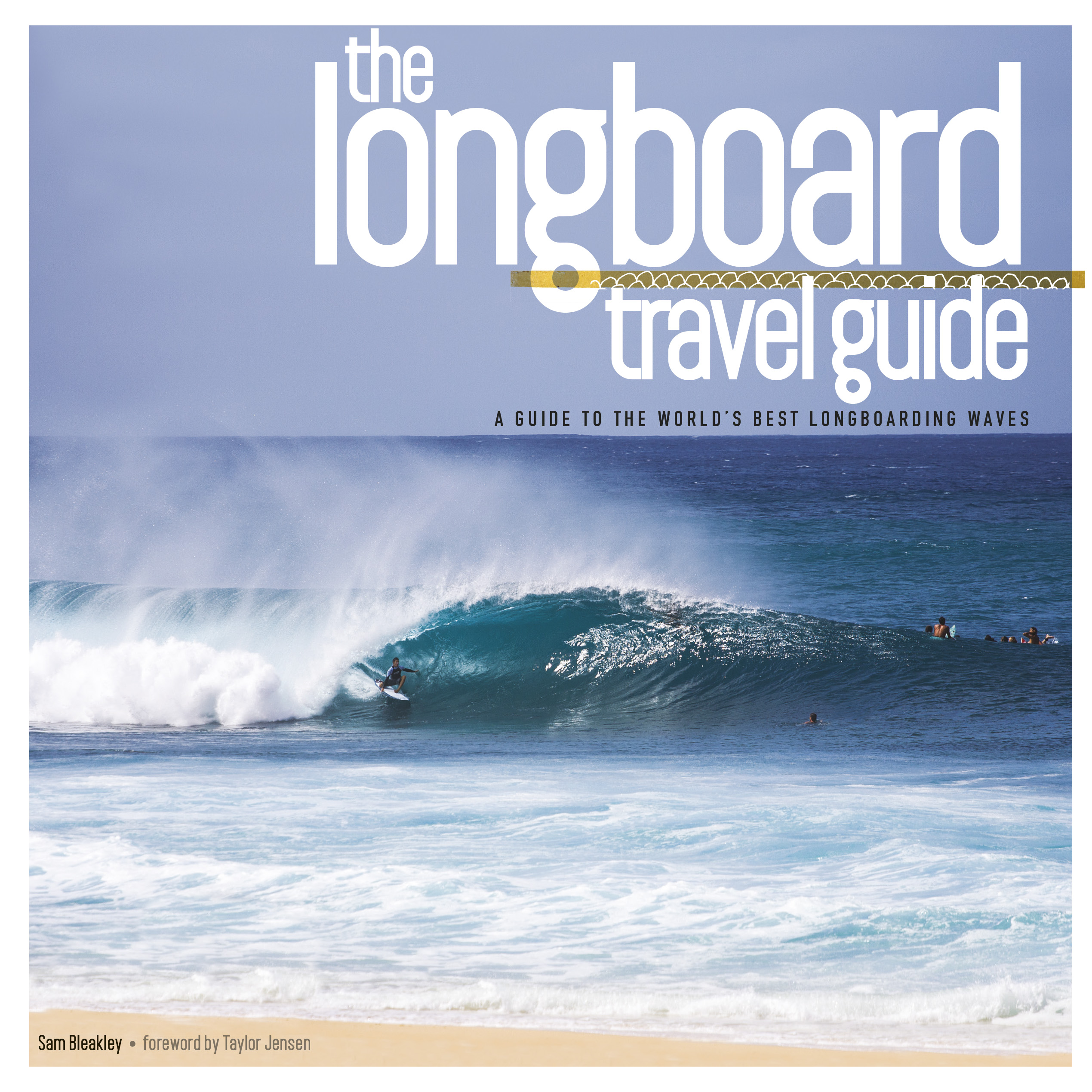
Your book The Longboard Travel Guide is just out. It’s the first dedicated guidebook to cover the subject, so the longboard community should be pretty stoked.
Yeah, I hope so. Longer boards are obviously harder to travel with, but riding them opens up so many interesting breaks around the planet, all sorts of thrilling points and peelers.
The book includes some interesting off-the-beaten-track destinations like Gabon, Western Sahara, Canada and Angola. Why were you keen to include countries like those?
It’s a fact of life that lineups around the world are becoming more crowded, so I think it’s important to open peoples’ eyes to new surf zones where they can be assured of high quality waves and minimal crowds. Only the most adventurous surfers make it to places that are a challenge to get to, therefore they remain uncrowded. Many of these places already have a small number of low-key tourism facilities available, such as eco-lodges, and they benefit tremendously when there’s an increase in adventure tourism. If you accept that the journey is part of the adventure, then I think many of the countries in the book will stoke your fires.
More and more surf travel companies seem happy to cater for longboarders these days. That’s got to be good news for loggers.
For sure. Surfing embraces such a wide range of abilities and approaches that any savvy surf travel company will cater for every level and every board type. But I think there’s still a gap in the market for specialist surf travel operators to provide exciting quivers of boards to use on location, so that the client doesn’t have to travel with a massive coffin bag of boards. Wouldn’t it be good to arrive at your destination and be able to borrow a small quiver for the duration of the trip (say a specific noserider, a performance longboard and a fish)? Obviously the premium might be higher, but what a great way to free-up the stress of travelling with boards, and enjoy the chance to sample new designs in new waves. Surf travel operators could easily collaborate with local shapers to achieve this.
Do you prefer searching remote coasts by road or by boat?
By road, if it’s possible. For me, one of the biggest rewards of surf travel is meeting people, experiencing the landscape and learning about the local culture.
Getting through airports with a 9’0″ is a mission. How do you do it?
It’s never easy! Lately, I’ve noticed that Gatwick and a couple of the Heathrow terminals have introduced a 2.5 metre (8’2”) limit for oversized baggage. This is because oversized baggage is placed in trays which go down chutes (for automated sorting) before being loaded onto the relevant plane. If the attendant working at the oversized baggage check-in refuses to take your longboard, it’s at the discretion of the duty manager to have a member of staff take the board by hand…and they might refuse to take it altogether. So, the options are either to travel with a board no longer than 8’2” at suspect airports/terminals, or choose airports/terminals with a track record of accepting full longboards (9’0” plus). I know from experience that Heathrow Terminal 3 (the home of Virgin, who are great for longboards) is at ground level and it doesn’t have a size limitation for surfboards as they get transported to the loading area without using chutes. Also, smaller international airports like Bristol (where you can connect to bigger hubs such as Amsterdam) currently have a good track record with 9’0” plus boards. It’s always wise to talk to the airline before you book and gather as much information as possible from fellow travellers.
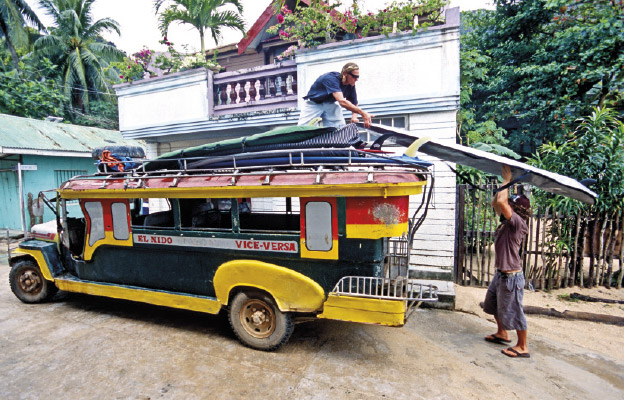
Sam on the road in the Philippines. JOHN CALLAHAN / SURFEXPLORE
When you’re planning a long-haul trip, do you choose somewhere consistent and book flights in advance, or wait for a good chart and go at the drop of a hat?
Well, our SurfExplore team doesn’t have the resources to go jetting off at the drop of a hat, so we hone in on an area and choose a month which is likely to give us good swell and good light for shooting. For example, July and August are the best months for surf in West Africa but it tends to rain heavily, so the early season (May and June) is a better bet if you’re shooting. Similarly, areas in the South China Sea that work during the northeast monsoon – Southern China, Malaysia and Vietnam – tend to have a pervasive gloom after Christmas which is awful to photograph, so it’s often best to go early in the season, say November. If you want to publish material or produce films, good planning certainly makes a difference. If you’re only freesurfing, of course, it’s just a matter of choosing the peak swell season.
What are your own personal all-time surf discovery highlights?
I’d say exploring Algeria in 2009. After three months of research and planning, photographer John Callahan and our SurfExplore team documented the northeast Mediterranean coast of the country, culminating in a few sessions at the outstanding left point of Ain Barber on a solid mistral swell. We were really on a roll at that time as our travel tactics had become almost military in planning and execution. The local crew in Annaba now ride this spot when it breaks (a handful of times per year) and our trip has become part of their surfing folklore!
How important is it that travelling surfers act responsibly while on surf trips to developing countries?
During my travels I’ve seen how sensitive cultural tourism can bring employment and resources to previously unstable and economically-deprived corners of the world, such as Madagascar and Liberia. So, positive cultural exchange is really important – it’s how bridges are built between different cultures and communities.
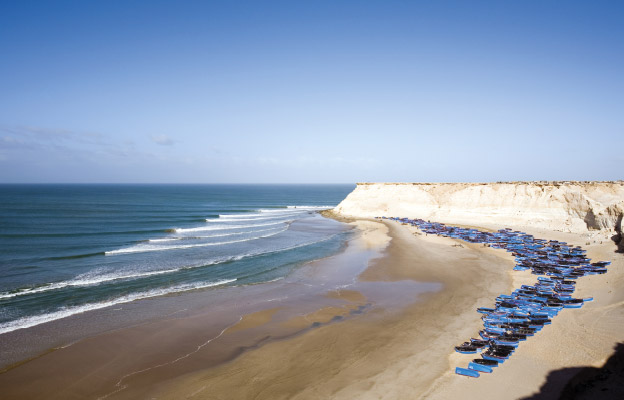
N’Tirift, way down in Western Sahara. JOHN CALLAHAN / SURFEXPLORE
The Longboard Travel Guide (Orca Publ.s) is available now price £17.99. Click here to buy.
KLM are now taking surfboards on board free of charge on international flights. A boardbag can now be taken on board instead of a bag. If you are flying internationally that means no extra fee is charged; https://surf.klm.com/#!/surfgearonboard”
With fjords, mountains, amazing surf and snow spots and chance of seeing the northern lights Norway is one of the magical places on earth to take a surf trip.
Yannick:
Everyone always seems to venture south, in search for warmer temperatures. Yet Norway is one of the most beautiful travel experiences I have ever had. In Norway that feeling of being connected and at the same time humbled by the surroundings is so intense. Surfing here just strengthens that feeling. It clarifies the mind.
I feel this place carries a magic and greatness that you can feel in your bones. On top of that there are no crowds and the waves can be amazing.
Mads Johnson:
Travelling in Norway is unique. The coastline we have here is as long as the westcoast of the US and there is so many in’s and out’s, so many fjords. There is unlimited potential for surf exploration here, I think you could spend a lifetime exploring here and never run out of new places to find.
After the John John Florence JetBlue fiasco we were pleased to learn Dutch KLM are now taking surfboards on board free of charge on international flights. A boardbag can now be taken on board instead of a bag. If you are flying internationally that means no extra fee is charged; https://surf.klm.com/#!/surfgearonboard”
Dutch Pro surfer Yannick Jager was behind the KLM campaign and their celebration of surfing;
‘As a proud Dutchie, I always preferred to fly with KLM, my native airline who flies to a lot of great locations around the world straight from Amsterdam. Whenever I stepped on board of a KLM flight it always felt a bit like ‘coming home’ after having been away for long periods of time.
So about a year ago I started talking to KLM airlines, with high hopes to find a way to make board bags free as a part of your standard baggage allowance. Fast forward to half a year later and it turned out there were holy corporate soldiers living within the concrete world of big business and dusty decision making dimension of multinationals. People that were dedicated in making a positive change for surfers and people that travel with a passionate reason.
A boardbag can now be taken on board instead of a bag, if you are flying internationally that means no extra fee is charged; https://surf.klm.com/#!/surfgearonboard”
They also gave me the opportunity to come up with a concept to shoot inspirational content around the campaign. I’ve always been looking to document my travels in the nicest way possible so it was a dream job come true. I wanted to work with a ambitious and dedicated, yet small team to work on the production and that really worked out. Stoked I got to work with some great people and to be able to portray a few of the KLM destinations in a way how I perceive them. Excited on the results.’’