Powers of Three
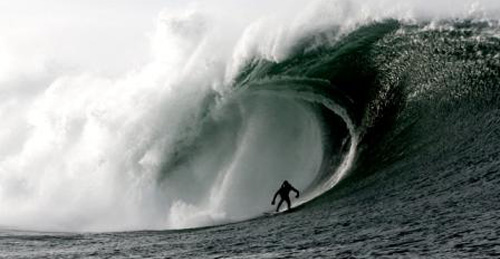
2009 and Fergal Smith, Tom Lowe and Mickey Smith are on the charge chasing slabs through the Irish winter.

2009 and Fergal Smith, Tom Lowe and Mickey Smith are on the charge chasing slabs through the Irish winter.
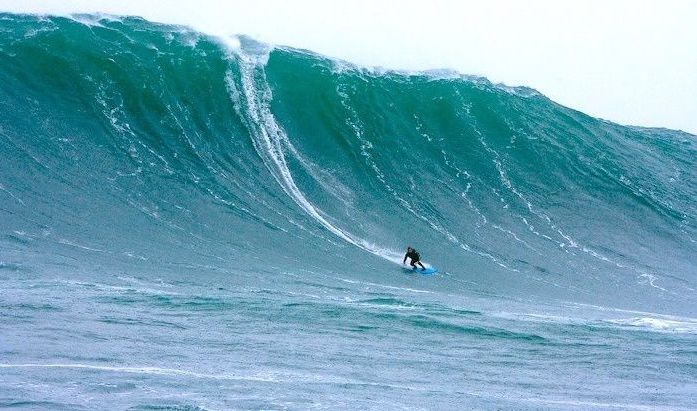
The O’Neill X Carve H30 project in 2007 brought together Britains and Irelands top big wave riders for the first time in a quest to push their limits. The surfers will chased the biggest storms that cross the British Isles for three months.
The highlights of these sessions was definitely Aileens, which was huge. Mickey Smith shot the water footage off the back of a ski with his camera protected by nothing more than a Tesco bag. I was supposed to go out too, but it was so big I went and sat on the cliffs holding a mobile ready to direct pick ups or call in search and rescue. I was convinced if the shit hit the fan someone would get badly hurt. Luckily the lads all worked together amazingly. The buzz after was unforgettable.
Surfers Fergal Smith, Andrew Cotton, Al Mennie, Dave Blount, John McCarthy, Richie Fitzgerald, Gabe Davies, Mole Joel, Ian Battrick, Jack Johns, Sam Lamiory, Spencer Hargraves, Russ Winter, Jamie Pardoe.
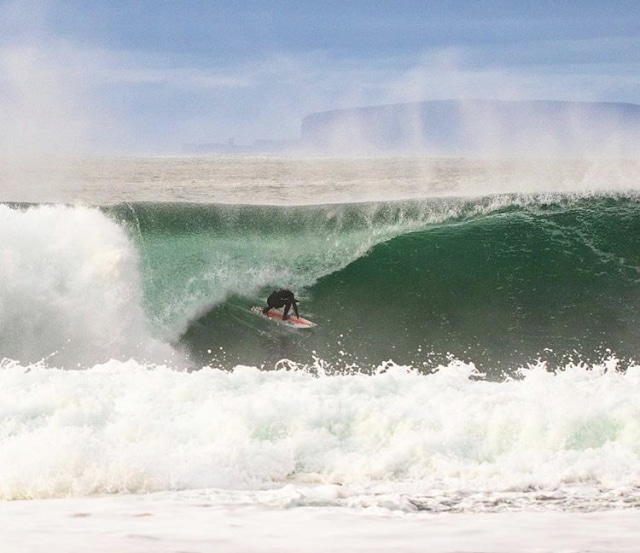
Harry Timson spends a winter in the UK tracking down cold water kegs.
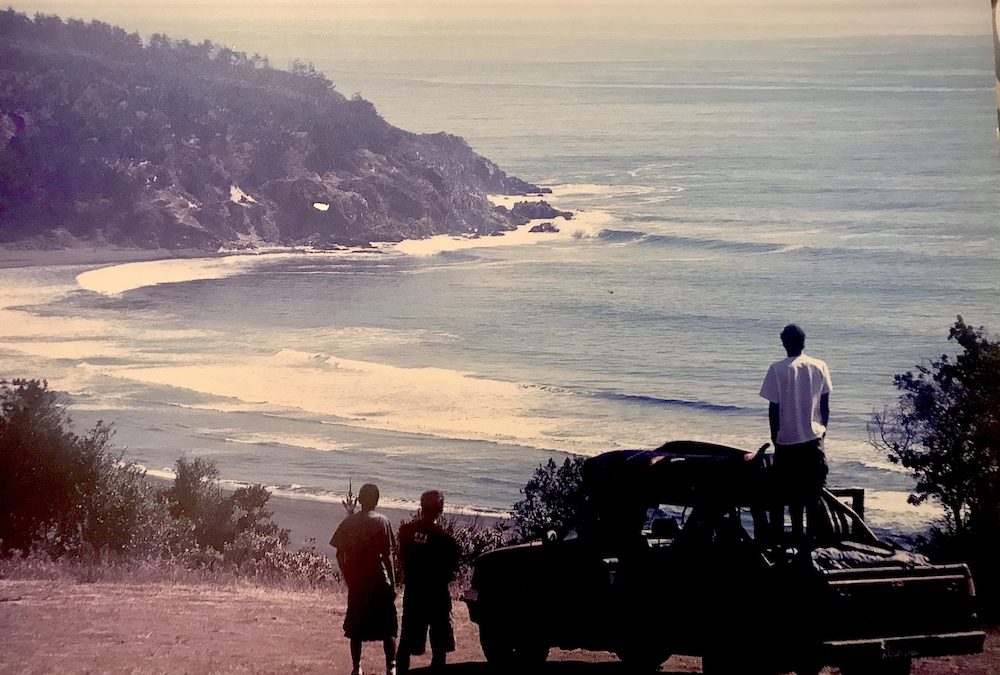
The second Carve film shot in Cornwall, Yorkshire, Scotland, Wales Chile, Ments, Ireland, Portugal, Spain, Canaries and France. Featuring top surfers of the day – Russ Winter, Spencer Hargraves, Sam Laimroy, Jake Boex, Mole Joel, Gabe Davies, Nath Phillips, Eug Tollemache, Alan Stokes, Rhino Thomas, Guts Griffiths, Sam Bleakley, Lee Bartlet, Carwyn Williams and more
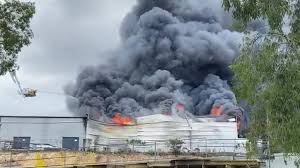
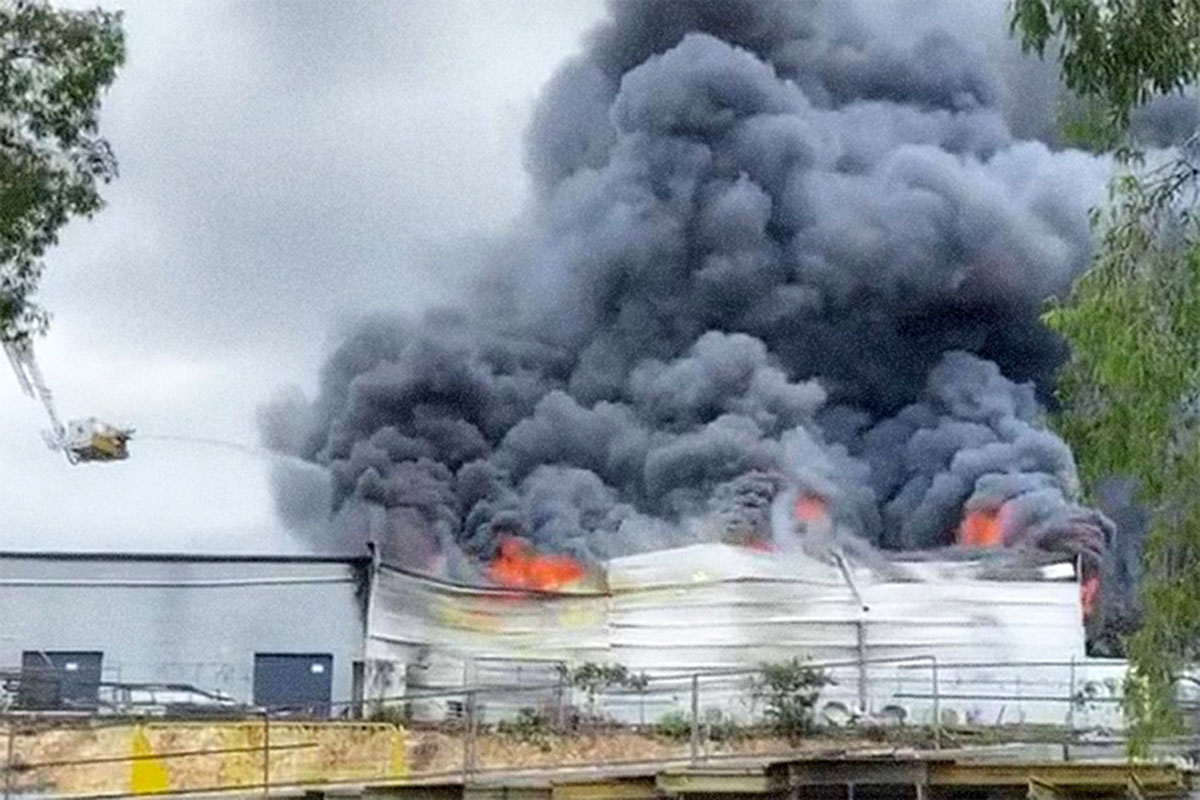
Australian media are reporting that the DHD factory in Queensland has burned down. Apparently two factories have been very badly damaged at the Burleigh Head industrial estate.
The fire started Boxing day morning in Australia, more news as it comes in. Thoughts with DH and the team. Not something you want to see at any time of the year, but sucks to see it happen over Christmas.
Words by: Tom Hodgins
From job interviews to big swells and from spiders to getting back on the board after a wipeout; there are limitless triggers throughout life which can make our palms turn a little damp, mouth turn dry and our heart pound against our chest. Fear – it paralyses us and prevents us from bringing our best self to whatever situation we get set off by. These examples above are not life or death. So – why is it we get worried? The answer to this lies deep in our brain, in the primitive areas that first evolved in our early ancestors millions of years ago. These areas are responsible for our emotions and keeping us alive, such as inducing fear when confronted by an angry-looking man. We share these areas with numerous animals, the difference being that we can trigger ours by merely thinking about something that scares us, and we replay the event over and over afterwards. Our ability to blow past or potential events out of proportion comes from the more recently evolved mushroom-looking outer layer of the brain. When remembering a phone number or deciding what you want for dinner, this area is pretty handy, but when combined with fear, it enables us to imagine the worst, recall previous failures or find reasons why we shouldn’t do something. Now we know this mismatch between our primitive, survival-focused brain and our human, ‘thinking’ brain is behind the crippling mental and behavioural outcomes of fear, what can we do to overcome them?
• Be Aware
Knowing where our fear comes from, understanding it’s our survival parts of your brain going into overdrive to protect us can be helpful. At times, we listen too much to what fear has to say, so knowing that it is our brain attempting to protect us gives us a starting point to choose how we behave. Noticing your thoughts or images in your mind, such as ‘I can’t do this’ or picturing a wipeout, and accepting where they come from gives us power.
• Recenter
When fear kicks in, our minds often go to the past (‘what if it happens again’;’ this is very similar to that time I failed’) or the future (‘I’ll look stupid if I don’t succeed’;’ the worst is going to happen’). If we are going to perform to our best during these moments, bringing the mind back to the present is crucial. There are several ways you can recenter your mind. Some examples include: splashing water on your face and focusing on the sensation, looking what you can see on the shoreline, bringing your attention to your breath or the soles of your feet, or even looking around to find a particular shape or colour near you (e.g. ‘what is red around me?’)
• Reframe
The physiological effects of fear, such as getting sweaty, breathing faster and shaking, are the same symptoms of excitement. Research has shown that simply by telling ourselves we are excited, rather than fearful, enables us to perform better. While the body will still feel the same, the mind will feel much clearer and in control, putting us back in the driving seat.
• Go Quick
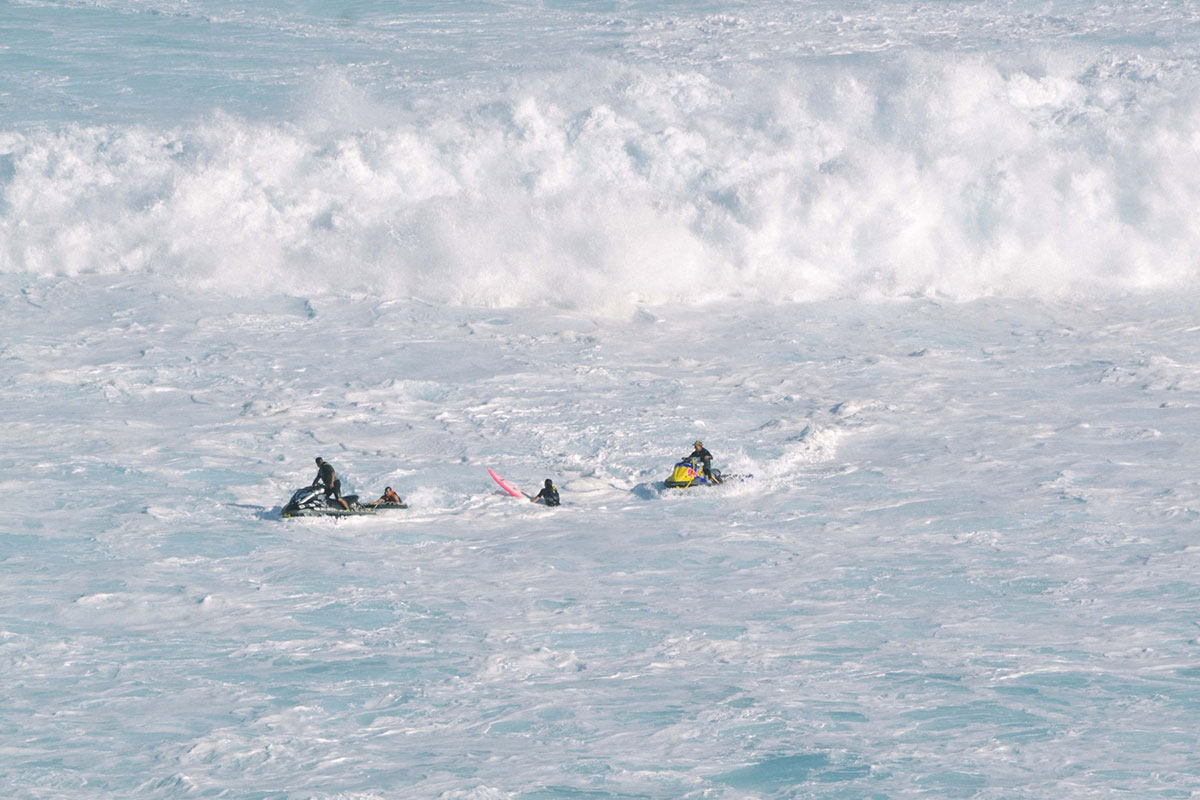
Giving your brain time to overthink is a surefire way to back out of something. To conquer this tendency, give yourself a five-second rule. Commit to something you’re scared about in five seconds to prevent you from being able to talk yourself out. For instance, after a wipeout, take a deep breath and start paddling out back before your mind tells you to give up.
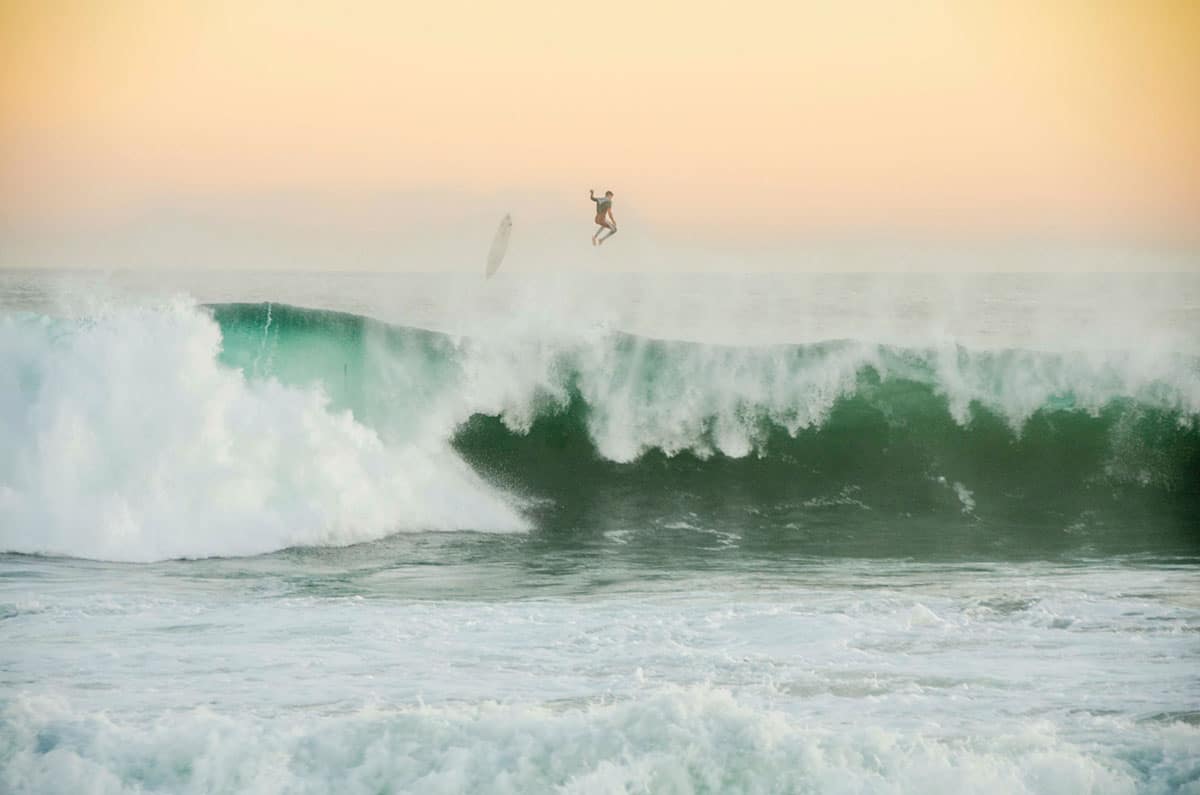
One final caveat – fear has its place. If you’re a novice surfer on a foamy contemplating paddling out at Pipeline, the fear response will do you some favours. However, all too often, we live in our comfort zones because of it. It’s time to take charge!
Follow Tom on Instagram @tomhodginspsychology and his website is: thpsychology.co.uk