Return of the Waves
Carve Crew · September 2026
Return of the Waves
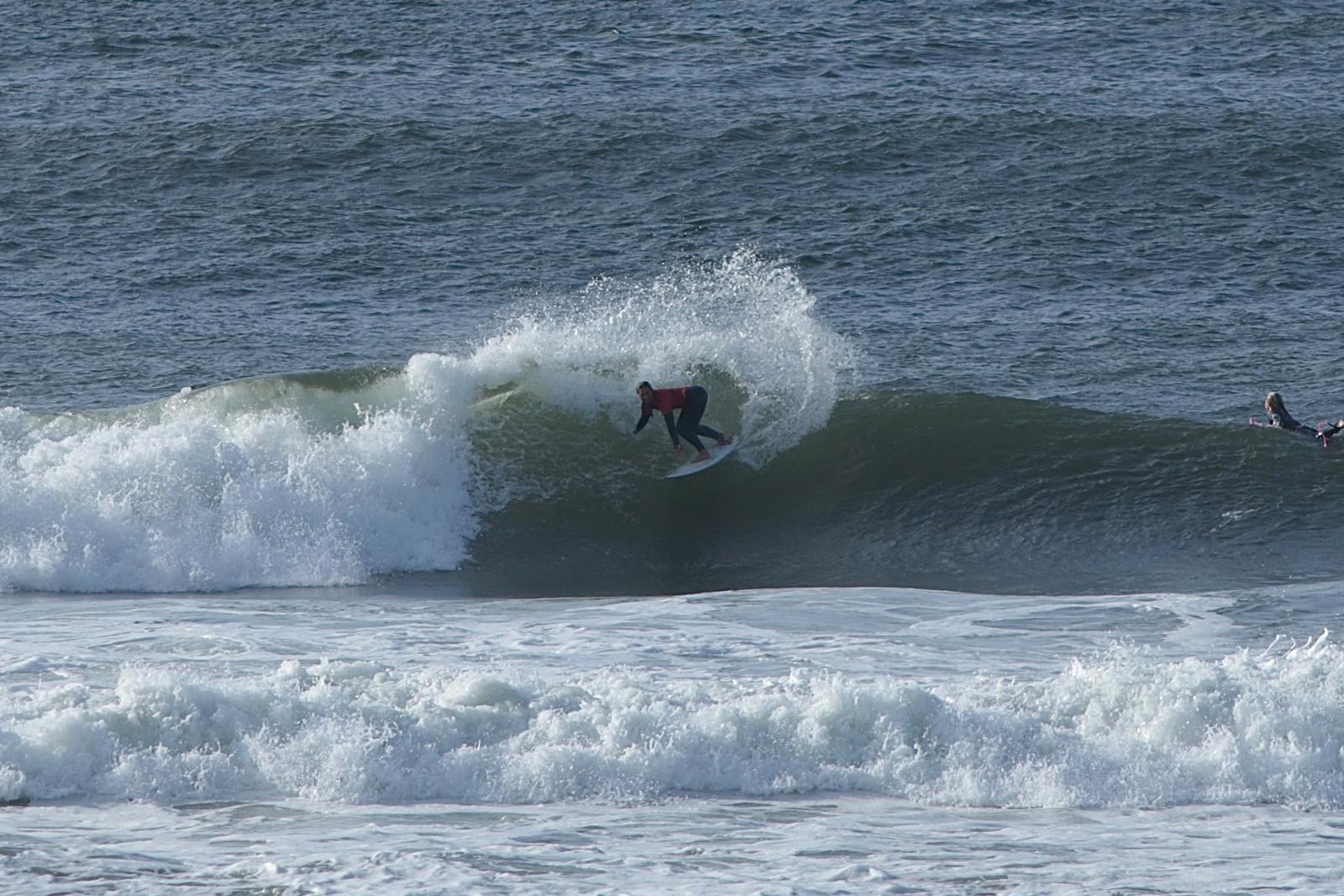
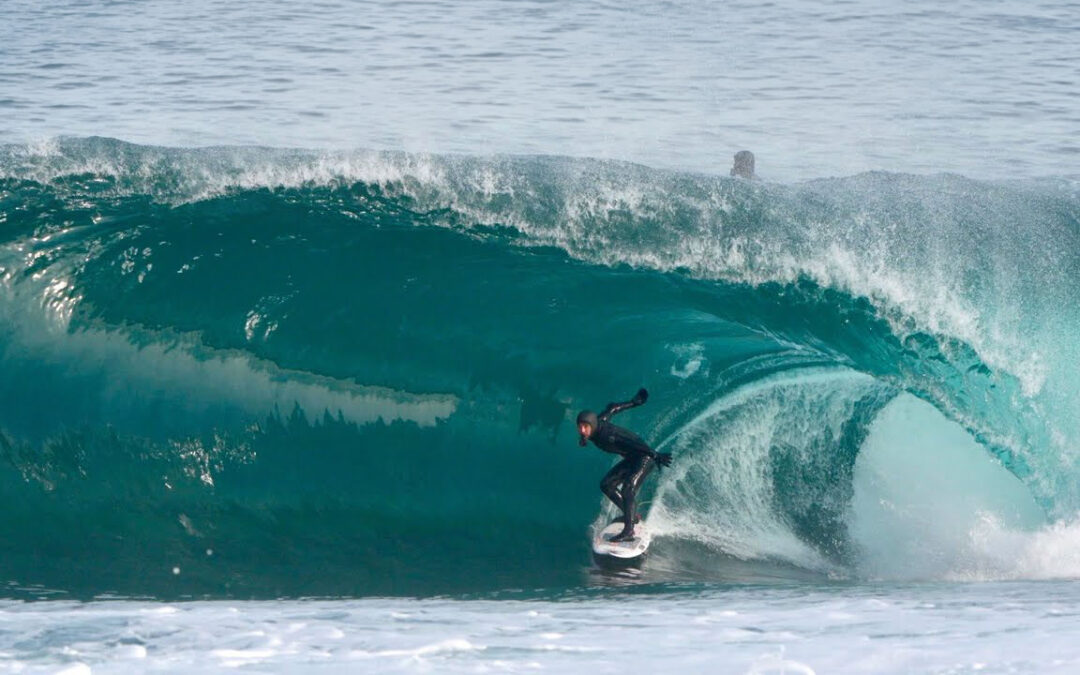
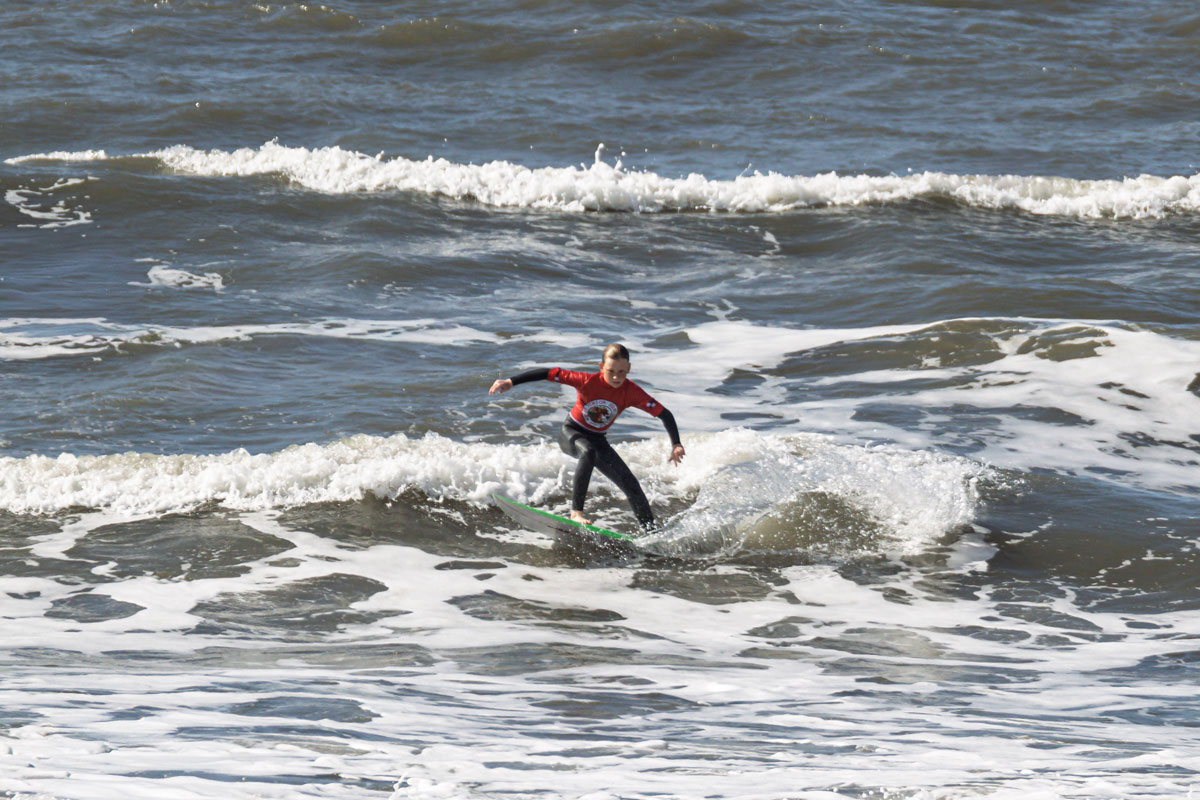
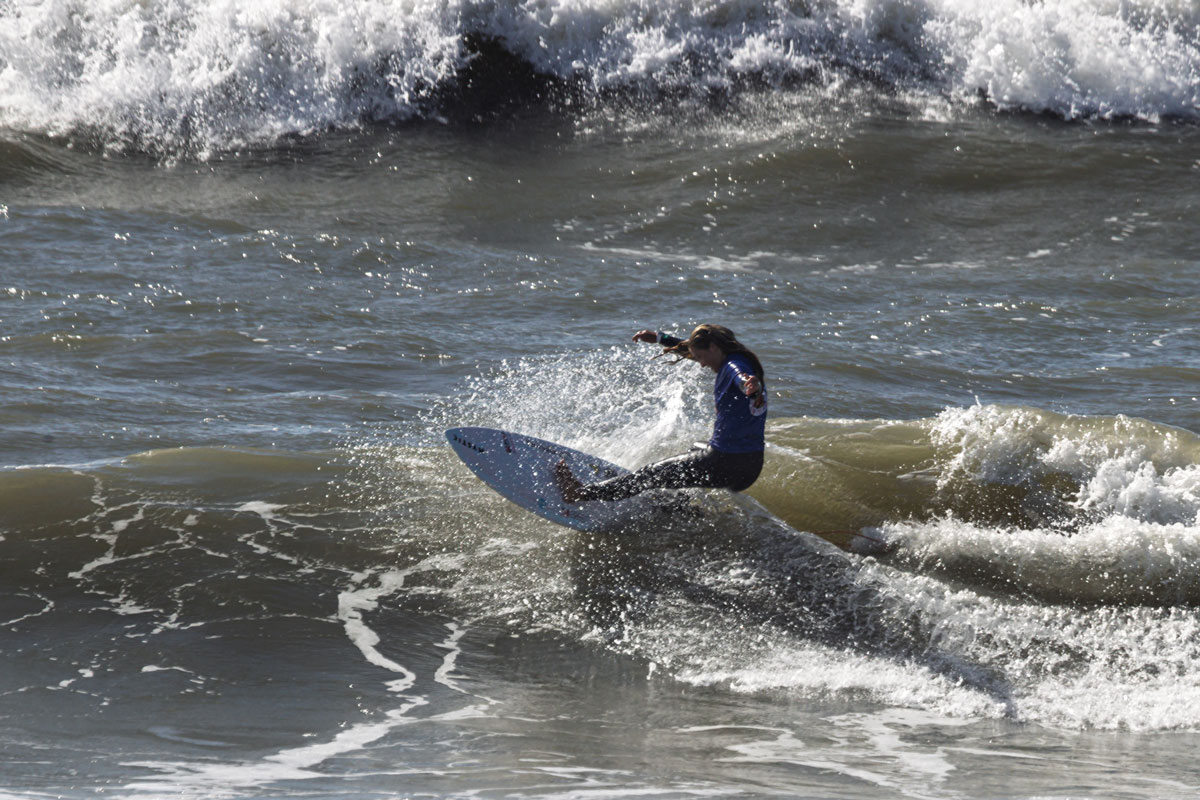
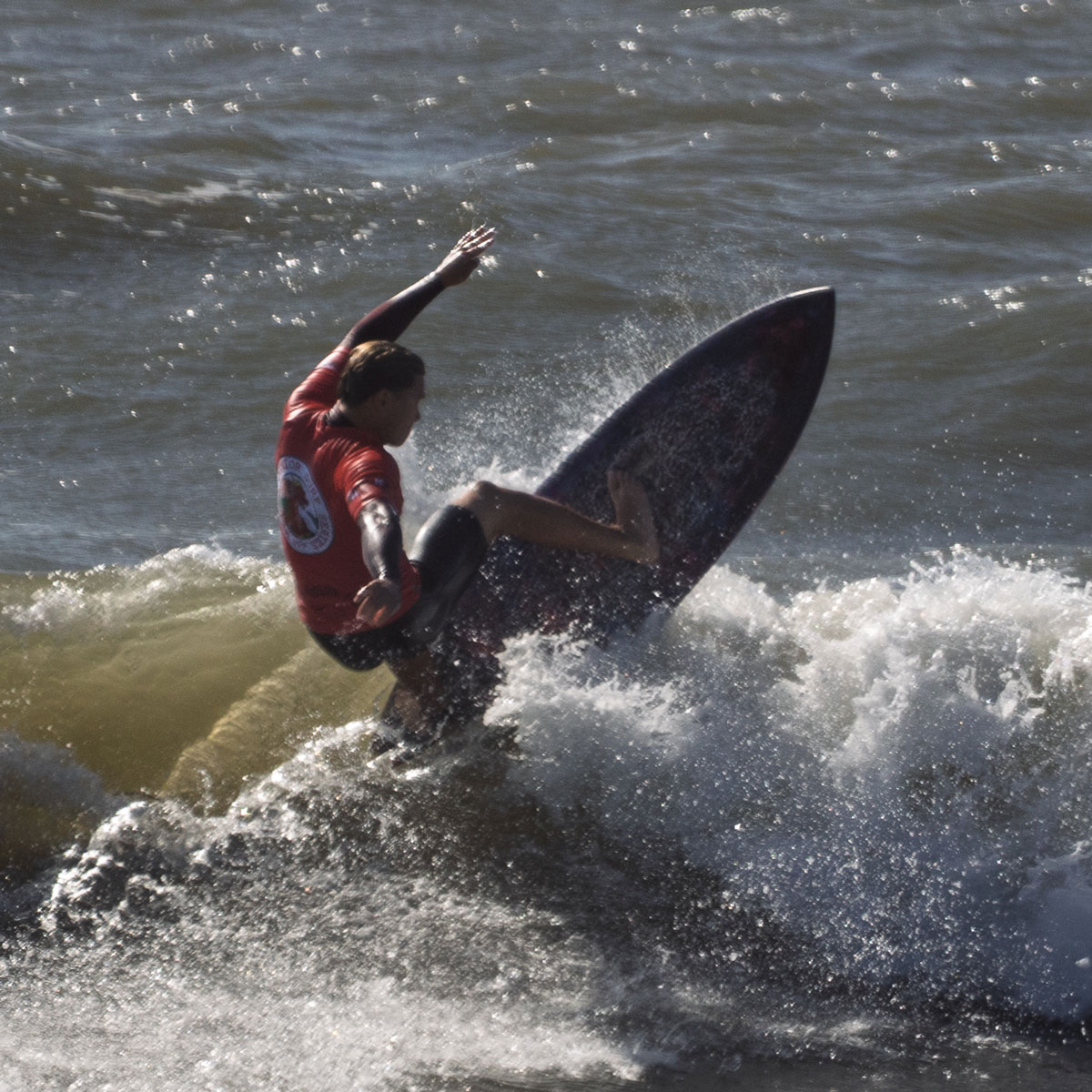
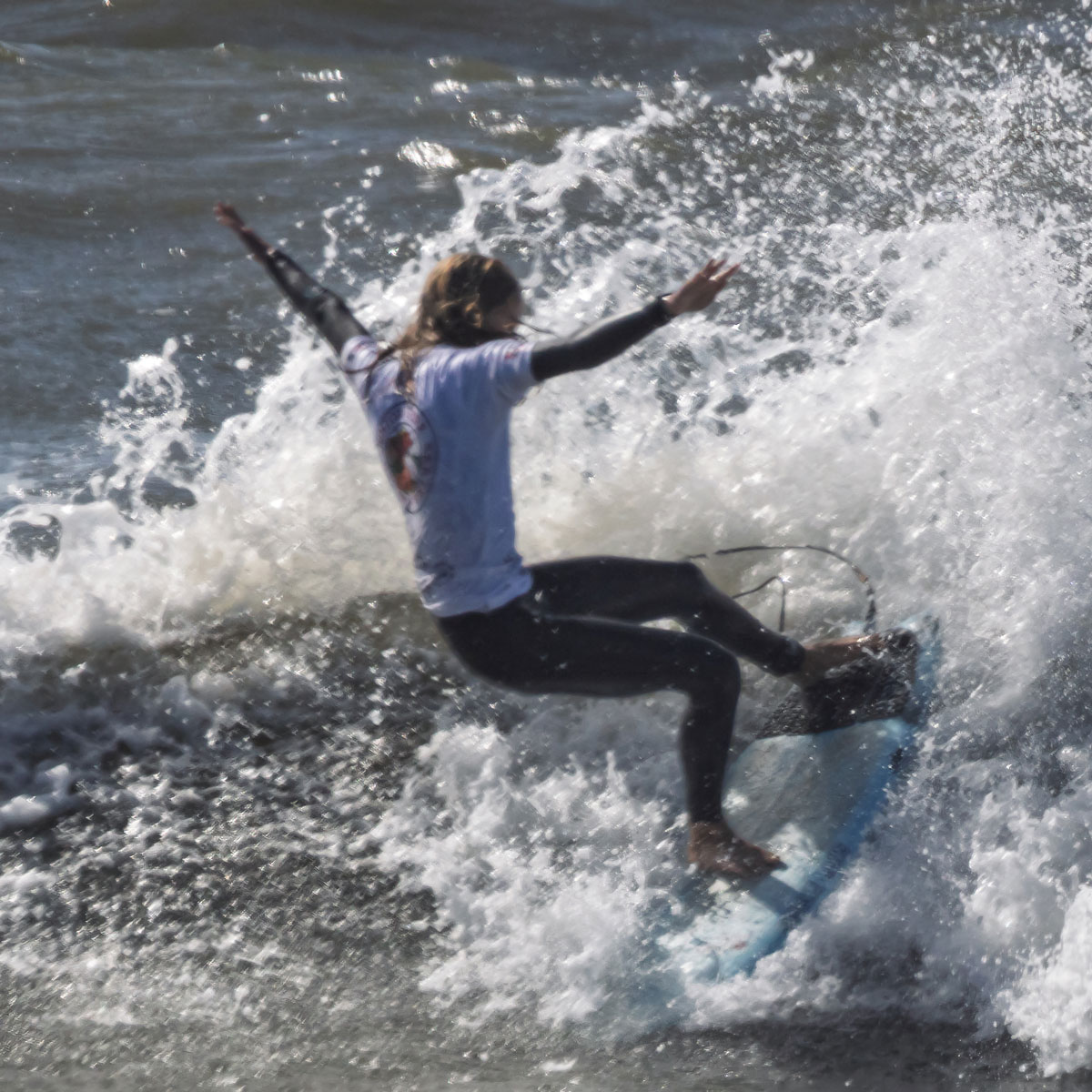
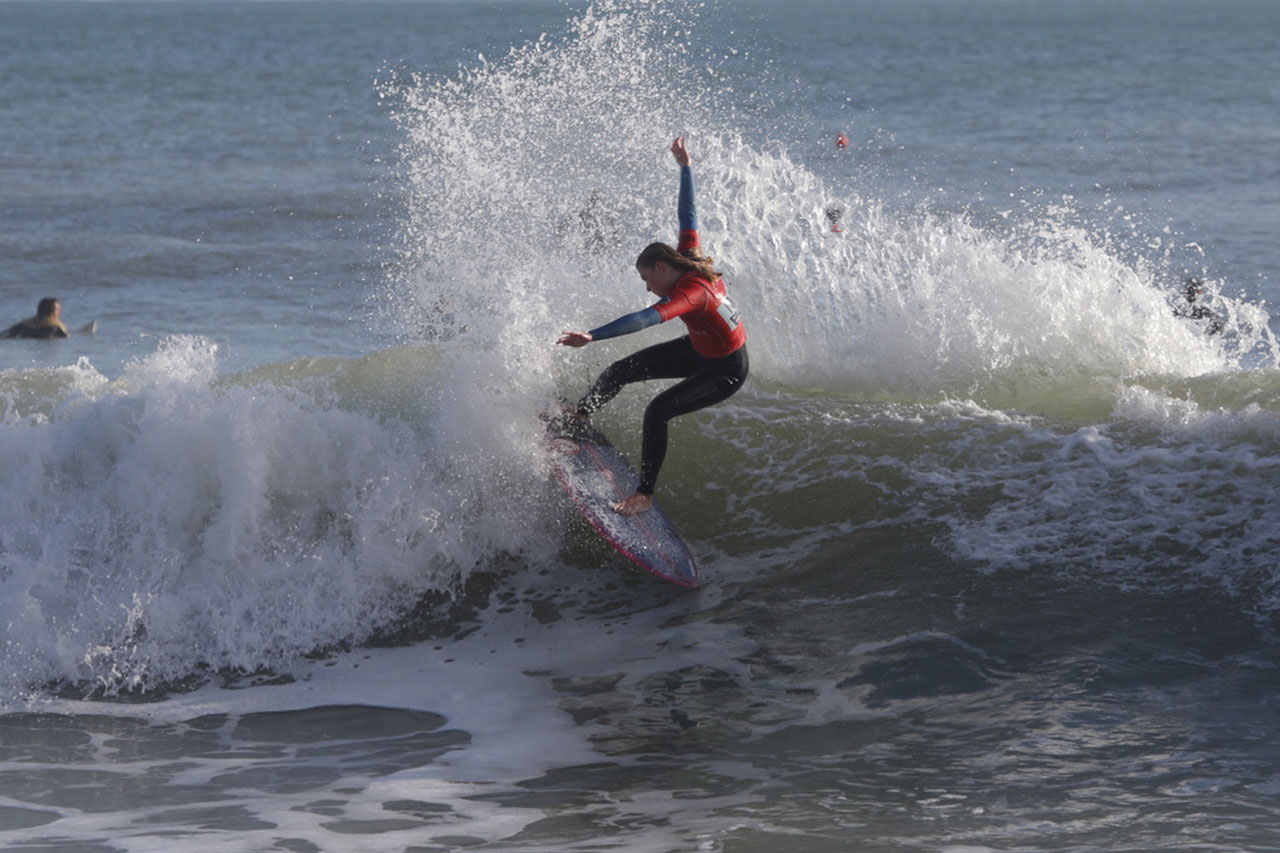
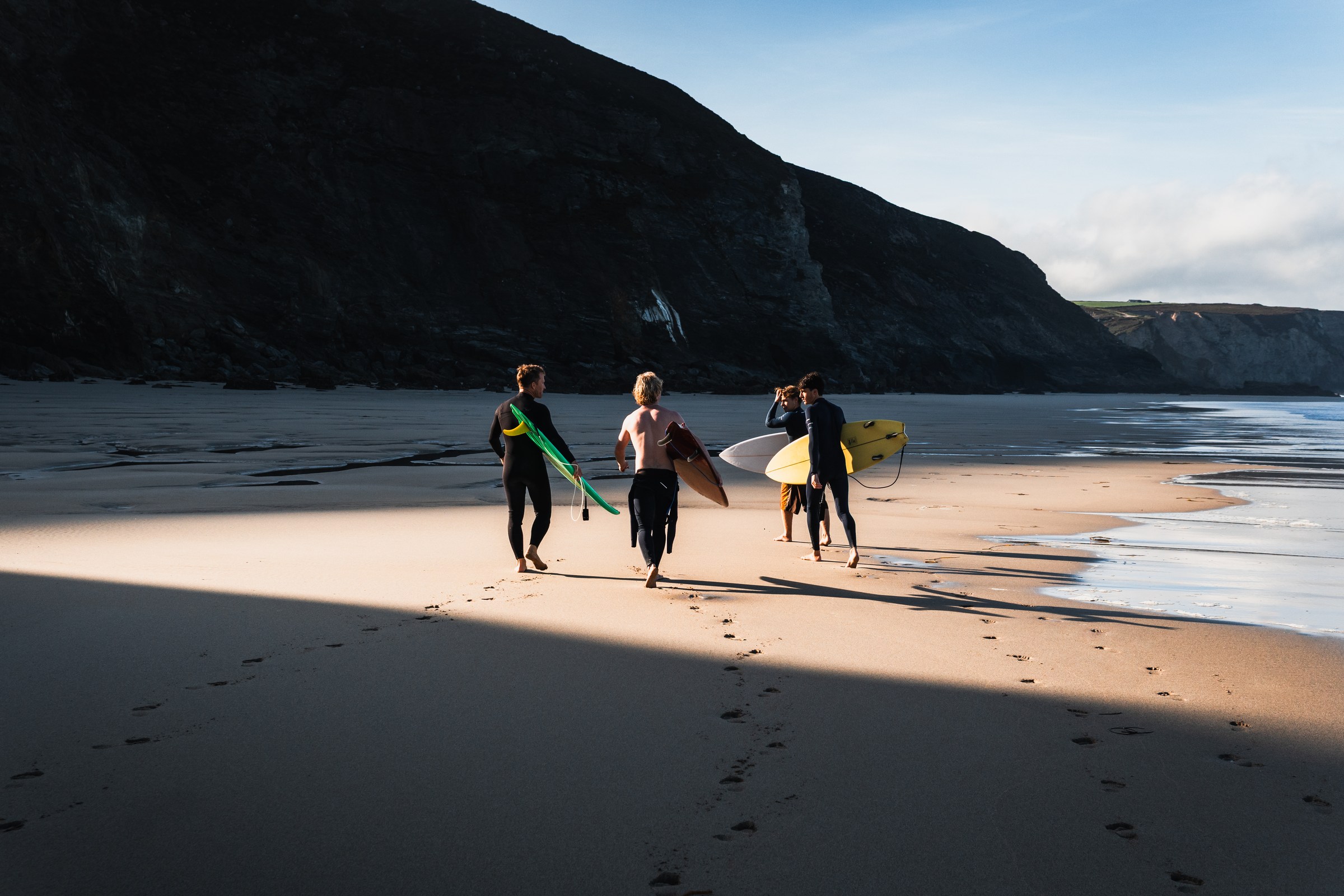
It's been a flat flat summer. September has finally delivered the waves we have been craving for so long. The Carve crew wasted no time, we've been out and about chasing some early morning banks and getting the most of favourable winds.
September Wakes Up
September has a reputation as the month the UK and Ireland wake up. Atlantic low pressure systems begin to send more regular groundswell towards the coast, and the sea is still holding some of its summer warmth. After a flat few months surfers have been drawn to the best spots like moths to a flame.
Reading the Charts
The first sign came on the forecast. It showed a northwest groundswell building to around 2m with a 12 second period. That made it the strongest swell Cornwall had seen since the start of summer. Tuesday through Friday looked best, with offshore or side-offshore winds along the north coast.
Cornwall never gets the full force of a northwest swell. Ireland blocks a good chunk of the energy, so the numbers arrive here smaller than they look further north. A Twelve second period was long enough to carry real push through the water, which the short wind chop on a summer chart never manages. We covered it in more detail in our Cornwall swell forecast. The Carve guide on how to read a surf forecast breaks the numbers down in plain English.
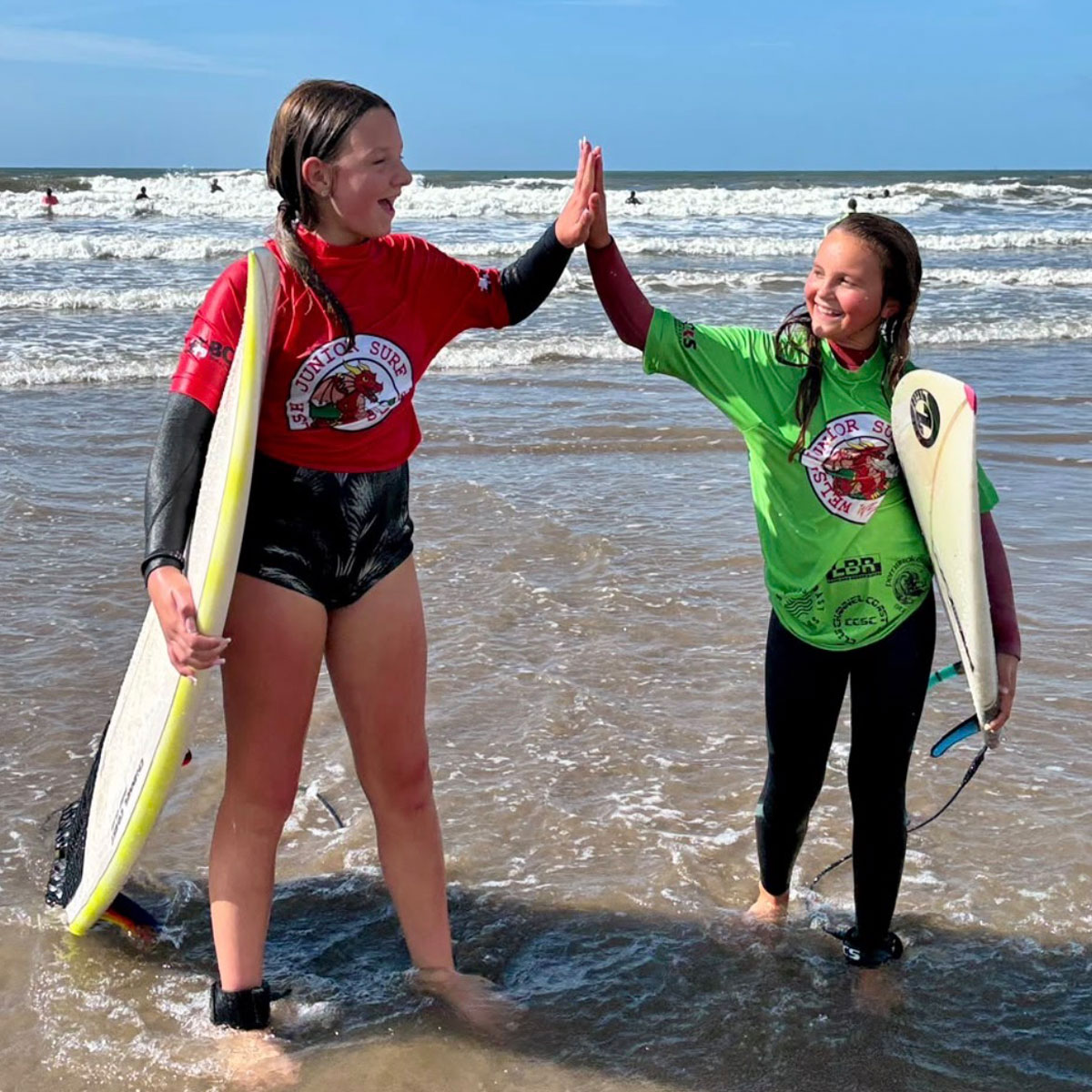
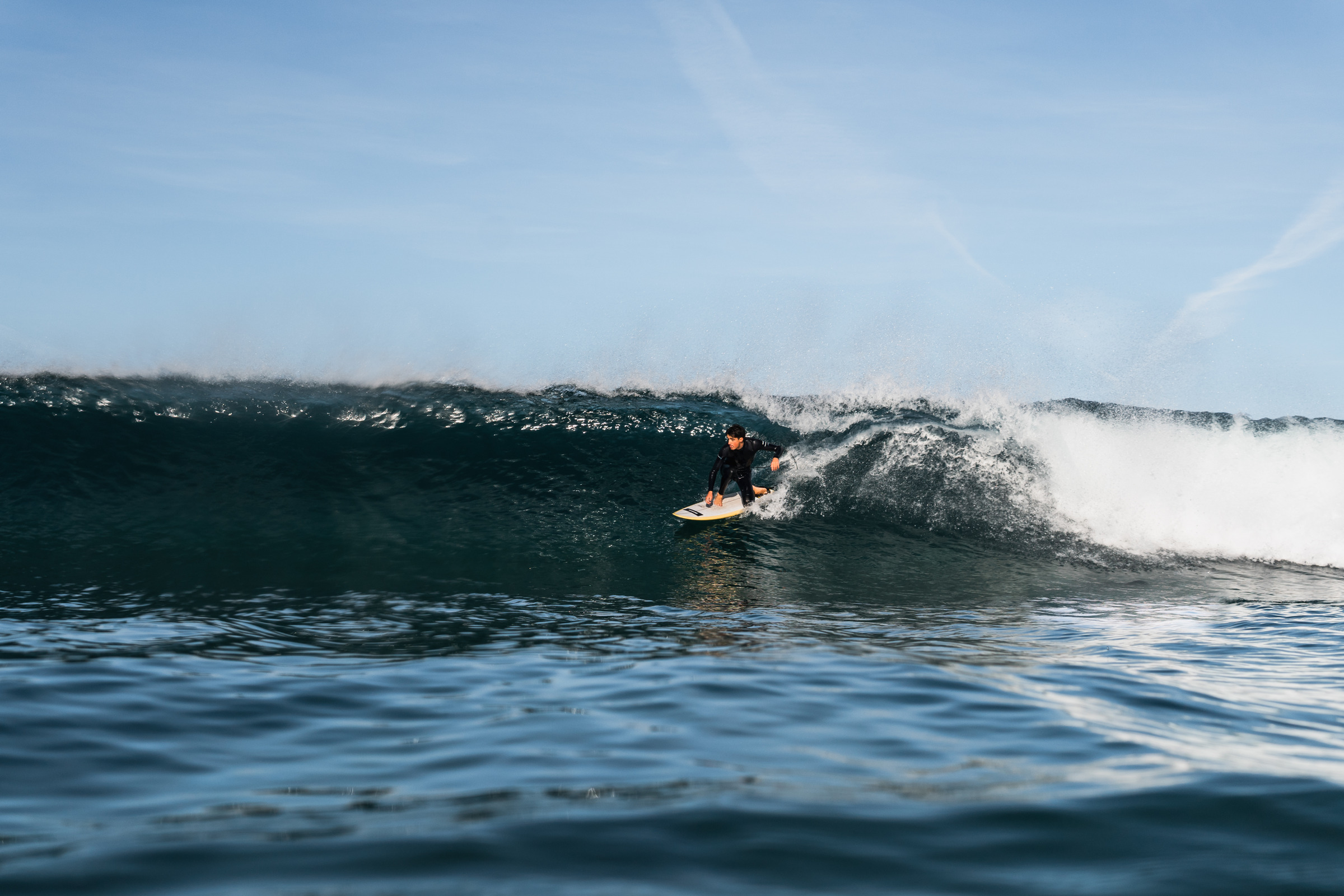
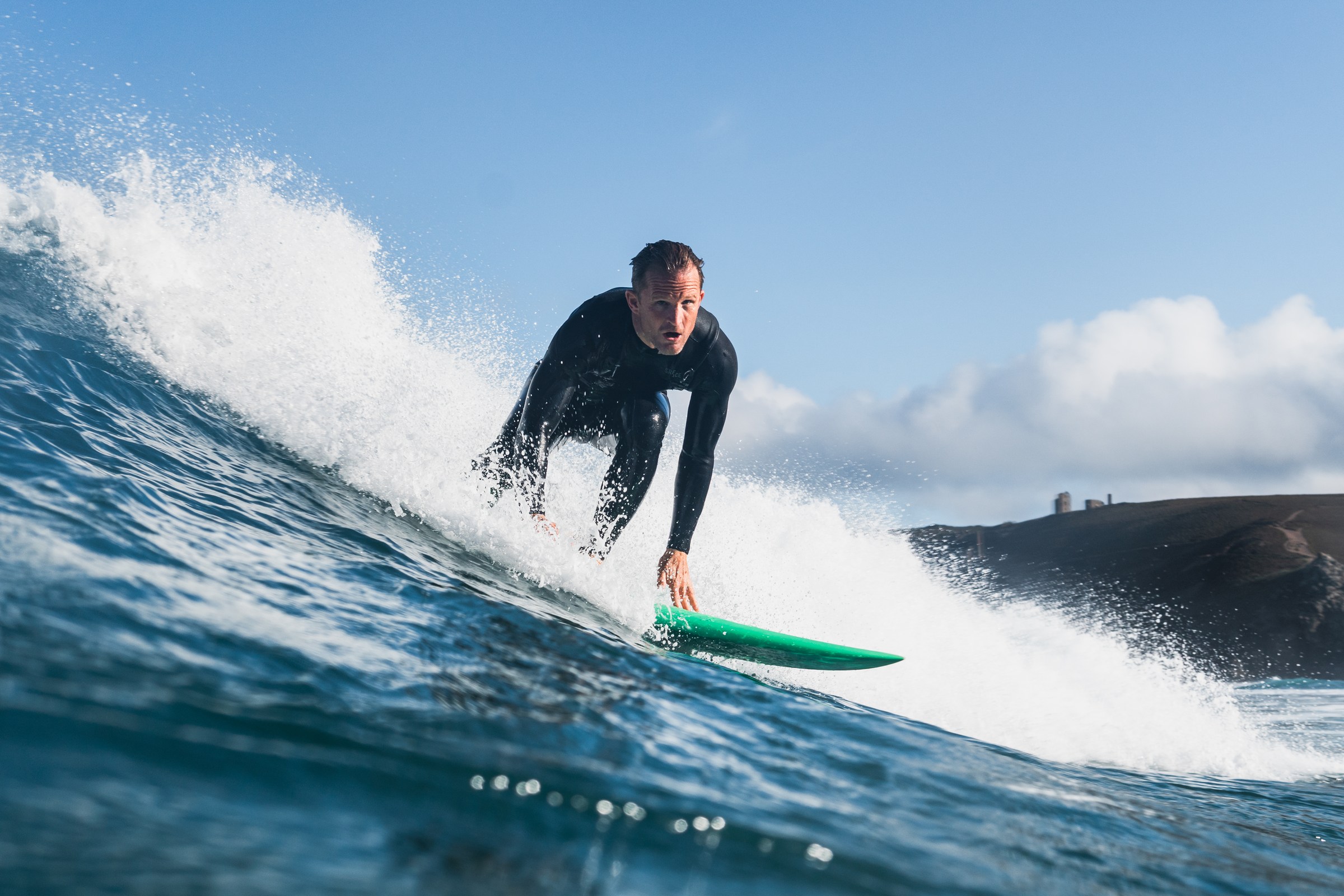
"Checking the charts and seeing something to plan around was a treat in itself. The waves were not all time. Wetting the rails in the late summer sun with a bunch of the younger crew was great."
Joel, Carve crew
Joel
Chasing Wind and Sand
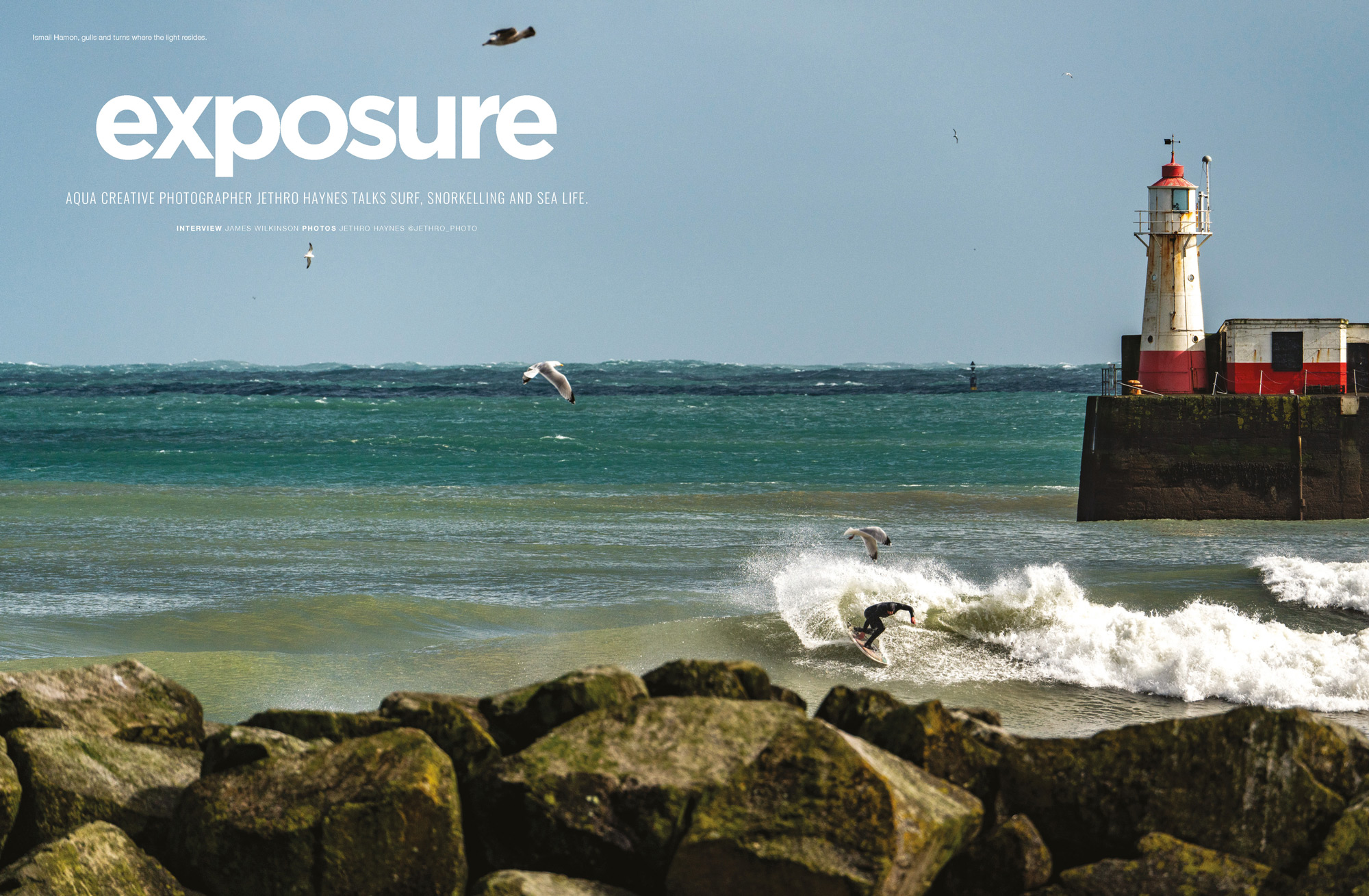
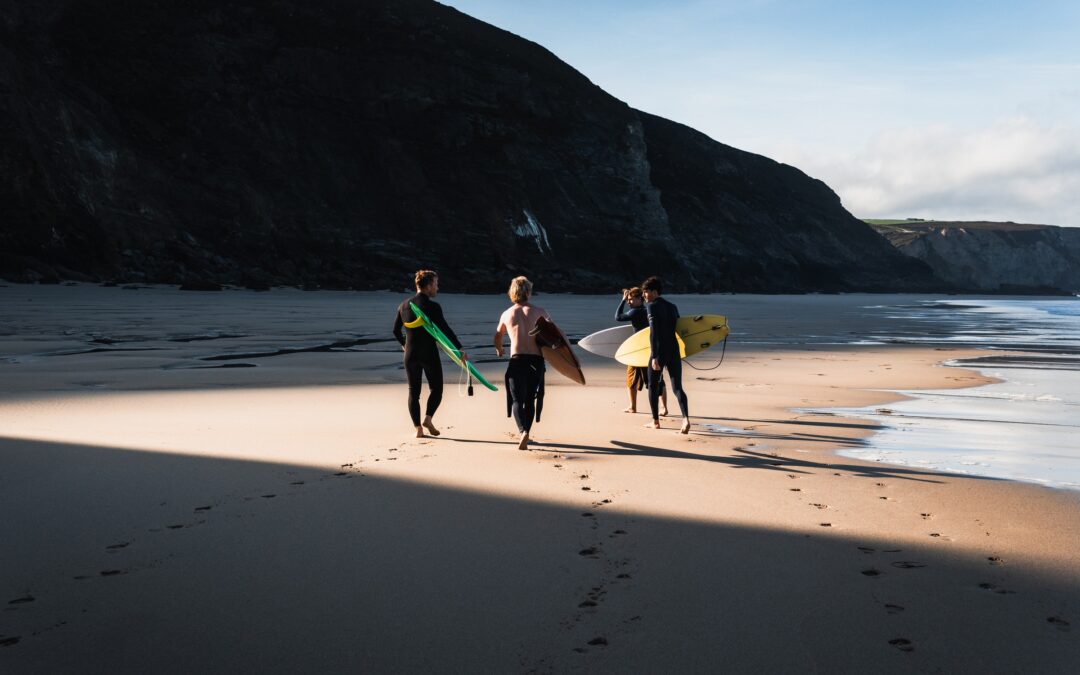
The wind was the deciding factor each morning. When the wind swings mid-swell, it can wreck a bank that was perfect at dawn by mid-morning. The crew kept moving to whichever stretch of coast offered some shelter.
Early starts were the name of the game with light winds around dawn before being slammed by a front of changing conditions.
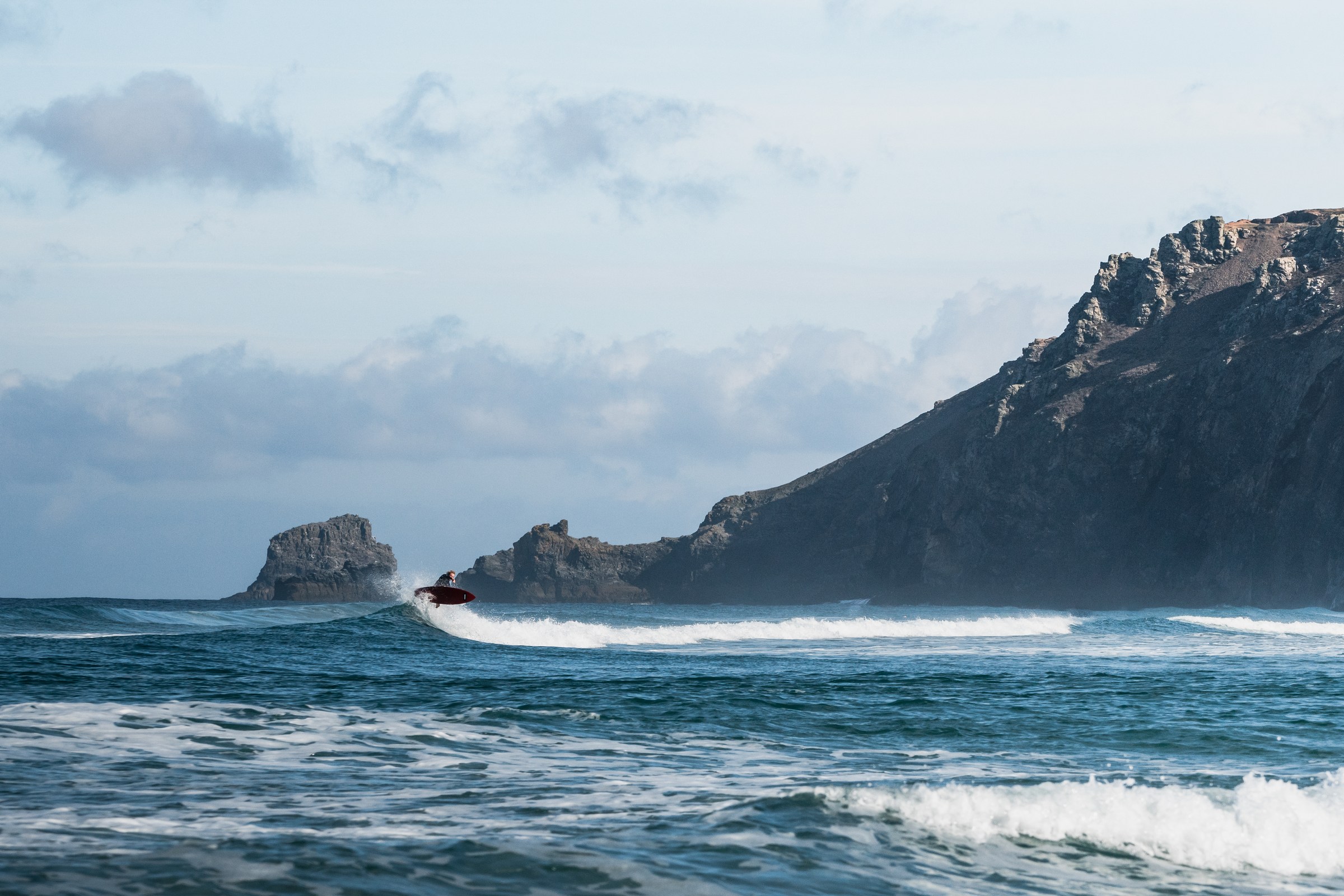
The banks have had a summer to settle. Sandbanks move with the sea. A quiet few months lets the sand sit and pile up before the first proper groundswell starts reshaping it. That can leave beaches with cleaner banks than they had in spring. It is part of why the quiet ones have been worth hunting down.
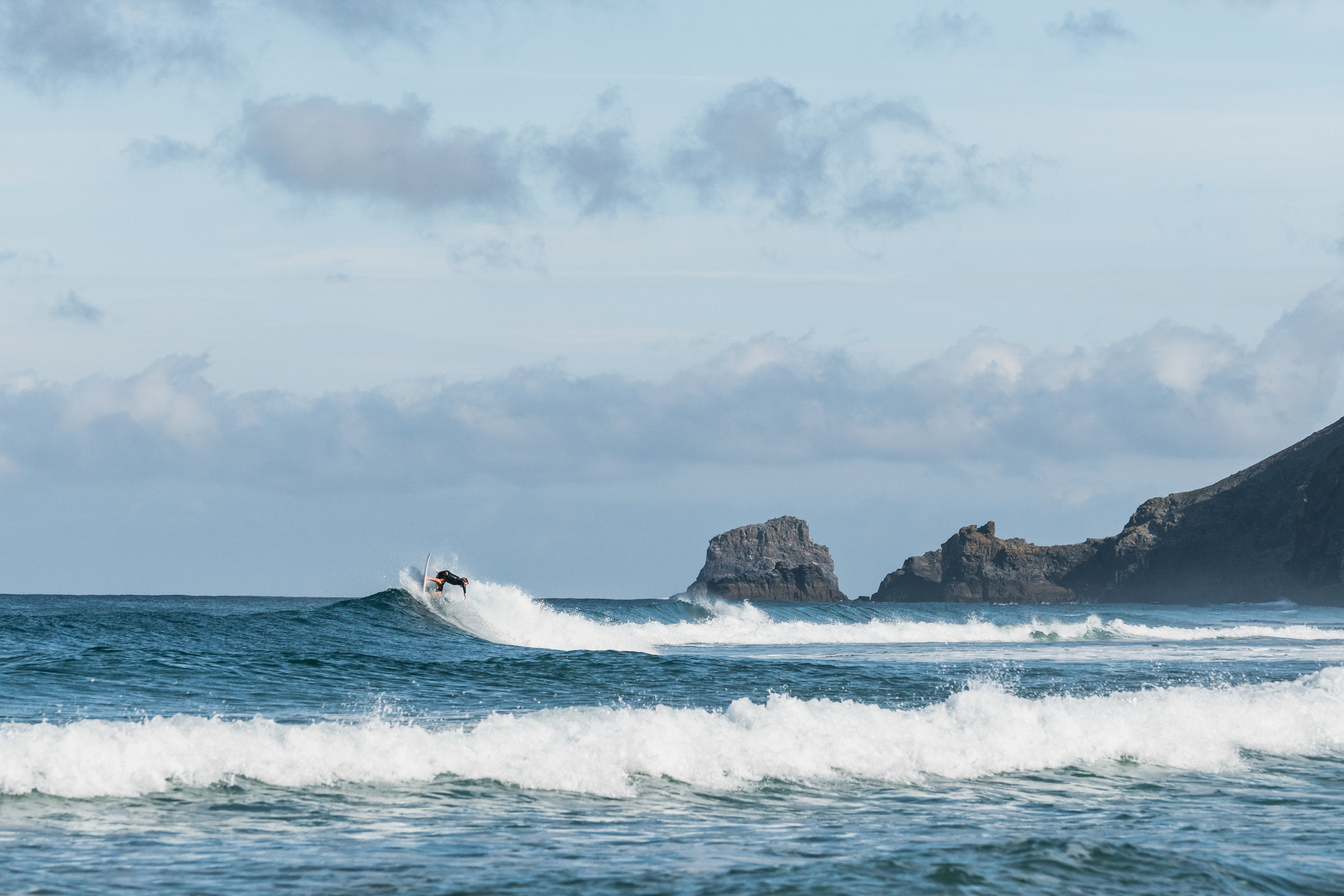
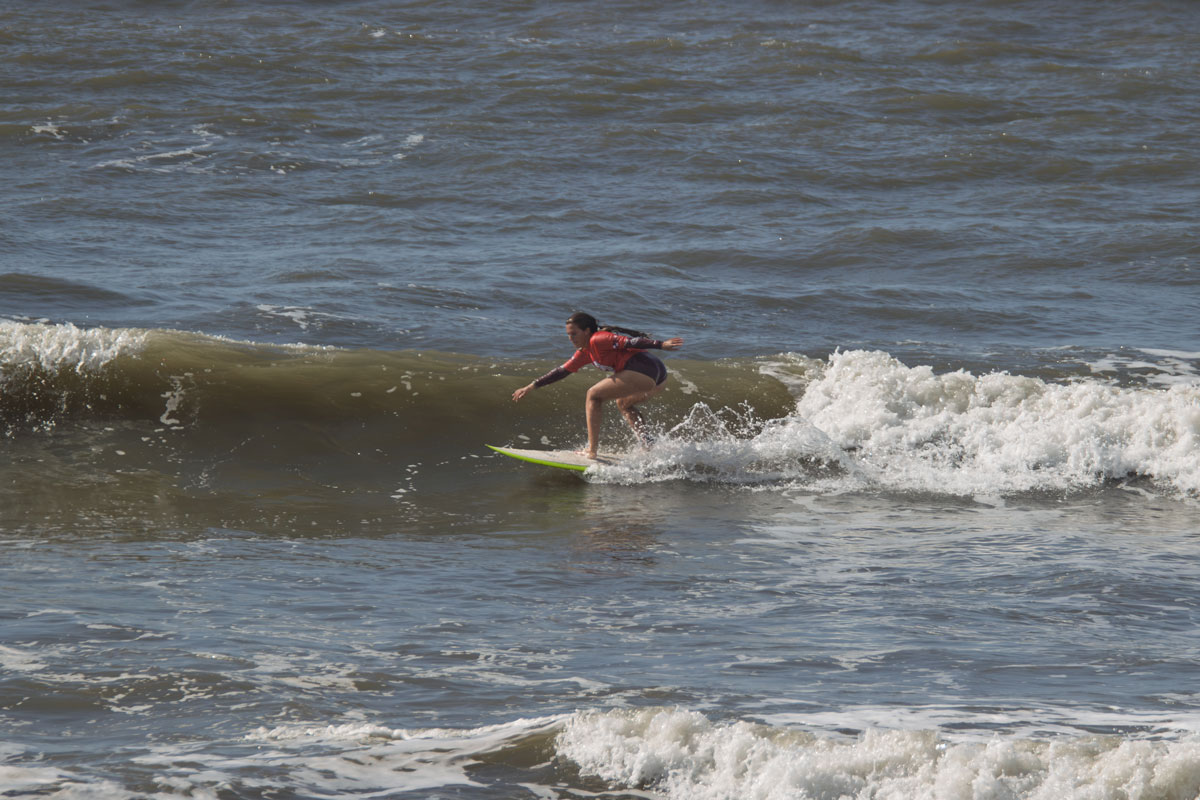
"A long wait ended with some really fun waves. We got lucky and found 'empty-ish' banks, and the weather played its part too."
Finley Donovan, Carve crew
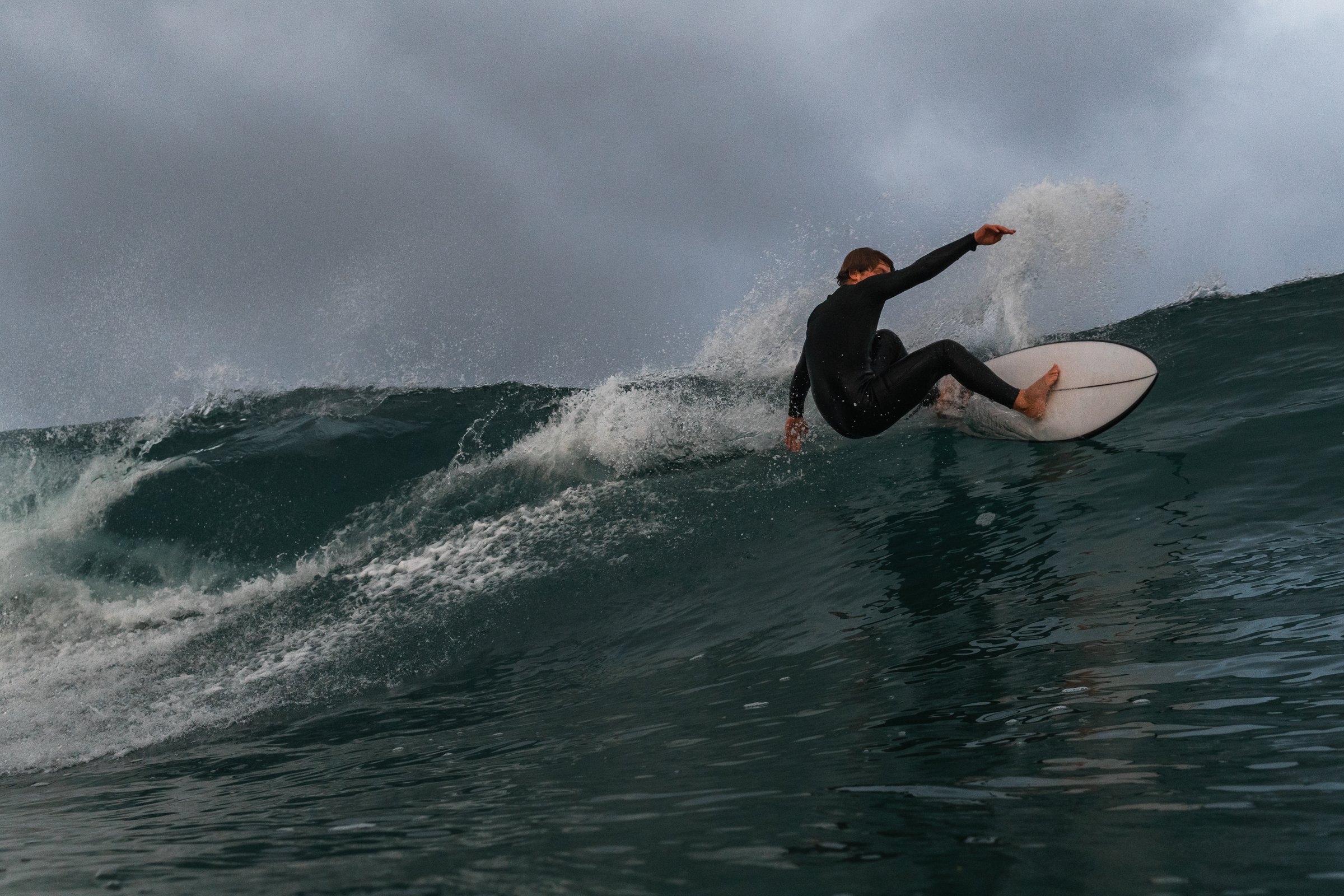
Finley Donovan
A Photographer's Note
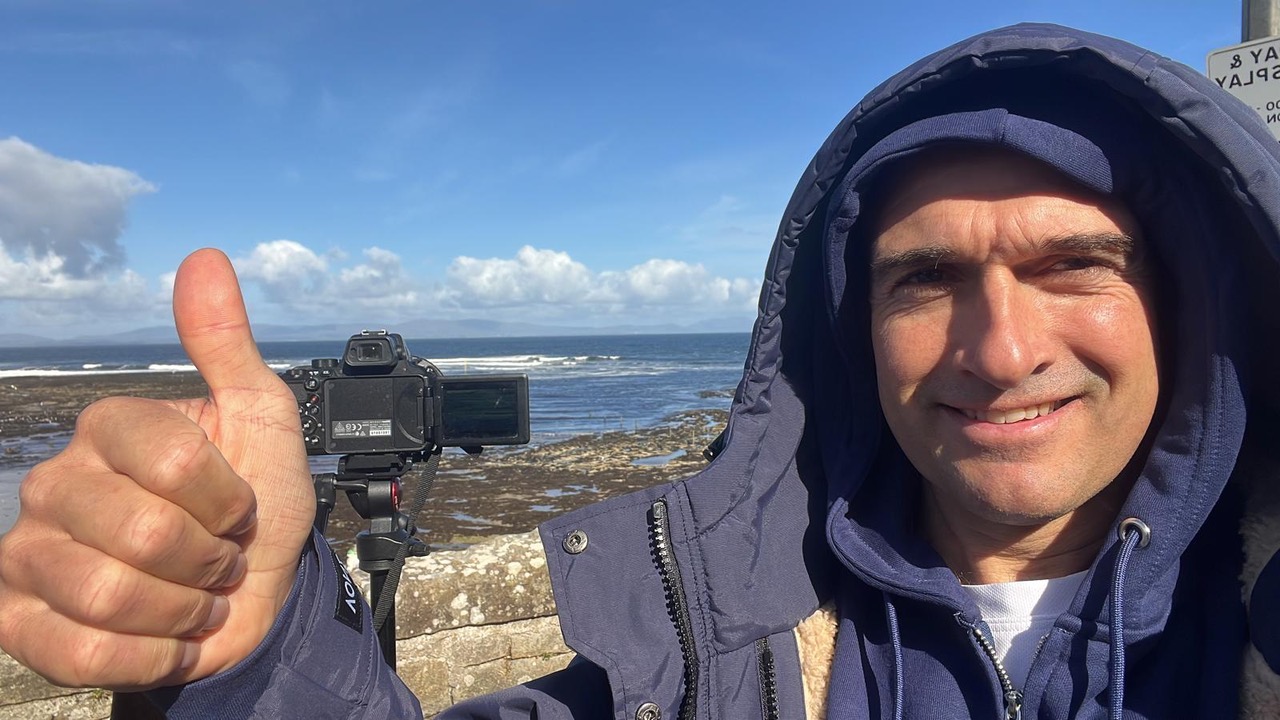
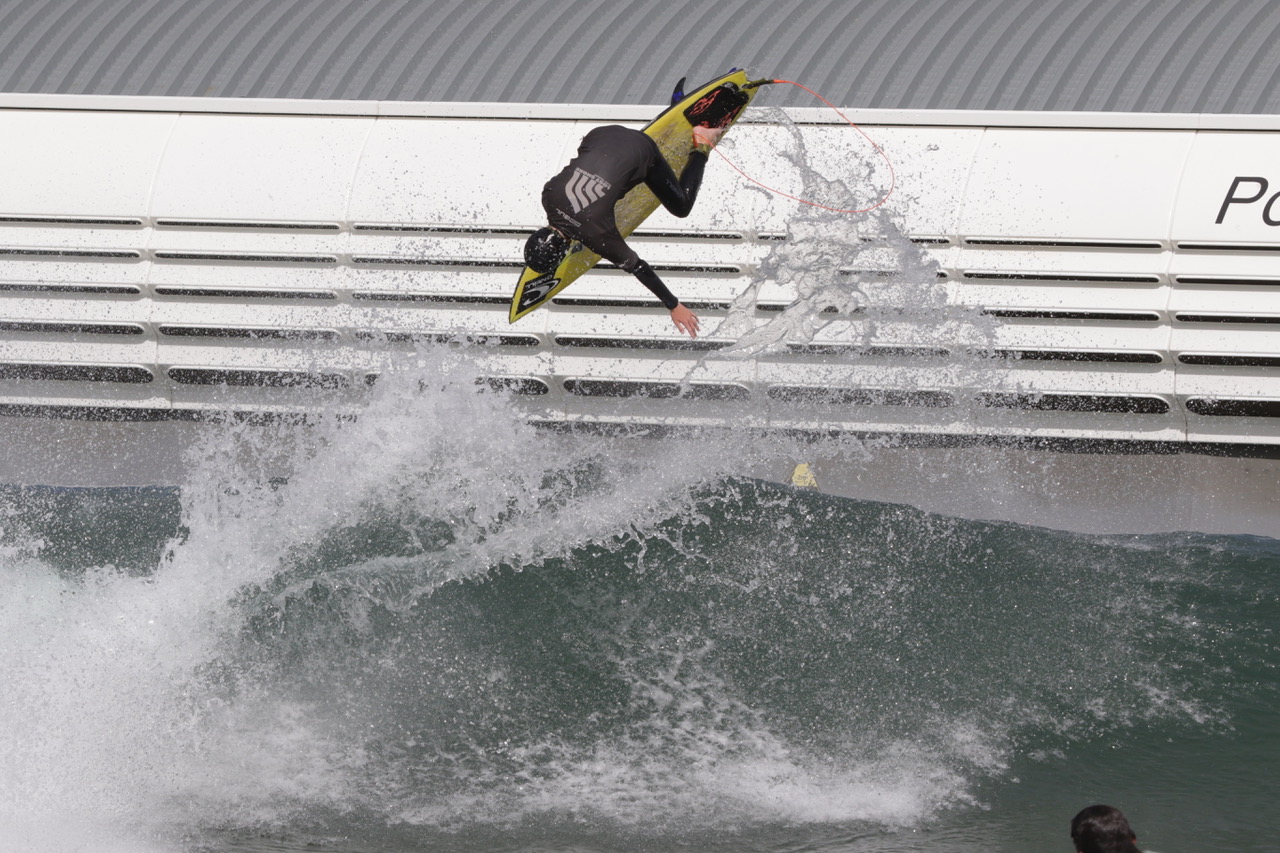
"My housing had other ideas on the first session. It leaked after weeks sat unused, so lesson learned, dust your gear off before the swell turns up. Apart from that, it's been a joy to be back in the water with some decent conditions."
Fyn Caudery, Carve
A water housing earns its keep in sessions like these, so check it before the swell arrives. Take the back off and lift out the o-ring. Wipe it with a lint-free cloth to clear any sand or hair from the seal. Run a fingertip along the groove it sits in, because one grain of grit there can let water in. Refit the o-ring with a thin film of the silicone grease your housing maker recommends, then close the latches evenly.
Then do a dry test. Close the housing with no camera inside and sink it in the bath or a bucket for a few minutes. Watch for bubbles or damp around the seal. If it stays dry, load the camera and go. Do this the night before a session. Once the forecast turns, the sea will not wait while you hunt for a spare o-ring. After each session, rinse the housing in fresh water and let it dry fully before packing it away. Lesson learnt from experience.
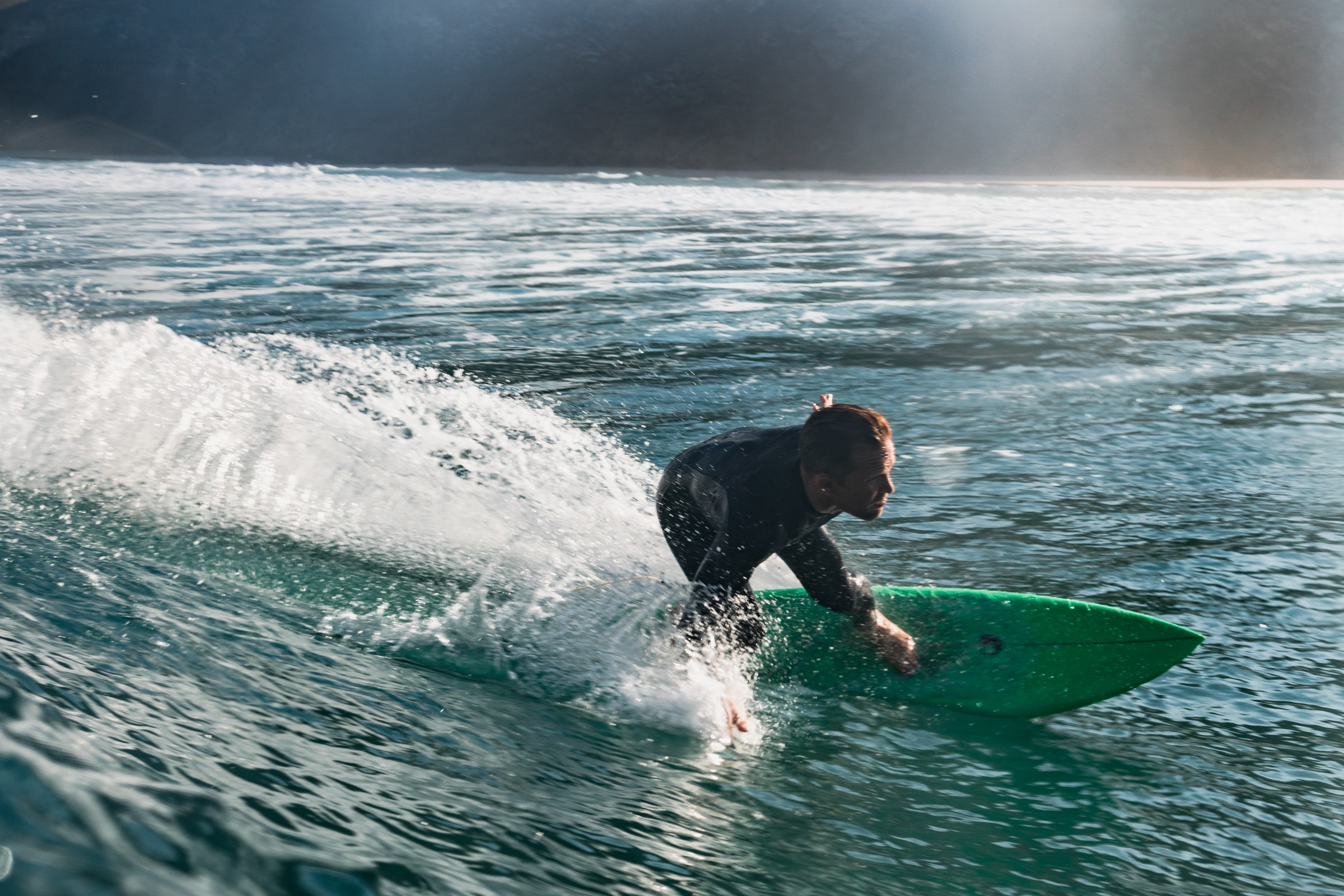
Sundown Sessions
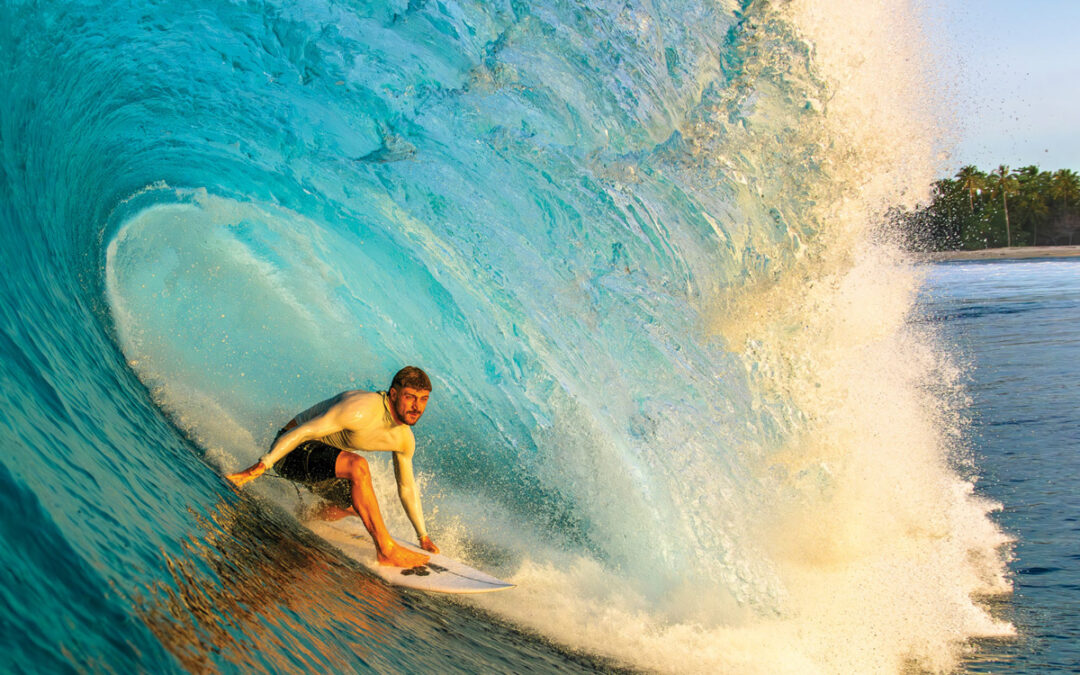
The clocks go back on 25 October, and after that the sun is down before many people finish work. Until then a sundown session is still on the table. The low autumn light sits gold across the water and the lineup thins out as people head home.
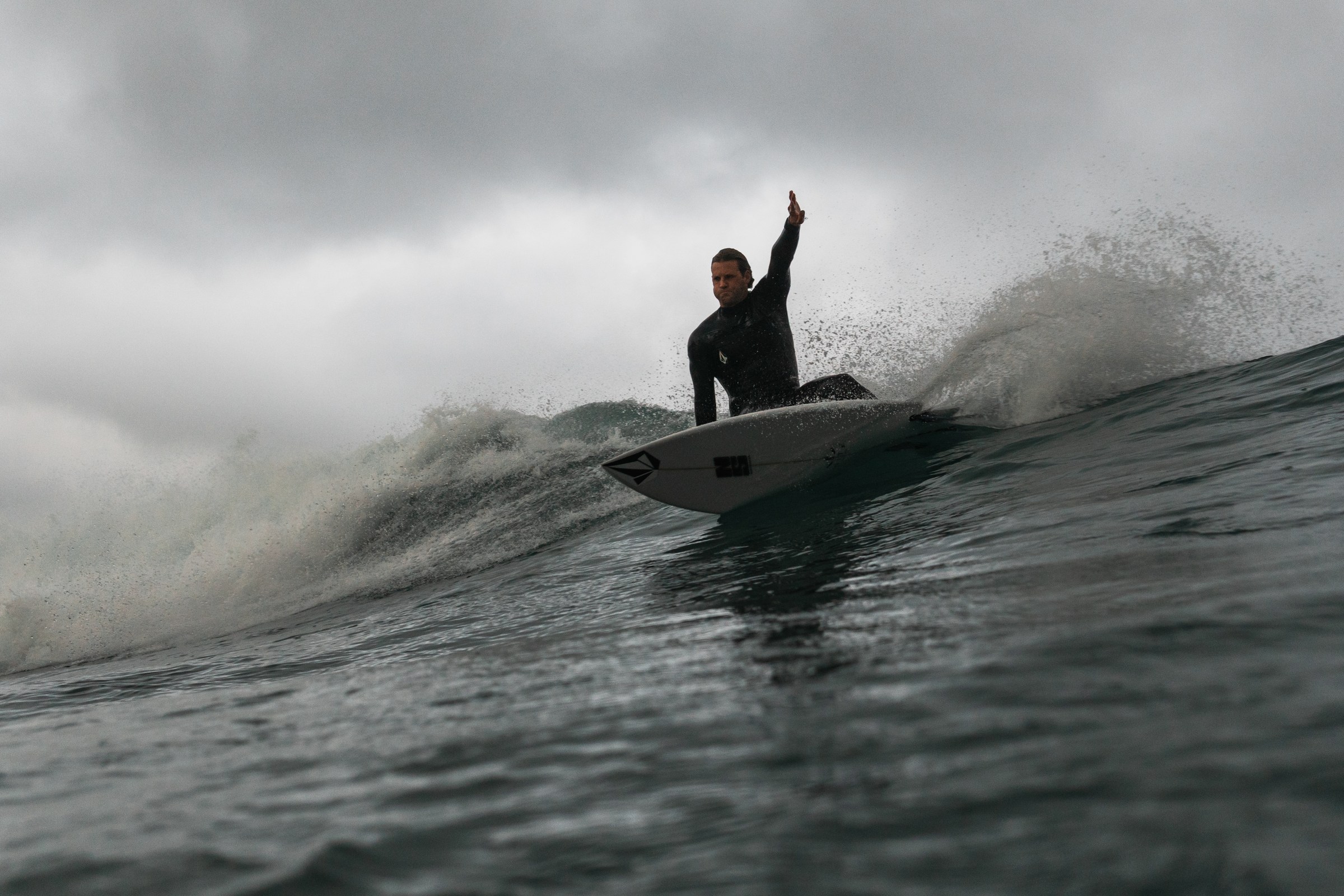
Harry Timson
To the carve audience, hope you've had some waves of your own. Let's make the most of these sundown sessions before the early nights draw in.
Let's hope there is no sequel, The Onshore Strikes Back.
If you scored some of September's waves yourself, tag @carvemag in your photos and clips. We would love to see them.