
Words: Joel Gray Photos: Fyn Caudery unless otherwise stated.
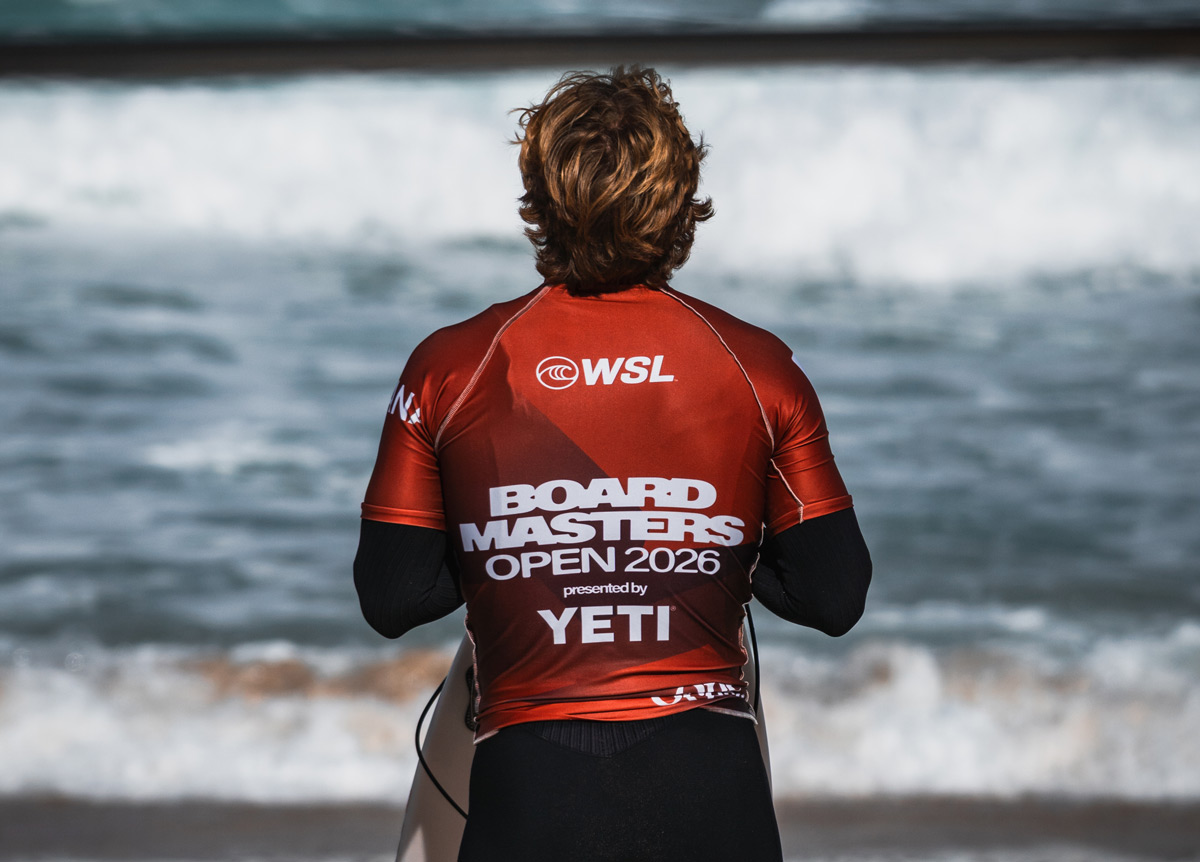
As this year’s Boardmasters disappears into the rearview mirror, a vapour trail of memories and highlights linger in the WSL’s wake. Just prior to the event kicking off on the Tuesday night, a huge number of surfers joined each other, hand in hand, tears and memories openly flowing in a poignant paddle out for recently passed Arran Strong. Arran was a hugely popular member of the current European competitive scene and, for many of the young surfers gathered, it was a big loss of one of their own. It was a strong reminder that this bunch of surfers, gathered from all over Europe, are humans first, surfers second and, somewhere down the line, competitors gathered at Boardmasters. As the competition wrapped, Men’s winner Sam Piter dedicated the win in part to Arran and, for many, the 2026 edition of this event will also be linked to the paddle out and memory of a real surfer’s surfer.
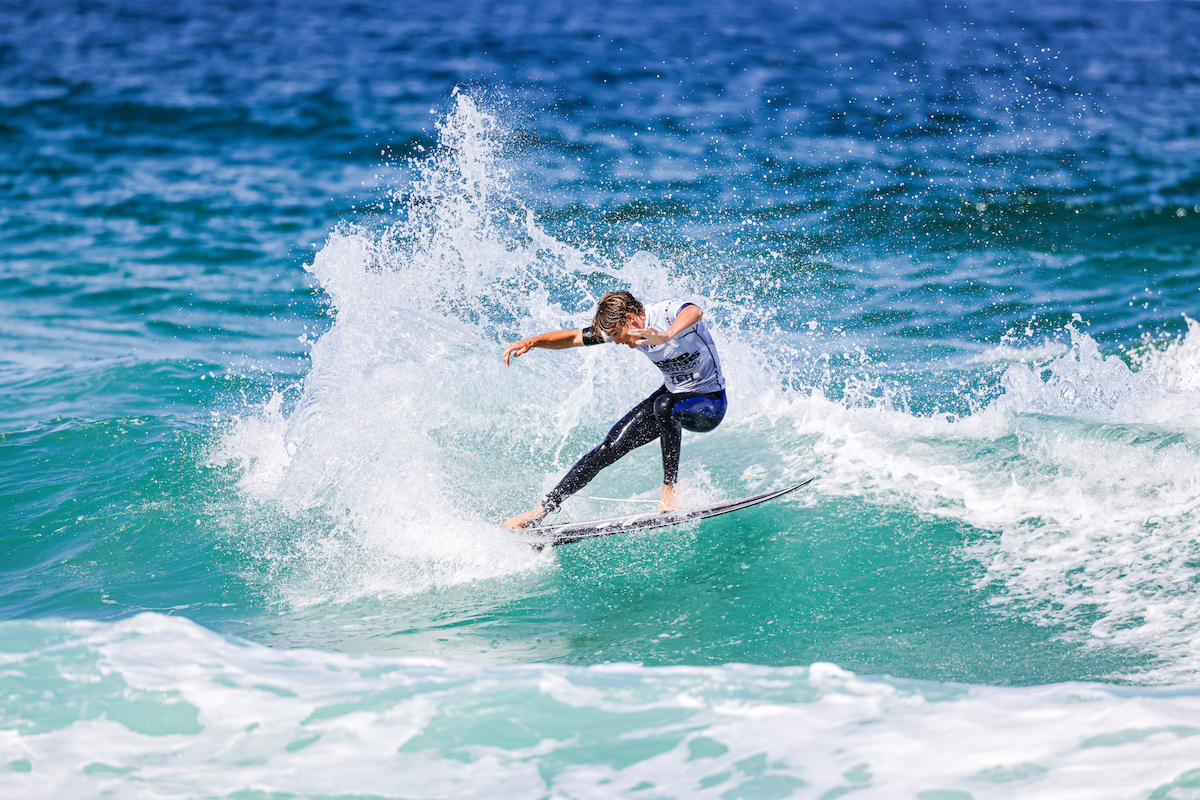
Photo: WSL/Masurel
The show must go on and, rightfully, the key British-focused headline should be Lukas Skinner’s third podium finish in three years. Achingly close to a third straight win, there’s no real heartbreak in losing a nail-biter to aerial aficionado Sam Piter. Sam operates under his peerless coach (and Dad!), Didier Piter’s, technical and tactical excellence and is part of the current exciting Euro force, all with big-picture global aims. Lukas’s runner-up position stands as his best-ever result in terms of points, due to the thankful uplift from YETI, who came in as headline sponsor to bang up the Boardmasters 2K WSL into the YETI Pro 4K. When next year comes around, the story will likely be the same – you don’t win Boardmasters unless you get past Lukas Skinner, and with the way he’s surfing, good luck with that. In summary, despite not winning, Lukas has likely further solidified his standing as truly one of the bright prospects of European surfing.
On the female side, Alys Barton has had the busiest year of any British surfer and came in fresh off the jet from California. After competing in the first two Challenger Series events in South Africa and Huntington, it still feels early days for Alys at that level, but there can be no doubt that operating at that higher level is a key performance developmental driver. It is perhaps not celebrated enough just what an achievement it is that Alys is rocking it as part of the Euro force of fantastic females on the Challenger Series. Many before and now have tried to get to that level – men and women – and she’s the only one who has cracked it. There was not one person who I spoke to pre-event who did not name Alys as the favourite for this event. As it was, the brilliantly positive Alys went out in a bit of a whimper on the south podium in a quarter-final heat watched by few. She didn’t need much of a wave nor much of a score, but she didn’t get either. Her focus now shifts to the six-star QS event in Pantin and then big World Challenger Series events in Brazil and Portugal. Can’t help feeling like a Boardmasters win would have been a helpful travel companion.
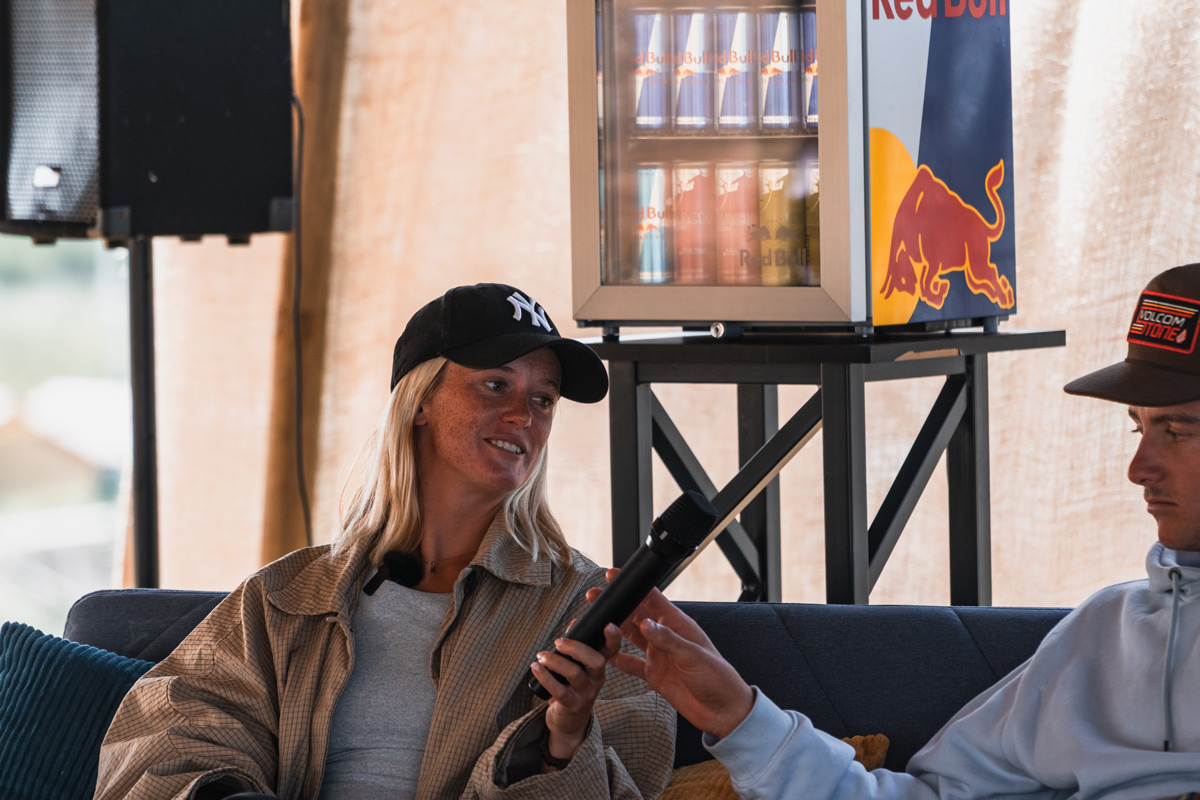
If you scratch away at our highlight performers of Lukas and Alys, then the headline is, at best, a missed opportunity for homegrown British and Irish surfers. Charlotte Mulley went out in the quarters along with Alys. Due to her final in the last Europeans and ticking the criteria that GB Surfing created, Charlotte is the only female recipient of a UK Sport award. With it, and the coaching support, she has no doubt comes pressure and expectation, and a quarter-final here is not a disaster but also not the return on investment KPI that those behind the desks will need.
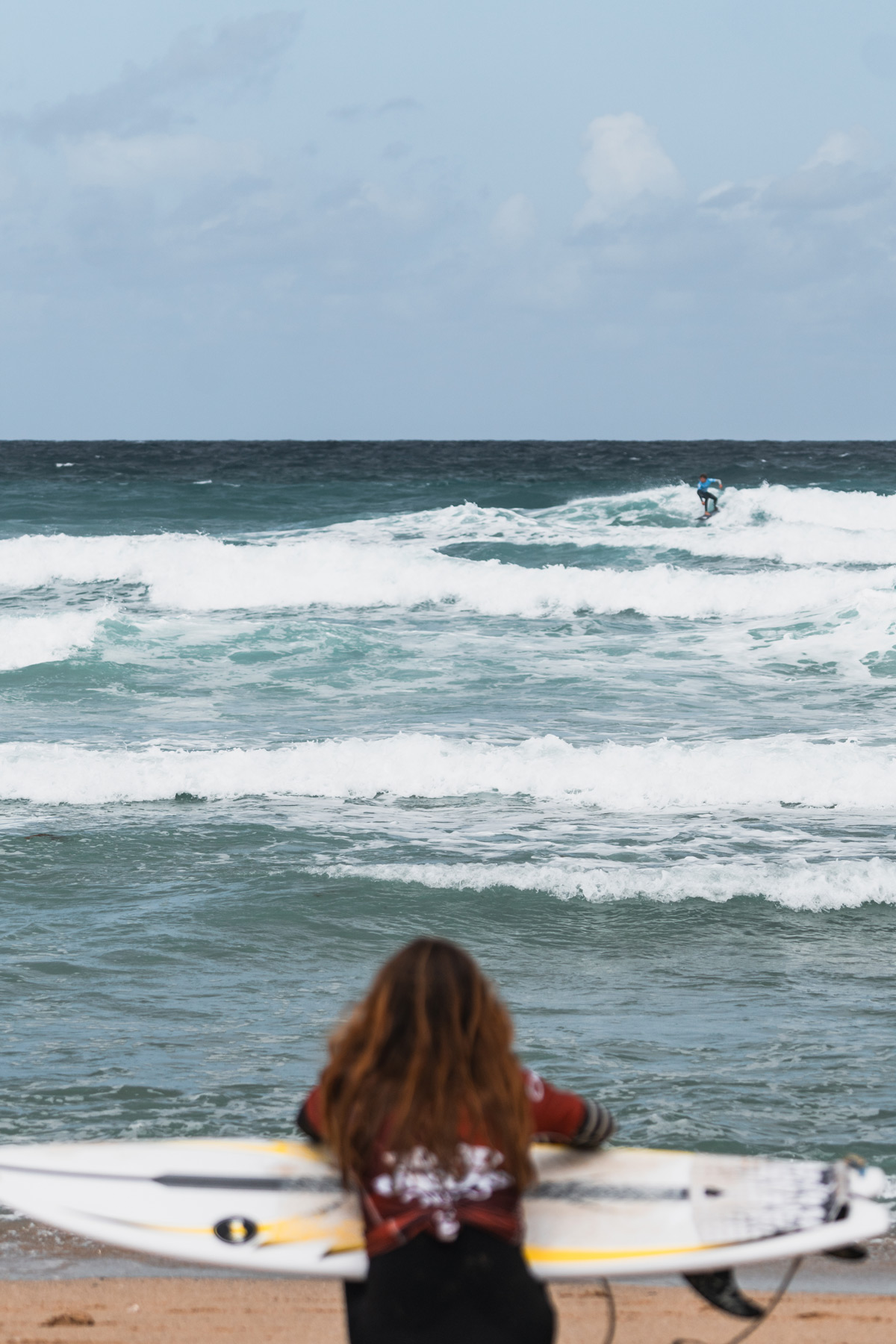
Taking a broader view, results-wise, 2026 Boardmasters was an extremely poor event for British and Irish surfers. By only the second round of the men’s, every single British and Irish surfer aside from Lukas had been bounced out of the event. The double-bank scenario, due to the poor surf forecast, meant the WSL pounded through heats mercilessly, and it was like a machine-gun blast through homegrown talent. On the women’s side, the round of 32 was essentially the same. Casual chat of bad luck and ‘just needing to find a section’ filtered out of the mouths of many, but did this result point to a more worrying trend? After all, this was the biggest British and Irish entry into a WSL event in terms of numbers ever, and aside from three surfers, they all went out early. This in part is explained by a large number of younger juniors doing this event with minimal expectations and as part of some sort of self-developmental experience entry. There’s also no doubt a handful of older dogs that throw their hat into the ring, in part to feel part of it, with the benefit of a free pass to the music festival.
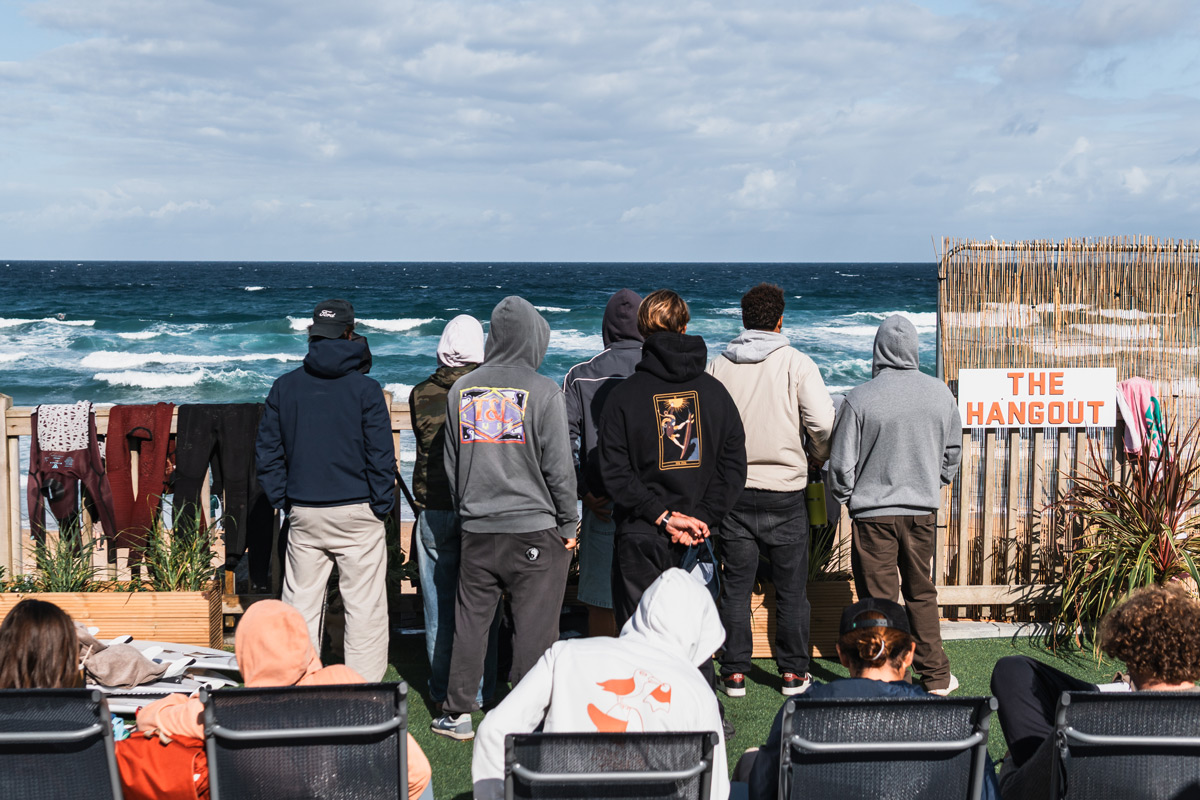
But aside from this, the question remains: why was there a collective results failure? Was it a case of we’re not quite at the same level as the French, Israelis, Spanish and Portuguese? Or is it that the surfing level is there but the competition experience is lacking? It’s a question that many older and younger heads were left pondering, and something we are looking at deep-diving into in the near future. Just what is the current state of British surfing?