
A few days ago, I got a phone call from Joel Gray, an ex-pat Geordie now living in the South West and currently Carve Editor-at-Large
I think the opening exchange of our conversation pretty much sums it all up.
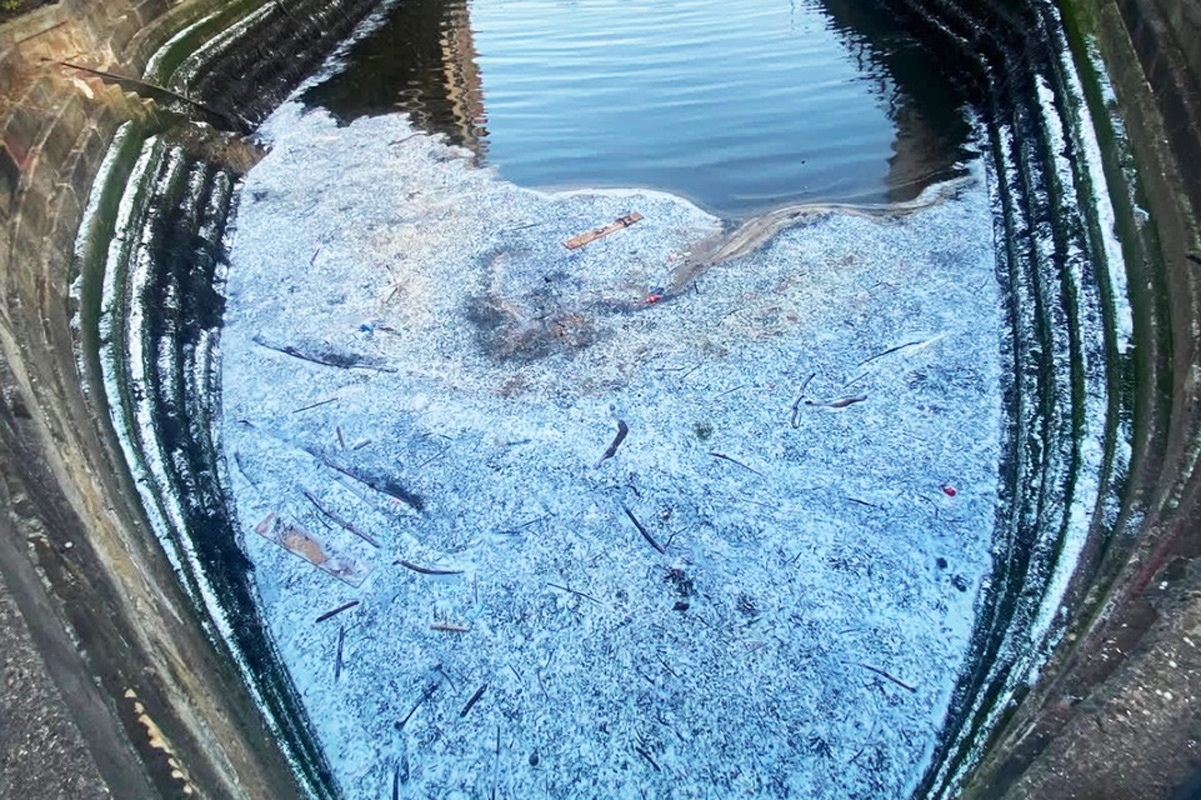
“San, I’ve seen some pictures. What’s the craic with these nurdles?”
“It is so much worse than any picture can show,” I replied.
How it started.
On 19 July, two vessels collided on the River Tyne. Wind Orca, a wind turbine installation vessel, collided with the berthed container ship BG Orange, rupturing containers and the hull of the vessel.
Among the damaged containers was one carrying approximately 25 tonnes — around 1.5 billion — plastic nurdles. And suddenly, they were spilling into the River Tyne.
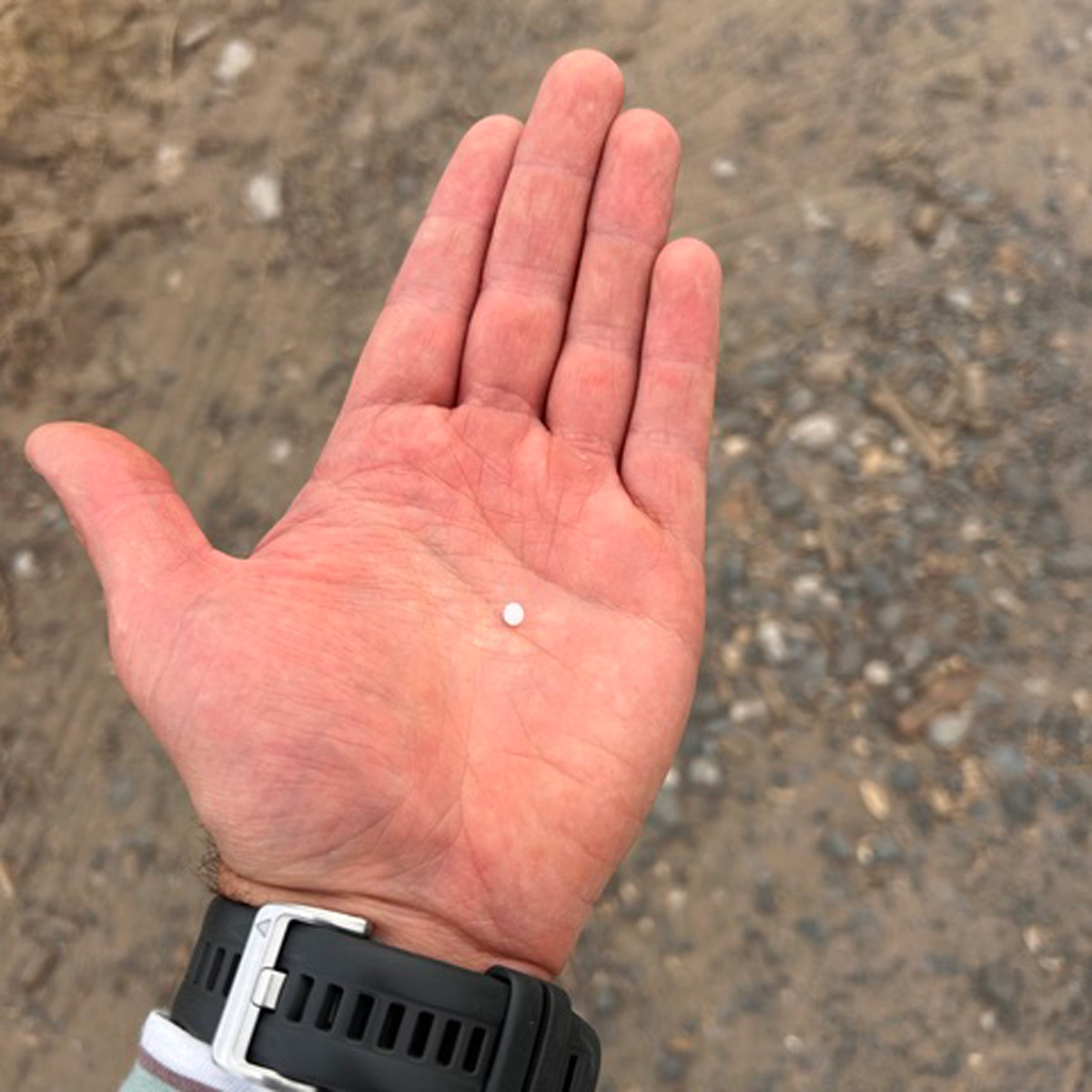
So, what exactly is a nurdle?
A nurdle is a tiny plastic pellet. It is essentially the raw material used to make plastic products. Melted down, these little pellets can be turned into almost anything, from water bottles to furniture.
The fall out.
So now we had billions of them in the Tyne.
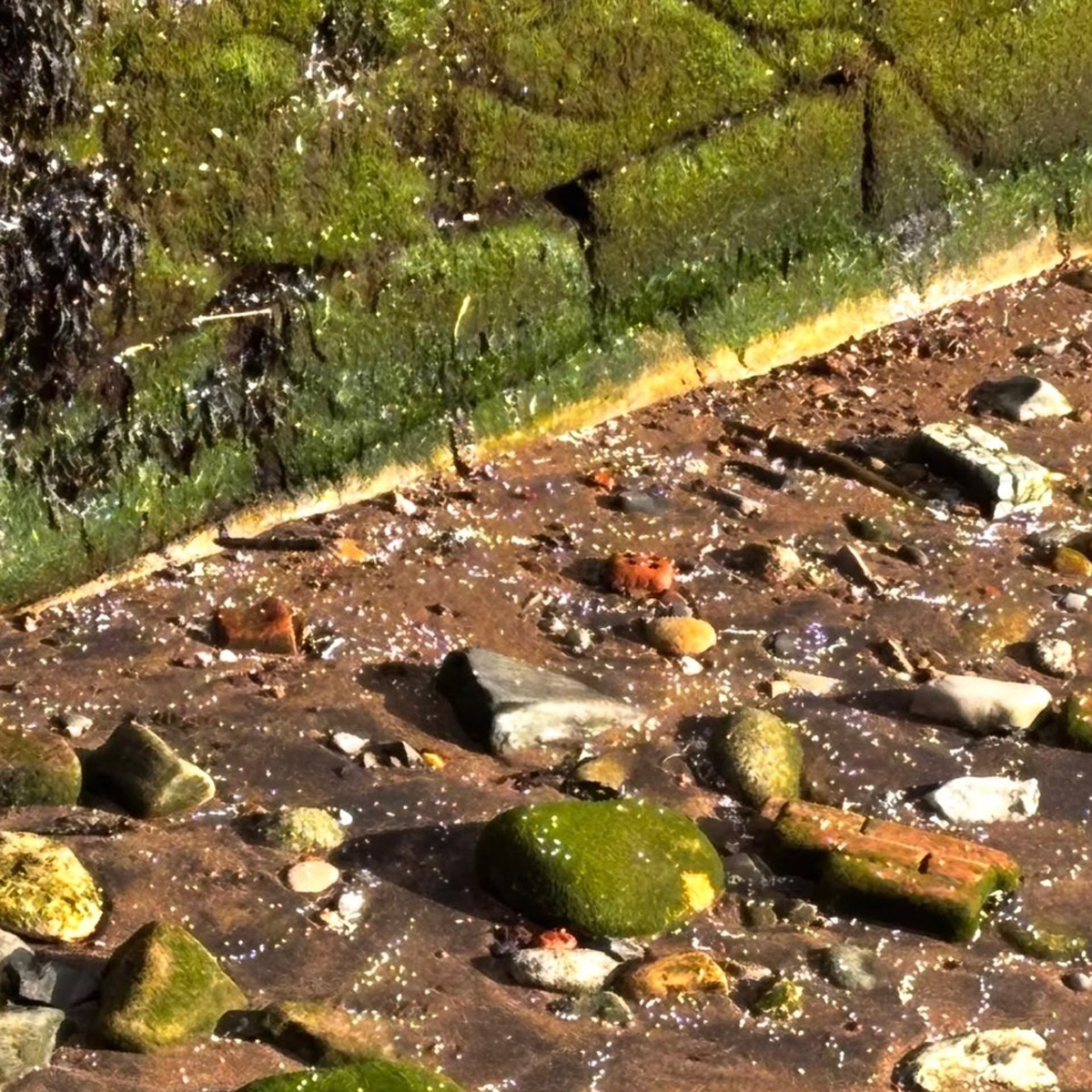
The Tyne is tidal, with water constantly moving in and out every minute of every day. The nurdles began to spread quickly, with huge quantities becoming trapped in inlets, around obstacles and along the river’s edges. Then they made their way out into the North Sea.
Within hours, they were being spotted on our beaches.
Before long, millions of these tiny plastic pellets were scattered across our beautiful coastline.
As I write this, nurdles are being found as far north as Cresswell Beach, around 20 miles from the mouth of the Tyne.
The full extent of the fallout is still unknown, but the environmental impact could be devastating. You can already see seabirds pecking through seaweed and along beaches covered in nurdles. I can only imagine the impact this will have on marine life and fish.
There is also the obvious danger that these tiny pellets look like food. To a bird or fish, they could easily be mistaken for something edible.
The blame game
This has been a rapidly evolving incident, and there have been what appear to be huge failings at almost every level.
There has been a failure to recognise the scale of the damage quickly enough, and a painfully slow response to cleaning it up by councils and contractors working on the Tyne despite the fact that every passing tide was spreading the nurdles further.
The Council were still using a beach rake used for picking up large bits of beach rubbish but it was effectively ploughing the beach, l pushing plastic deeper into the sand rather than removing it.
Volunteers were also initially being told not to touch the nurdles because they could be dangerous.
So many questions have been raised about the response from the councils, environmental agencies and the Port of Tyne. What is being done? Why has the response been so slow? And what is being done to contain the spill and respond at the scale required?
Like most of the responses we’ve received, we often feel fobbed off. But we keep following up, we do our due diligence, and we keep pushing on.
And, of course, there is the fundamental question of responsibility: who is ultimately accountable for the initial release, and why wasn’t a large-scale industrial clean-up operation put in place immediately?
The good
When this first happened, nobody really knew how to begin cleaning millions of tiny plastic pellets from our coastline.
But people got out there.
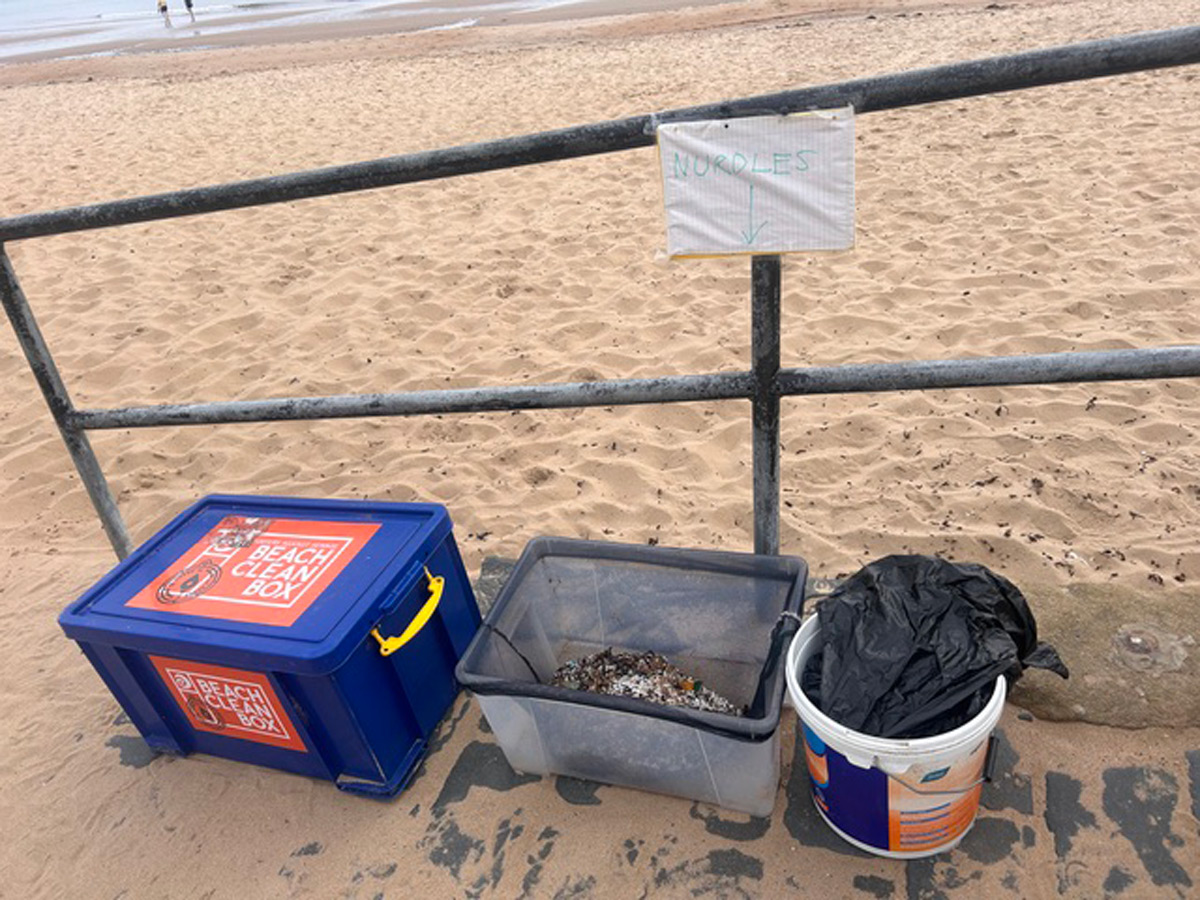
They started experimenting, sharing ideas and figuring out which tools worked best. Once the jungle drums started beating, the response from our community was absolutely incredible.
The brilliant people at the charity Nurdle have been there with machines to speed up the operation and hundreds and hundreds of people have come together, working around the tides and physically picking up these tiny pellets with nets, dustpans, brushes and sieves.
I honestly couldn’t be prouder of the community we live in.
To see so many people care so deeply about our local environment — and then actually get out there and do something about it — has been incredibly inspiring.
This is our coastline. These are our beaches. And people have shown that they are willing to fight for them.
What now?
The job is by no means finished.
And it is becoming increasingly clear that we cannot rely solely on the public sector or the institutions involved to clean this up. The scale of the problem is simply too big.
If you’re local, you can get involved in one of the many community clean-ups taking place across the area. Check the website and local WhatsApp groups to find out where and how you can help. At the moment, many of the clean-ups are being organised around the tides.
You can also sign the petition calling for the UK to mandate zero plastic pellet loss and help keep this issue firmly on the national agenda.
Write to your MP. Write to your councillor. Write to the Mayor.
We are all knackered from this but please.
Keep asking questions.
Keep talking about it.
Keep showing up.
All the information you need, including details of clean-ups, petitions and templates for contacting your representatives, can be found below.