FIRING KIRRA – Conner and Parker Coffin
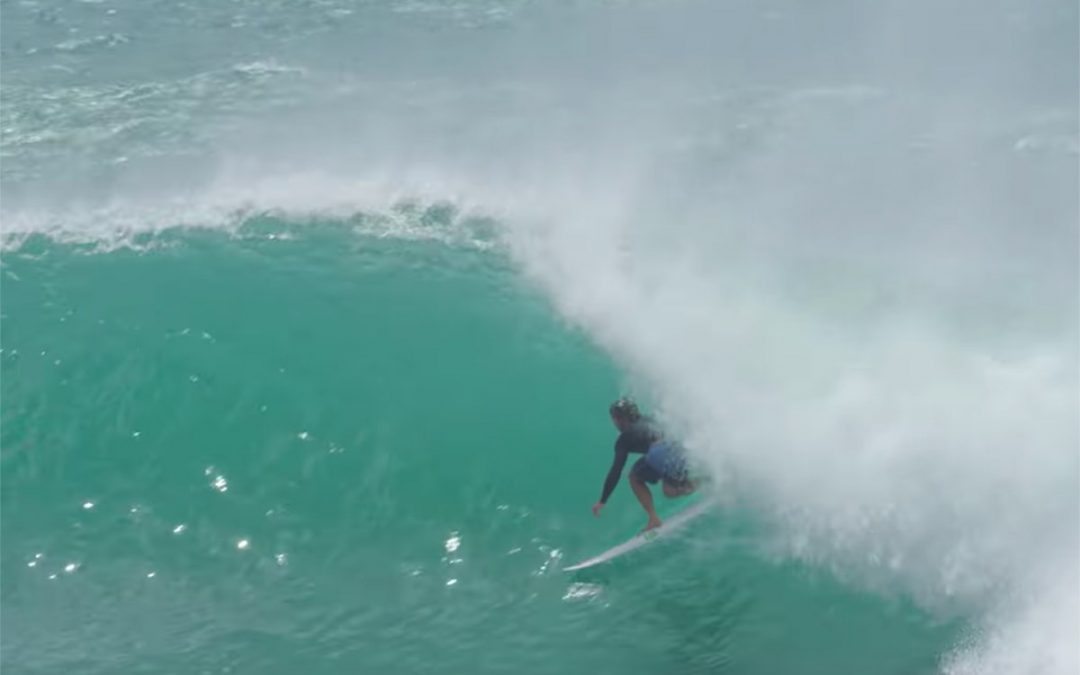
Conner Coffin and Parker Coffin jet over to Australia's Gold Coast. Watch as they score pumping Kirra and link up with Matt Wilkinson for dinner at his new restaurant, Friday Hut Dining.
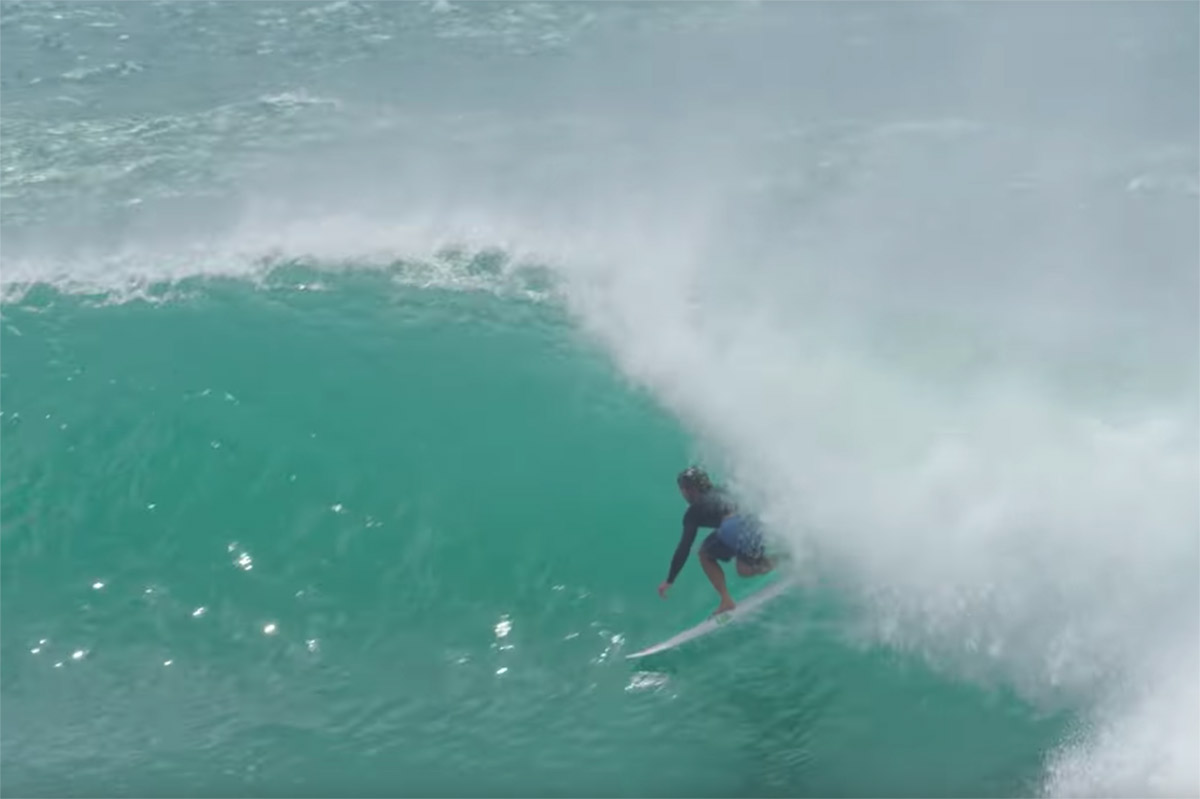
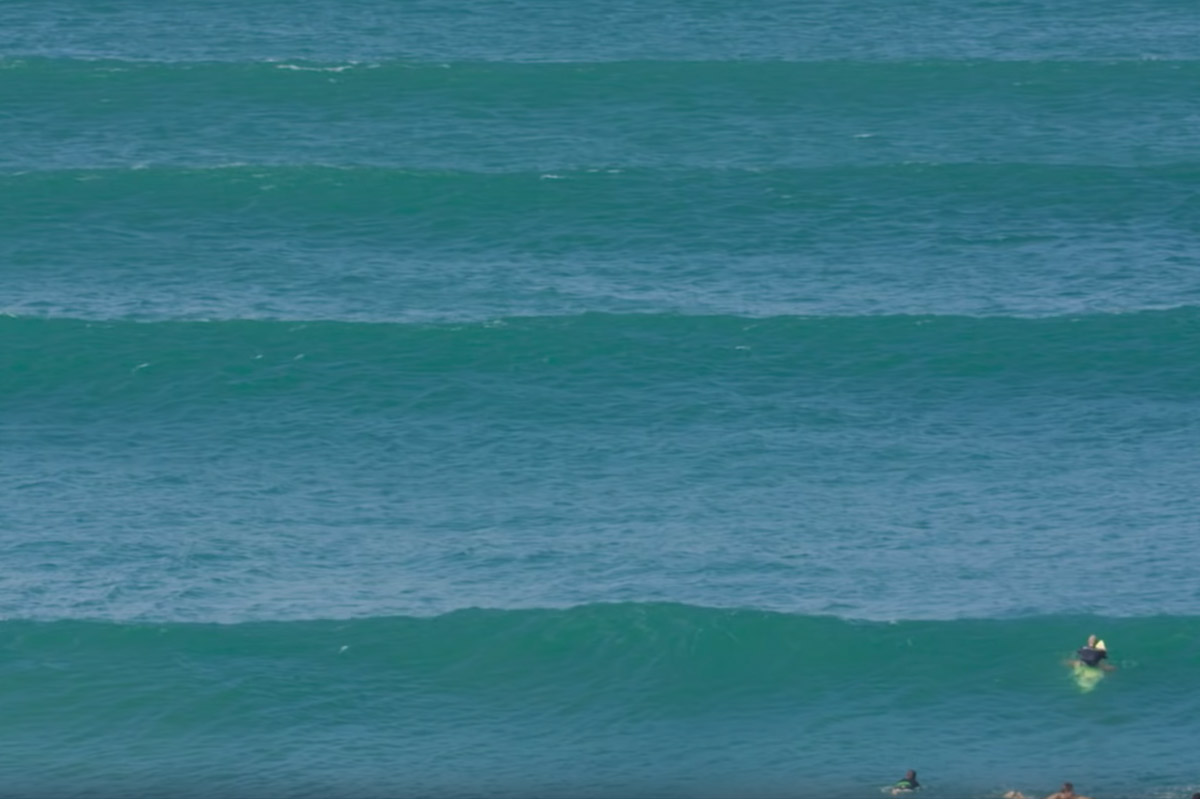

Conner Coffin and Parker Coffin jet over to Australia's Gold Coast. Watch as they score pumping Kirra and link up with Matt Wilkinson for dinner at his new restaurant, Friday Hut Dining.
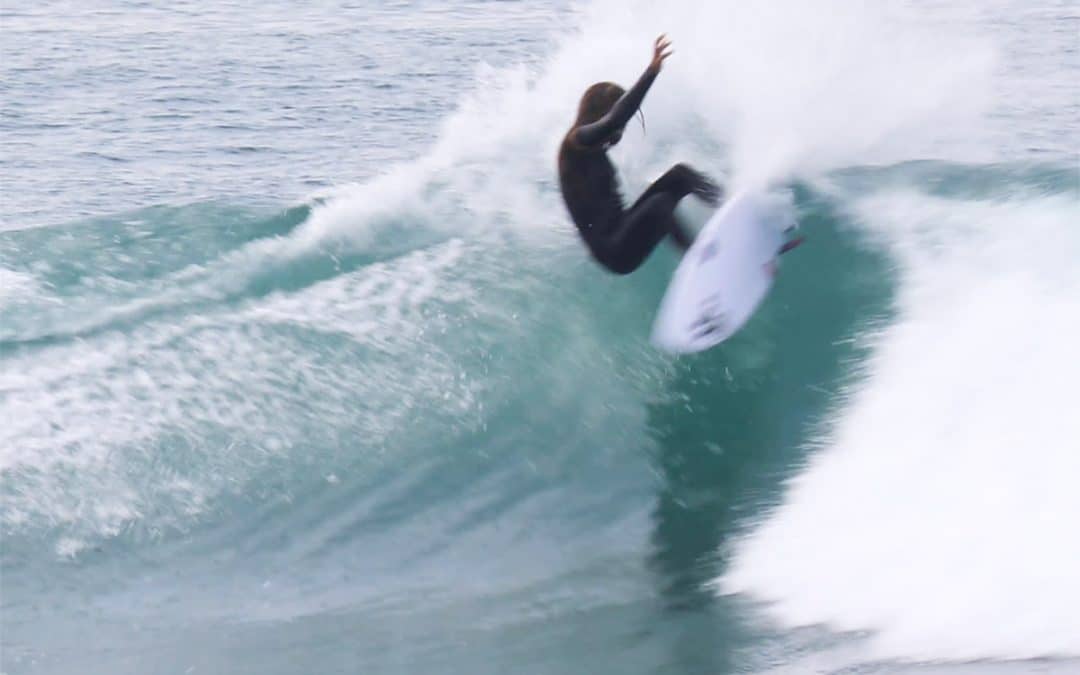
It's always fun to watch Rob's surfing, especially his bottom turns and cutbacks. Without a doubt, he can ride any kind of surfboard with both speed and grace. I'd like to see Rob ride single fins and longboards more often.
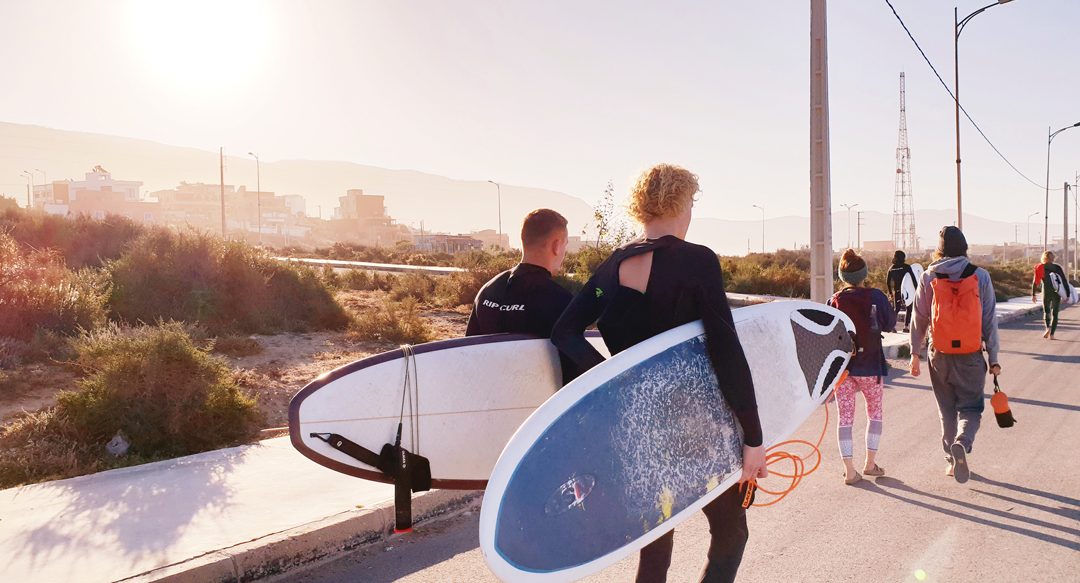
The new Carve ‘Jobs Board’ is now live, sharing vacancies within the surf industry for spring 2019 and beyond.
To kick things off, there are over 40 jobs on the list to suit all surfing levels, interests, availability and skills. From chef, surf instructor and yoga teacher to handyman, camp assistant and more across Europe, Morocco, Indonesia, Sri Lanka and Mexico.
Photo courtesy Sandy Camps.
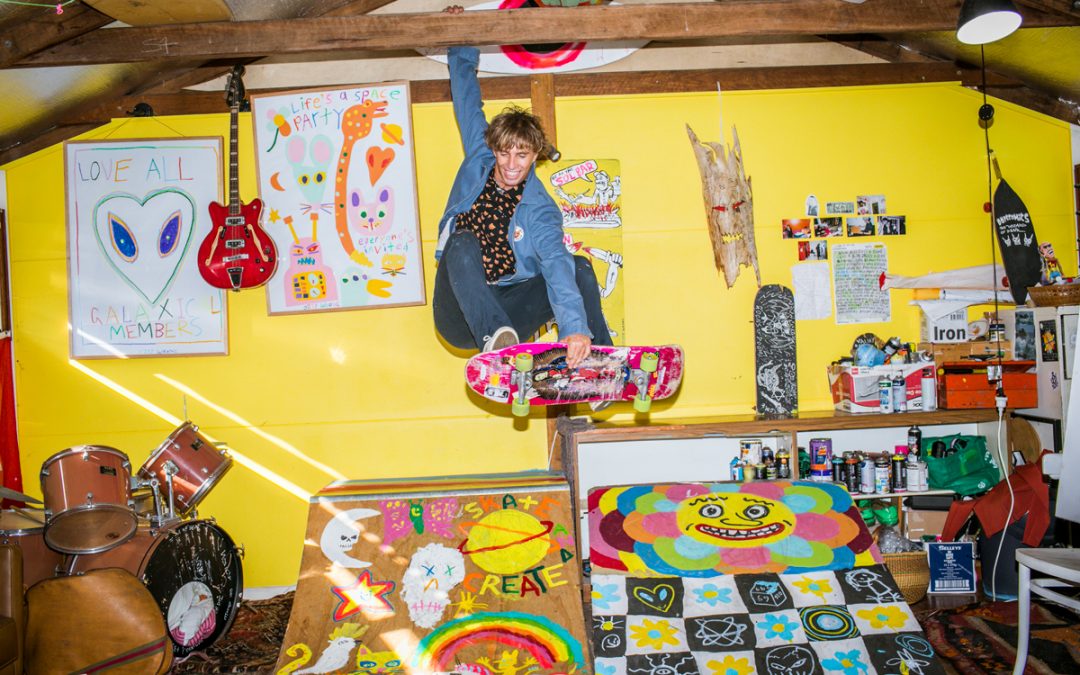
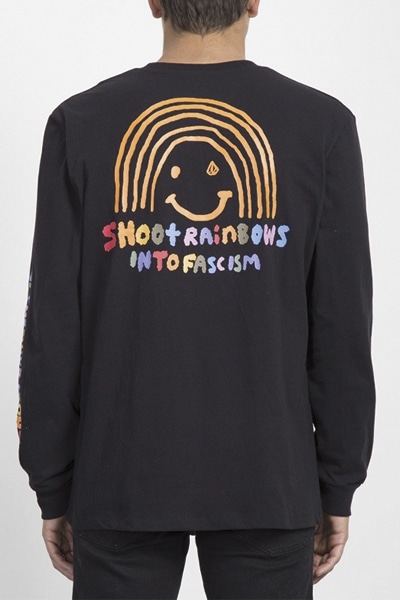
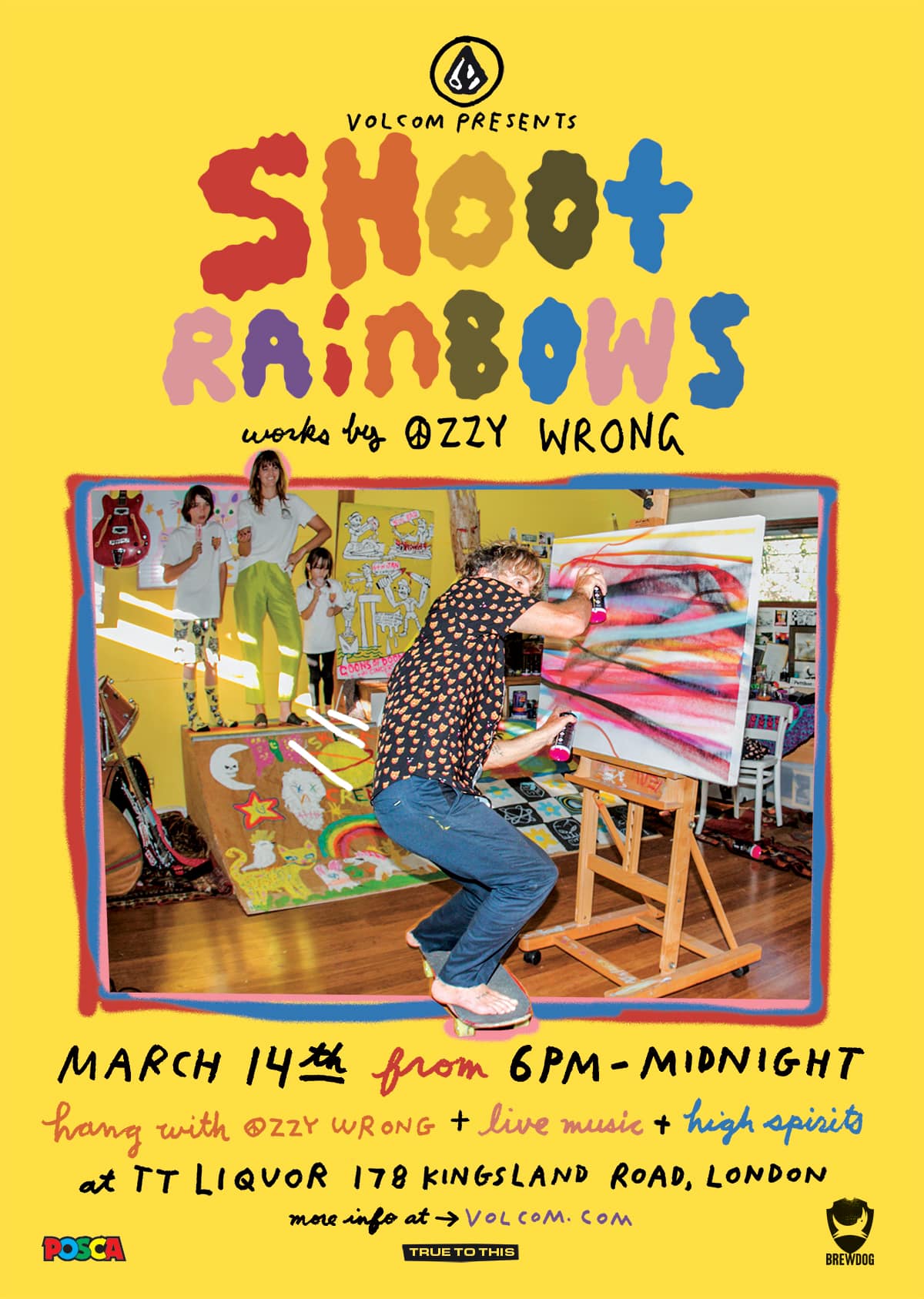
Volcom is proud to announce the release of a unique collection from Australian surfer, musician, artist, and all around radical human, Ozzie Wright (not to be confused with Ozzy Wrong, his artist alias name). From the mind of Ozzie comes this colorful call-to-arms range of clothing. The anti-fascist statement and artwork has been deconstructed and repurposed, giving the entire capsule a playful punk spin on a meaningful piece of propaganda: Shoot Rainbows Into Fascism!
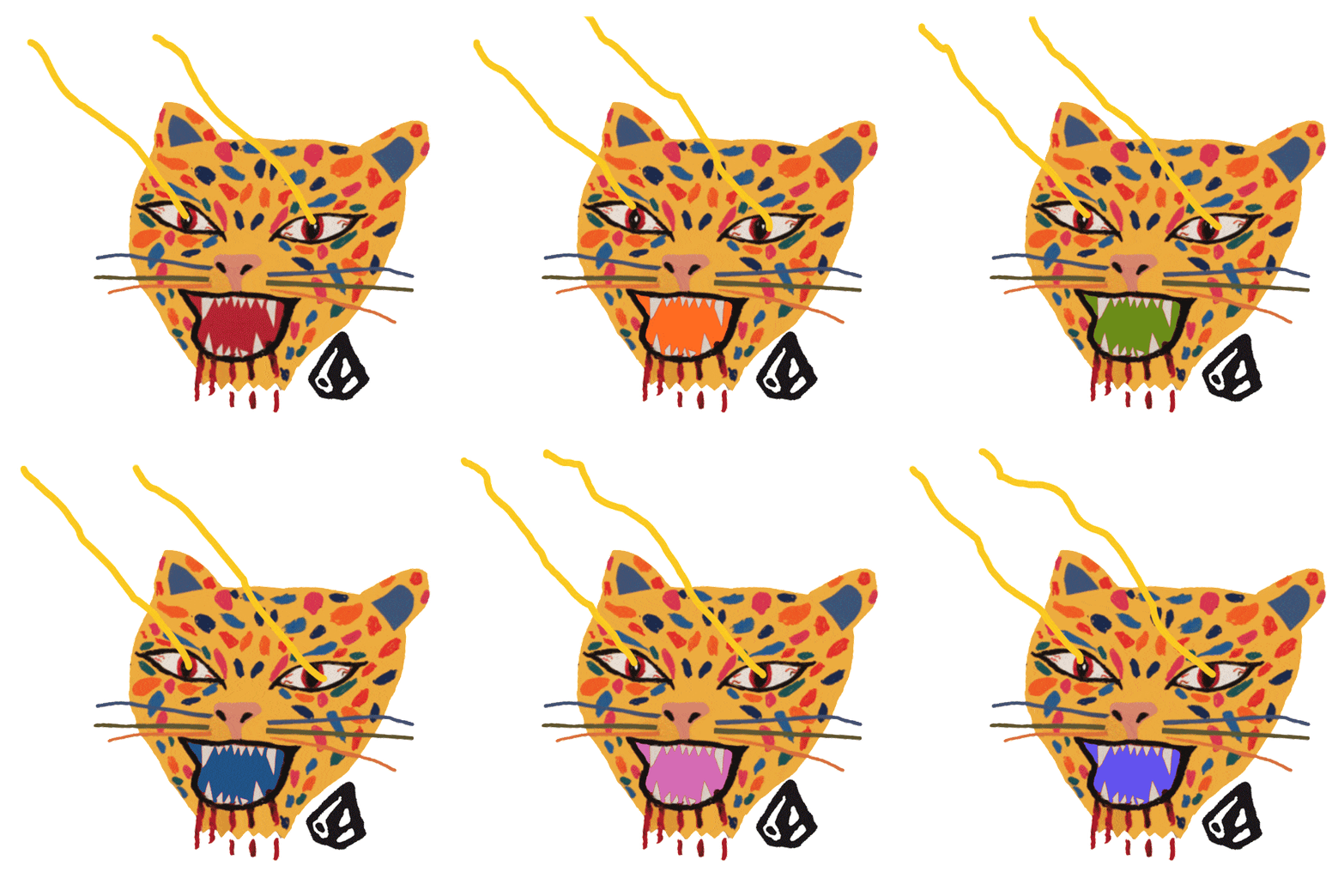
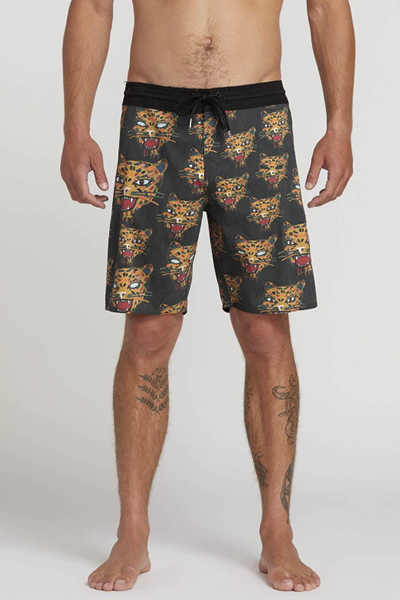
The collection includes classic Ozzie artwork printed on premium products that range from trunks, t-shirts, jackets, hats, and socks, all featuring Ozzie’s signature Cat Face and Rainbows with messages like “Shoot Rainbows Into Fascism.” A team rider for more than 25 years, Ozzie’s unrestrained creative output has produced heaps of original awesomeness for Volcom. From his surfing to his songwriting to his art, Ozzie brings a DIY approach, Aussie attitude, and infused energy to everything he touches.
I started painting to try and bring happiness and keep the bad vibes away, it’s nice to do positive artwork.
And that positivity is on full display in the Ozzie Wright Shoot Rainbows Collection. Check it all out at Volcom retailers and online at volcom.com.

To celebrate the release of the collection, Volcom is also happy to announce the official Shoot Rainbows party in London on March 14th at the TT Liquor venue. Details here.
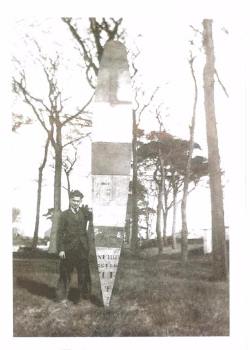
Joe and his board made from discard tea chests in 1949.
Joe Roddy, one of Ireland’s first surfers has passed away.
Former Tonnta editor Wayne Murphy takes up the story.
“It is sad reporting on the passing of people you have met who inspired many minds and gladdened more hearts. Kerry man Joe Roddy passed away today.
Joe was one of Ireland’s first real “watermen” and he lived a long and great life. I interviewed Joe many years ago while gallivanting around Kerry one summer with my Donegal friend Francis McGloin. We were heading out by small boat to spend a day on the old monk’s hermitage at Skellig Michael. Before that journey we had seen this old black and white picture of Joe, circa 1949, of him proudly standing next to a 16ft paddle board. We would later find out that Joe made it himself from old wooden tea chests. I was immediately intrigued with that photo. Francis and I tracked Joe down. It wasn’t too hard – it was his son who was captain of the boat taking us to the Skellig. So we met Joe in a Kerry pub for a chat. Charming and gracious as ever, he kindly told us a few fascinating parts of his life story. Here it is:
Most students of commonly accepted Irish surfing folklore believe the art of riding waves in Hibernia began in the early 1960s when Kevin Cavey first experimented with plywood boards in the Irish Sea at Bray in county Wicklow. Perhaps the opening chapter in the book on Ireland’s surfing history actually goes back a couple of decades further than most readers would be aware. Picture this, the summer of 1949, a quiet stretch of beach near Dundalk in county Louth. Weekend strollers, many still dressed in their Sunday best, walk along the seashore. A few braver ones wade and splash about in knee-deep water. The general mood of these seasonal beach-goers matches the lazy sound of the gentle waves spilling and rolling towards the shore. But not everyone in the vicinity shares the same balmy, end-of-summer malaise. About a mile out to sea, unbeknown to the people frolicking on the beach, a strong dexterous teenager is paddling hard toward shore on a craft never seen before in Irish waters.
Joe Roddy, the son of an Irish lighthouse keeper, has just launched his latest home-made contraption, a 16 foot paddle-board made mostly from discarded tea chests and lashings of sturdy lighthouse paint. Joe got the design from a woodworker’s manual but, with materials required to build such a craft in short supply after World War II, was forced to improvise. Having to make do with very little was a simple fact of life for young Joe who would soon become renowned for his beachside acrobatic skills and spear fishing talent. Blessed with strong maritime leanings, but living on an island inhabited largely by a population with an inherent fear of the sea, it is easy to understand how many folk back then were quick to label Joe as being a bit peculiar, eccentric even. After all, this was the same man whose curiosity for what lived under the sea drove to him to develop his own set of primitive scuba diving equipment. Flippers? No bother for Joe, just cut off some metal down-pipe and flatten it out into triangular shapes before attaching them onto an old pair of boots. Face mask? Easy, a few minor adjustments to an old military gas mask. As for a wetsuit, Joe simply painted a few coats of tar onto some Long John underwear.
Such dedication would see him eventually go on to represent Ireland at the World Scuba Championships at Cuba in 1967, complete with his own set of home-made spear guns, of course. Joe even met Fidel Castro there after breaking a free dive record. But it wasn’t what was underwater that had captured Joe’s full attention on this particular summer’s day in 1949. Rather, it was the delightful feel of his wooden craft as it picked up speed with an incoming wave. A few more paddles saw Joe instinctively scramble to his feet. Then, standing erect in the same antediluvian fashion and manner as proud Hawaiians did for centuries before him, he rode tall and confident along the shore-bound breaker while carefully aiming his half-submerged tea-chest craft towards the unsuspecting group of bathers and strollers on the beach.
Imagine. Suddenly there is a bit of commotion on the shore. A surprised murmur quickly turns to gasps of shock and awe as more heads turn and look out to sea at the dark mysterious Christ-like apparition standing on water fast approaching them. Joe was greeted by stunned silence from the astonished crowd. He fondly recalls seeing nothing but “the whites of their eyes and their gobs smacked wide open,” as he stepped onto the beach and into the history books to arguably become Ireland’s first surfer.
70 years and millions of waves have passed since Joe Roddy’s seminal ride. When I interviewed Joe he was about 80 years but still going strong. He was learning Samba dance lessons and really enjoying his time with many of the enthusiastic younger ladies. The sparkle in his eyes were a joy to behold as he told us this and more. While Joe’s epic ride pre-dates Kevin Cavey’s experiments in the surf by more than a decade, it remains entirely possible there are others, be they locals or visitors from overseas, who may well have ridden waves somewhere along the Irish coastline before these two pioneering Irishmen. And that’s not including all the fishermen, warriors, priests, poets and such like who have ridden waves in traditional small craft and then recounted orally or written in verse about the thrill of their close encounter with tonnta na hEireann (Irish waves).
RIP Joe Roddy. Go raibh mile maith agat.