Why the government needs to step up and furlough RNLI lifeguards.

Why the government needs to step up and furlough RNLI lifeguards.


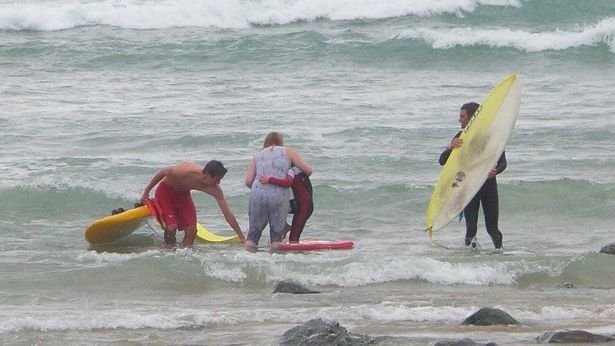
Imagine this scene if lifeguards hadn’t been there. Pic Nicky Willows


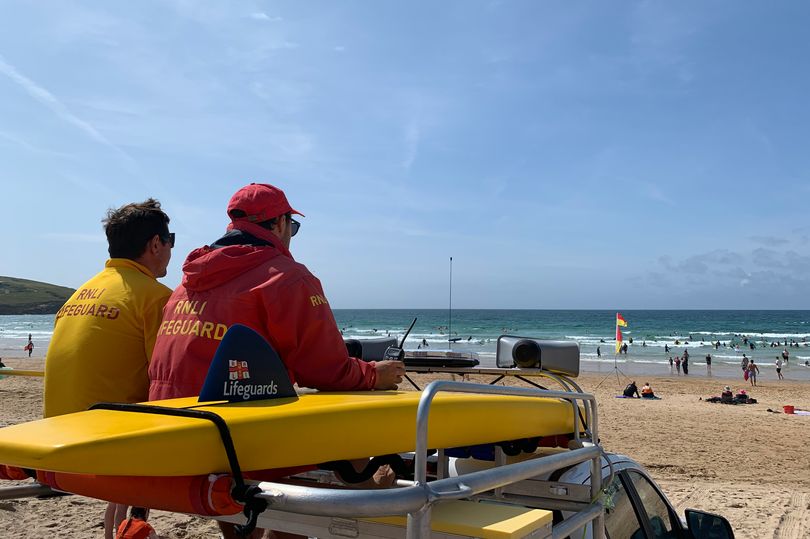
The RNLI is in a tough spot at the moment. Hundreds of highly qualified and experienced beach lifeguards returned to the UK or left winter jobs expecting to start work managing the UK’s beaches and keeping hordes of holidaymakers and those less ocean savvy safe. Unfortunately, their return coincided with the shutdown, but as seasonal workers, they weren’t apparently qualified for furlough. The RNLI bosses, already in a tough position seeing their charity donations drop, issued apologies but had to cancel contracts and promises of jobs. The result, unguarded beaches and a lot of highly qualified lifeguards out of pocket and wondering what comes next.
 
Right now on many beaches (where it is legal to surf) many surfers (some guards or ex-guards, some just salty sea dogs) are already issuing verbal warnings on tidal cut off to walkers or asking more ‘adventurous’ (I’m being kind) visitors to the coast not to swim in rips, climb rocks and even raising more serious alarms. It’s not the surfers’ job, but it is one that most the front line services – police, RNLI, Coastguard – are often grateful for. But surely even in lockdown resorts and busy beaches shouldn’t be reliant on the good nature of surfers? There should be some sort of beach safety plan in effect? And if people are responding in numbers now during lockdown what will happen when restrictions are lifted and the public flock to areas which were predicting their busiest summer for years?
 
Lifeguards are front line workers in coastal communities reliant on tourism and things are about to ramp up. As Tom Houghton (RNLI Senior Lifeguard, Newquay) says: 
“With the prospect of restrictions being lifted in the summer months, the worry is that the beaches will see record numbers of families and other visitors flocking to the coast – it will be a real struggle for lifeguards to provide any kind of lifesaving service without financial support for the staff now.”
 
‘Training to be a lifeguard is tough – you have to understand the dangers of the sea and the coastline, be physically fit enough to rescue people in rough water, be competent in advanced first aid and as a Senior Guard I have to know how to plan and lead patrols and rescues. So if experienced lifeguards have to get other work to make ends meet and they aren’t available when the service is needed in the summer, they won’t be easy to replace.’
 
Arron Evans is a surfer and RNLI Senior Guard, as he points out “The Lifeguard service relies on its returning lifeguards to impart the experience and skills required to do the job, it can take years to be trained on the rescue crafts and there is no substitute for experience”
 
Right now the RNLI is planning for skeleton staffing of high incident beaches during the busiest summer months. It will be tough even if they can retain their highly qualified staff, which is in doubt. The government is telling guards they are eligible for to look for other work and sign up to government support such as Universal Credit as restrictions continue. It isn’t good enough. 
 
As anyone who’s worked on the beach will tell you good lifeguards are priceless. It takes time, fitness, knowledge, instinct and dedication to prevent loss of life because when the shit hits the fan on a beach, things go downhill pretty quickly. And as much as other services will do their best to reach the incident and intervene if called in by the public, nothing comes close to an on-scene lifeguard with years of ocean and surfing experience. Basically the government is risking one of the nation’s most loved organisations losing a highly qualified front line workforce as we head into peak season.
 
So what for the recovery of coastal tourism if we see a rise in incidents and deaths on beaches? Where does the responsibility lay in terms of care of duty? With local councils as in the past? It’s a pretty murky future.
 
The fact the RNLI still relies on the generosity of the general public is somewhat of an embarrassment, especially when you factor in the cost benefits of guards and volunteers intervening compared to the launch of coastguard helicopters and searches, loss of lives and benefits to tourism.
 
Lifeguards are currently lobbying MPs to change the furlough scheme to include returning, seasonal workers like themselves who provide a vital lifesaving service. I’d suggest a few councillors, tourism chiefs and coastal businesses get behind them. As we all know too well now prevention is way better than the alternative. Unprotected beaches during peak season won’t be a pretty sight.
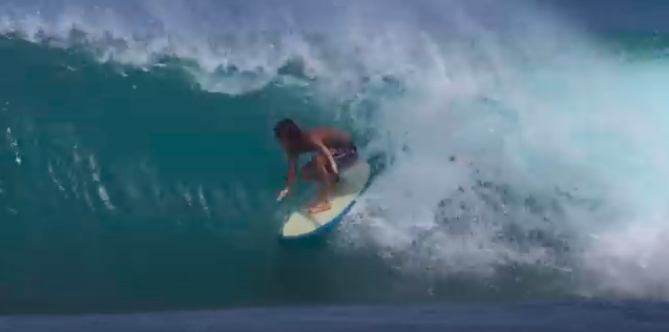
Mason Ho North Shore on a single fin

Mason Ho North Shore on a single fin


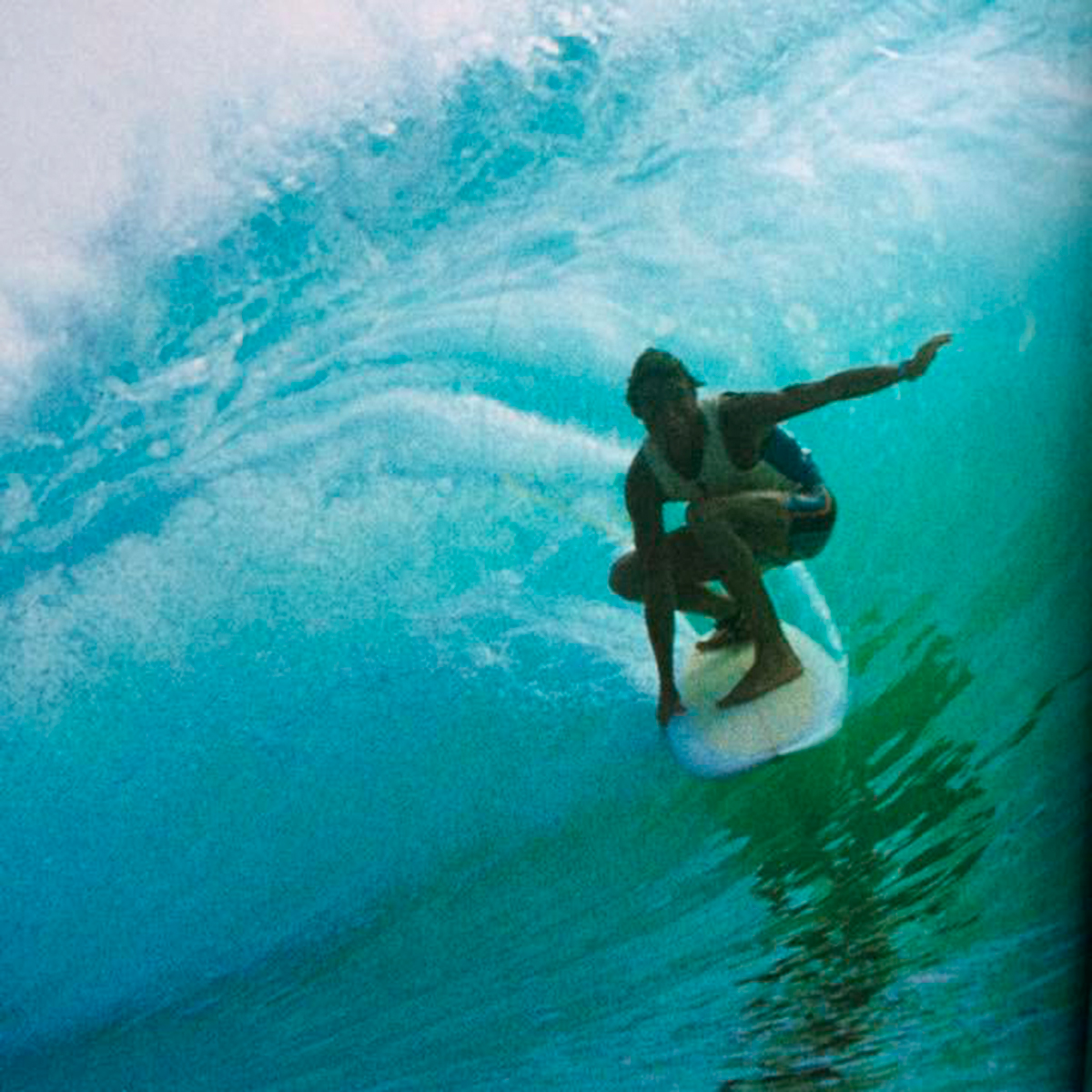
Mason wanted to ride this surfboard at three different spots in one day as the swell rose. Rockies in the AM, V at lunch then Pipeline in the evening while it was bombing. The surfboard is a 6 ft. 4 inch Single Fin shaped by Timmy Patterson around 1996-2001? for Donavon Frankenreiter. Michael Ho grabbed the board from Timmy in San Clemente around 2003-2004 and it has been in Hawai’i since.

Mikey Wright – Back in The Water

Mikey Wright – Back in The Water

In early 2018, Mikey Wright fell on a wave while competing at Pipeline. This lead to a herniated L4/L5 disc and spinal stenosis. The pain was so bad that he could hardly sleep.

For the remainder of the year, Mikey competed in 8 events and finished 12th on the CT. He was mostly unable to free surf throughout this time.

In 2019, he competed in the first three CT events before withdrawing to deal with his injury. After 10 months out of the water, this is where Mikey’s at now.

This edit features footage from Australia, Fiji, Hawaii and Texas from early 2020. Mikey’s back to chasing swells, going hard and getting clips — and there’s plenty more to come.

Credit: Wade Carroll c/o Quiksilver

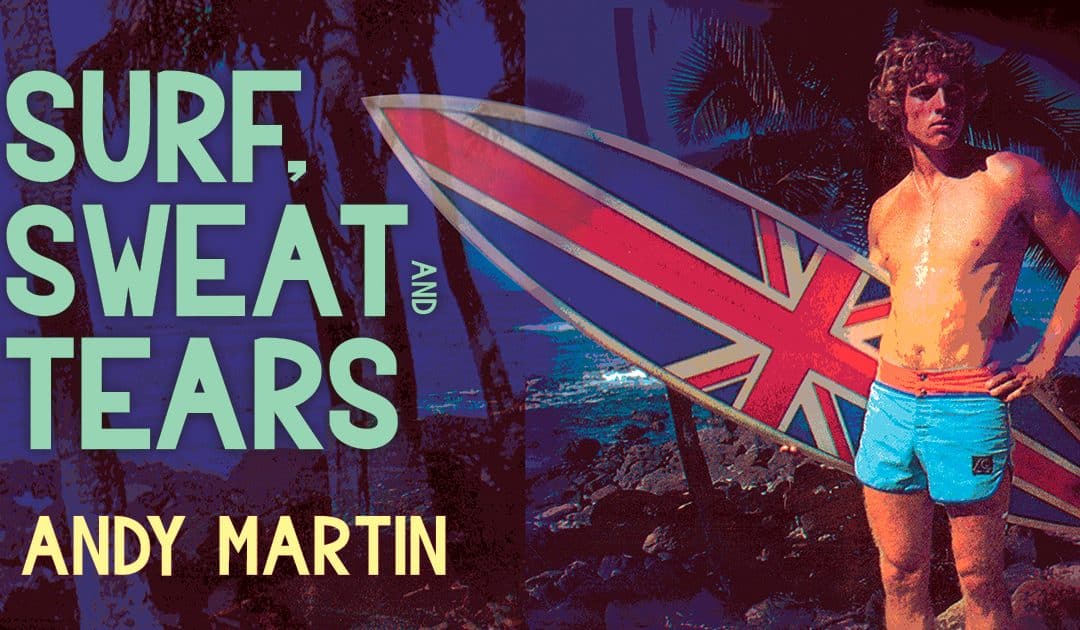
Ted Deerhurst – Surf, Sweat and Tears

Ted Deerhurst – Surf, Sweat and Tears

Above Ted at Pipeline Photo: Divine

EXCALIBUR
There were clearly defined periods in Ted’s life. Each had a name, a brand. The Lightning Bolt era gave way to Sabre; Sabre gave way to Excalibur. Which gave way to Lola.
In a way, Excalibur had always been there.
Everyone remembers the legend of Excalibur – the magic sword that Merlin places in the stone (or anvil), and which can only be removed by the true King. All the young wannabes, the pretenders, troop up and confidently grasp the hilt but are unable to take possession of the sword, no matter how hard they try. Only young Arthur, quite unexpectedly, but effortlessly, can grasp the sword and make it his own. Thus he is the One, divinely appointed and sole heir to Uther Pendragon. “Whoso pulleth Out this Sword of this Stone and Anvil, is Rightwise King Born of all England” (Thomas Malory). Some say that the sword in the stone and Excalibur are two different swords, some say they are one and the same, but either way, Excalibur is a magic sword. That sword is like a crown, bejewelled and engraved with mystic messages. If you own it, you rule. A weapon of immense power, but also an instrument of peace. Even the scabbard in which the sword rests is itself magical and can heal the wounded. In the end, as Arthur lays dying, and is spirited away downriver on a transcendent barge, he commands one of his attendants to cast the sword into the water, where a mysterious hand – belonging to the Lady in the Lake – rises up to receive it and from whom, one fine day, it is destined to be reclaimed by a descendant of Arthur, who will recreate the Round Table and the wonderful land of Camelot. Recovered from the water. From the hand of the Lady of the Lake. A second coming. On a par with the Holy Grail.
Excalibur. Everyone knows it, no one believes it, except for poets, novelists, and Walt Disney.
And Ted.

Ted at Padang Padang Photo: Hoole/McCoy

Ted believed. He had faith. Excalibur was real. And if it wasn’t, well, then he would make it real. He would take a myth and insert it into everyday life and thereby transform the world. He would, in a way, become Arthur. Or at least Merlin. Perhaps he was indeed, if Arthur had any substance to him, through the ancient Coventry family, a descendant of Arthur. He surely had a drop of Arthurian blood running through his veins. Maybe every true born Englishman did. In the absence of a handy stone that he could miraculously draw the sword out of, Ted talked Paul Holmes, an expatriate Brit who was then editor of Surfer, into funding a real sword, to be forged by the jeweller Mitch Nugent in England. A blade made of steel and a hilt cast in bronze and silver and encrusted with sea creatures set against some trop- ical backdrop. “A treasure any king would be proud to wield,” Ted announced to the world. Engraved with the words, “The Spirit of Surfing”, it was to be awarded to the winner of the Excalibur Cup, a charitable surfing competition dreamed up by Ted. “According to legend,” he recalled, “Excalibur could not be defeated in battle, as long as the user would only fight for right and justice, a noble concept.” Only Queen Guinevere was missing – but surely, reasoned Ted in his mystic logic, once Excalibur existed then Guinevere could not be far behind. As it once had been, so it must be again: the present moment appeared as only a temporary falling away from perfection, a transient and intermediate state that could not endure. 

The idea first came to Ted in Australia, he said, when he was having a game of tennis with Rabbit Bartholomew. Singles. Man-on-man. In a classic lightbulb moment, Ted realised that the very same man-on-man concept could be applied to surfing. Eureka! A very fine idea. So fine, in fact, that it had already been espoused by the ASP, the Association of Surfing Professionals. The Excalibur Cup would therefore, in effect, be a rival to the ASP tour, the grand prix circuit. And, to some extent, an antithesis, almost an antagonist. It was Excalibur vs the ASP. Because the ASP was, as its name implies, “professional” and surfers expected or at least hoped that they could earn a living – or at least pay their expenses and keep the wolf from the door – by surfing under its auspices and participating in its contests.
Whereas Excalibur was all about charity.
As Paul Holmes, then editor of Surfer magazine, put it, “Ted was going in the opposite direction”. As was his wont.
Nobody would win any money, nobody would be paid a penny, all proceeds would go directly to good causes, entirely omitting the shrewd and well-paid middle man. Excalibur was a vision of how the world might be. The ASP was simply an extension of the way the world is. Surfing as myth and legend – or surfing as a form of materialism, a career, in which you could work your way up the greasy pole. Ted tried to belong to both worlds, but his heart was really in Excalibur, the chivalric code. Chivalry was not yet extinct.
“To gain, one has to be willing to give.” Such was the founding principle of Excalibur. The idea was to encourage or enable underprivileged or disabled kids to get to the beach and enjoy the “spirit of surfing”. A non-profit foundation was formed, its mission “to promote the sport of surfing, teach its participants the chivalrous concept of doing for others, and to raise funds for less fortunate individuals so they may enjoy their lives.” At first, Ted’s idea took off. He found established surfers willing to give of their time and energy and prowess in a quest for virtue and altruism. It was true Round Table stuff. These were one-day events involving the top eight surfers in the world. They pulled in the crowds and they raised thou- sands of dollars for youngsters. The inaugural event in 1982 at Burleigh Heads took place amid six-foot barrels and was won by Hawaii’s Michael Ho, beating Australian Cheyne Horan in the final. Perhaps the result could even heal the wounds inflicted by the Bustin’ Down the Door war and thus usher in everlasting peace. Ted recruited Australians who were towering figures in the sport such as Derek Hynd and Mark Richards to do the live commentary. Not to mention Australian “Playmate of the Year”, Lyn Barron.
When Ted moved back to America in 1986 he took the Excalibur Cup with him. The “Excalibur Cup Foundation” was formed, “an independent non-profit corporation”. He had a vision of “getting the attention of all America” and raising at least $50,000 for good causes (“Special Populations”, “Monmouth County Seals”). Events took place, with reasonable success in Florida (three-foot barrels and offshore winds) and further north in New Jersey. “Much like in the legend of old,” Ted wrote when 15-year-old Kelly Slater – the future many-times-over world champion – took the title, “the youngest proved the most worthy.” They picked up celebrity support from actress and old flame Heather Thomas (by then the star of a TV show, Fall Guy) and Jack Sonni, guitarist with Dire Straits, who was a recent convert and enthusiast. Ted even invited the Prince and Princess of Wales (ie Charles and Di) to hand over the prize (a very pleasant letter from the Palace in response regretfully declined).

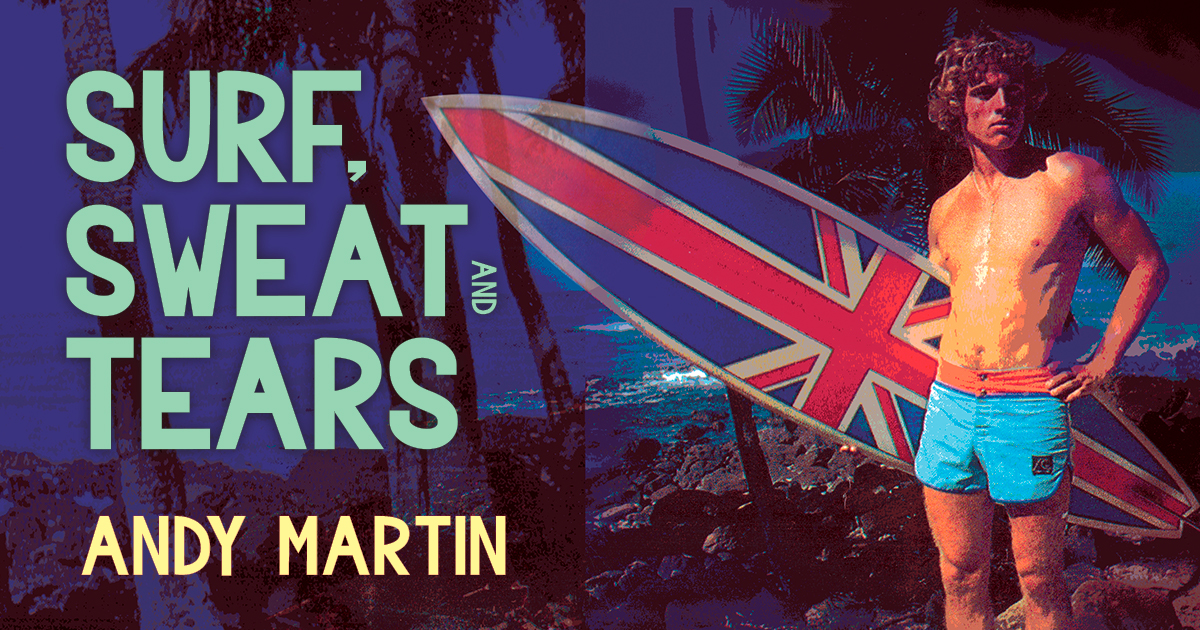
Above Author Andy Martin. Photo: Courtesy OR Books

However, putting on surfing contests, as Ted discovered, also requires the cooperation of Nature. After one particularly flat, cold, surf-free day in New Jersey (previously described in Ted’s hopeful notes as “a natural amphitheater” and a “consistent beach break” a mere hour and a twenty minutes train ride out of New York), Ted took the whole event off to the West Coast. Ted wrote, in his Excalibur notebook, that “surfIng has always had difficulty attracting the attention of the general media in America and it was hoped that by including celebrities more interest could be generated and greater amounts raised for our worthy causes.”
To some extent, this theory seemed to be borne out in practice. “Heather Thomas was his Guinevere,” said Paul Holmes. Surfer paid for a whole page in Ted’s program wishing Excalibur CONGRATULATIONS. Ted wrote, “The long lines of fans waiting for Heather’s autograph in the cold weather of N.J’s spring proved this [the celebrity theory] true in 1987”. Surely on the West Coast this would be truer than ever, what with the proximity of Hollywood and Baywatch. Ted had visions of movie hunks and romantic interests desert- ing the set and taking to the waves in their droves. It would be a win-win. They had more to give and therefore more to gain. It was, to Ted’s way of thinking, only logical. But it turned out to be a Faustian pact. Excalibur became dependent on the whim of celebrities. Would they give a thumbs up or down? At the same time, surfing itself was becoming more than ever professional. And, reluctant though Ted was to admit it, something of the elusive “spirit” was being hoovered right out of it. Sponsors were energetically sought, and there was talk of Disney, and Universal Studios, among others, pitching in, but hard cash remained elusive. No Disney but only ‘FIJIAN TANNING PRODUCTS” and “Steve’s Breakfast and Lunch”. At the bottom of the cover of the Excalibur Cup program, 1988, there is a forlorn note: “A Contribution of any amount is appreciated to underwrite the cost of printing”.
Fast-forward to Hawaii, 1991. We are sitting on the beach at Pipeline, Ted and I, waiting for his heat. The waves are perfect, in a way, vertical and tubular, but also precarious and terrifying. They rear up like immense steely blue cylinders, almost industrial, rolling off the assembly line of the reef, then smashing down and pulverising anyone unwise enough to get in the way. As Pottz once said, there is enough skin on that reef to stick a couple of humans together. Ted is fully focused, replaying some tank battle from the Second World War. Alamein perhaps. The sand is the desert. He actually has some toy tanks and soldiers scattered around. He is pointing out that if only Rommel and his Africa Corps had done this or possibly that, then he would have broken through Montgomery’s lines and made it all the way through to the Nile, thus decisively affecting the course of the war.

“How did the Excalibur go?” I say.
The last time I had seen him he was brimming with enthusiasm about the new Excalibur contest. “Chivalry is not dead,” he had written. The rise of the ASP (he was, after all, about to paddle out in an ASP sanctioned event at Pipeline, sponsored by Quiksilver) was an issue, but it was not insuperable. Ted had taken the view that if you can’t beat them, you join them, you hitch a ride on the back of the ASP. So rather than set himself up as Rommel to the ASP’s Montgomery he had wisely compromised and located the next Excalibur Cup in Santa Cruz, California, the day after the ASP contest that was taking place right there, a mile or two away. Ted had even set up an office in Santa Cruz to oversee the whole event.
It was a good plan: all the top surfers – Slater, Pottz and the rest – would fight it out on some classic Santa Cruz waves, they would earn their crust, they would get the accolades from the magazines, and then they would wander a mile or two along the beach and do their good deed, and dedicate a day – only a day! surely they could spare a single day? – to the young ones, poor, underprivileged, some of them disabled, who looked up to and idolised them. The program struck an optimistic note: “SOME OF THE WORLD’S MOST FORTUNATE PROFESSIONALS ARE PROUD TO BE GIVEN THE OPPORTUNITY TO HELP OTHERS”. They would be role models to these kids. Inspirational. Sporting heroes who showed that they had a spark of decency and kindness and caritas. Now abideth faith, hope, and charity, but the greatest of these is charity.
“The waves were great!” Ted says. “Blue skies and off-shore winds the whole day.”
“So the pros turned up then?” I ask, pleasantly surprised. Not sceptical but relieved and reassured about mankind. I had previously dared to express doubts regarding the likelihood of pros exerting themselves for a week at Santa Cruz and then merrily trooping off to volunteer for a day. I would have to take that cynical thought back.
Ted drops a tank down in the middle of a whole bunch of toy soldiers. They are duly annihilated. They cease to exist. “Bastards!” A definite tinge of bitterness.
“How many?” say I.
“Not one,” says he. “Lots of local surfers. They were brilliant. But not one of these pampered, narcissistic super-stars could be bothered to haul their arses up the beach for the sake of the kids.”
I put an arm around his shoulder. Even if he does have a tank in his hand. “Look, man, I guess it was always going to be a big ask to get them to turn up after Santa Cruz. Maybe you could try it before next time? That could work.”
“Next time!” He adds something like “ha!” and kneels down and starts gathering together all the tanks and the soldiers and putting them back in his bag. Then he stops and looks up at me, shielding his eyes from the sun with his hand. “Sometimes I am seriously disappointed by the attitude. What ever happened to the Spirit of Surfing?”
“Every man for himself?”
Ted gazes out mournfully at the break. Someone is doing something miraculous: pulling into the tube, disappearing behind the curtain, and then – seconds later – getting spat out at the other end, raising his arms over his head, Hallelujah. The quintessential move. “I used to think surfing was all about giving.” He remembers one of his own lines from a pamphlet he had put together about the Excalibur: “The satisfaction of helping others.”
“Yeah,” I say, sympathetically. “Overcoming the ego. Being at one with the planet, right? Feeling the force.”
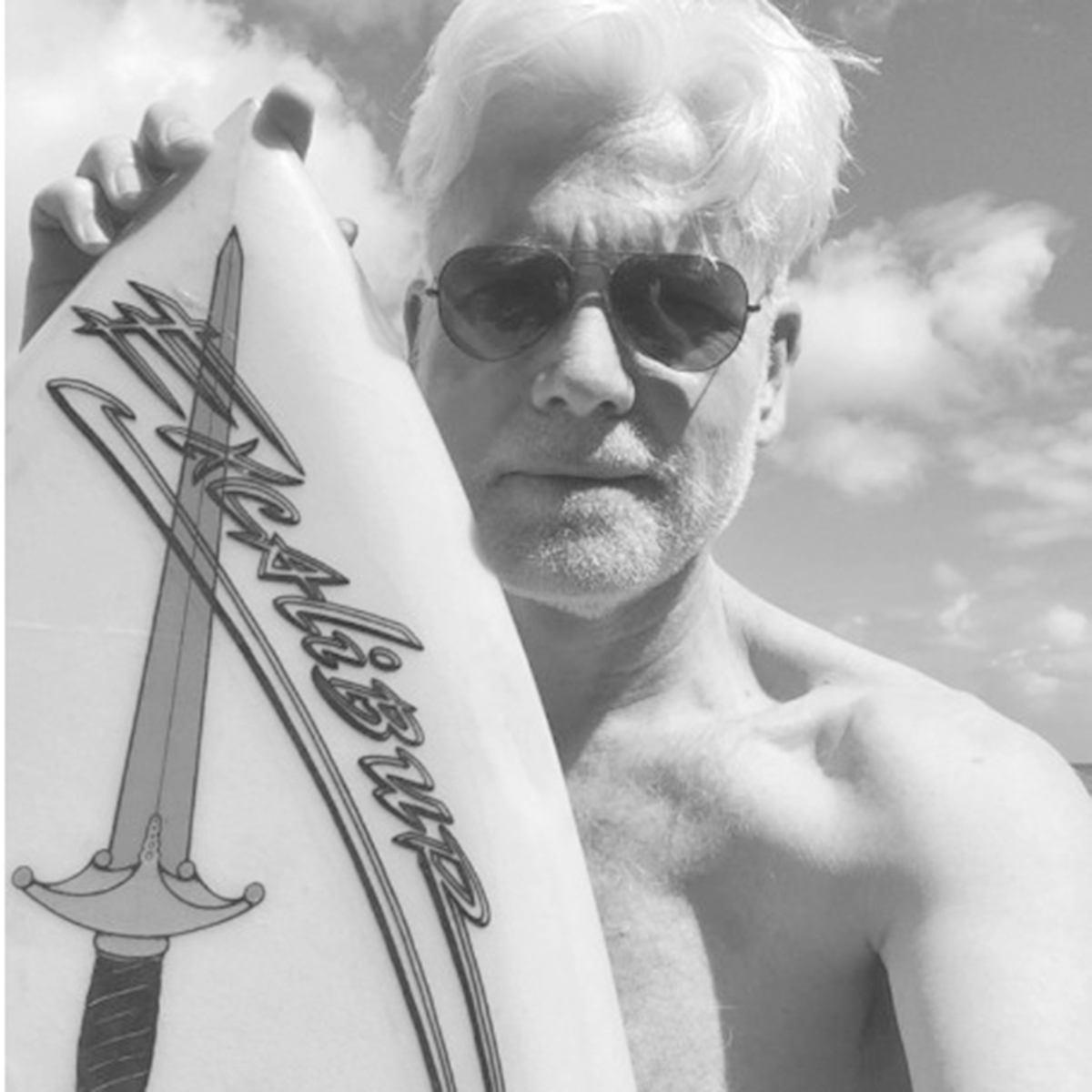
“And now...” He doesn’t actually use the word “taking”, but he is clearly thinking it. Perhaps chivalry really is dead after all. Ted, visibly upset. He looks as if he is on the verge of bursting into tears. But then he stiffens his sinews and sticks out his chin and rests one hand on the board he has standing up vertically, neatly, like a soldier at attention, in the sand. Emblazoned with the sword of Excalibur. He is a knight in armour again, only without the armour. “There is a spirit of selfishness abroad,” says he. “We have to keep going and fight against it. For the sake of surfing.”
Any reasonable person would have quit. Ted refused to quit. He was the exact opposite of a quitter. Or reasonable. The more he got knocked back the more he would persist. The worse it was the better. It was like a last-man stand. It was like he wanted to go out in a blaze of glory, dying in the desert sands. Ted reminded me of Gary Cooper, the Sheriff, in High Noon. All the townsfolk had deserted him. And the train was due in any moment. But he didn’t care. He had a duty to fulfil. He would face down the bad guys all on his own if he had to. And what if he were to be taken out? Then so be it. The more alone he was, the stronger he felt, the more empowered, a man with a gun in his hand.
The competition klaxon sounded. Ted’s heat was on. He dumped his soldiers with me and grabbed his board and ran down the beach and launched himself into the everlasting maelstrom that is Pipeline and paddled out.
In many ways Ted was ahead of his time. Teaching the blind and disabled to surf. Now every serious competition has a cancer program or a pink ribbon. As late as the summer of 1996, only a year or so before he died, Blackie Blacker reported seeing him in New York, living in the attic of someone’s house, surrounded by boxes of t-shirts, with a notion of getting a new sword engraved with the names of past winners, and all “fired up” about a new edition of the Excalibur Cup. And hoping to recruit Bruce Springsteen to the cause. “He was his old self,” Blackie said.
Undaunted, unbowed, unrelenting.


Copyright © 2020 Andy Martin. May not be reproduced in print or electronically without permission in writing from the publisher.

Surf, Sweat and Tears is available now from OR Books, New York. Click on the link below and enter the discount code CARVE15 to get 15% off the cover price of the print or e-book: 

AWAY FROM THE NUMBERS

AWAY FROM THE NUMBERS

Oscar Langbourne, 16 is smooth as silk in the water, and old surfing soul in young form. Balanced, relaxed he glides through the aqua playgrounds of NZ. Pure joy to watch him string together endless lines with ease. Craig Anderson watch your back, there’s a new kid in town.

Carve Classic 
Thomas
 Campbell Interview + Sprout movie.

Carve Classic 
Thomas
 Campbell Interview + Sprout movie.

Join us as we delve into the Carve Classic archives for some all time trips and interviews, we caught up with Thomas Campbell, filmmaker, photographer, book publisher, musician and artist. Originally featured in issue 186.

Thomas Campbell is a filmmaker, photographer, book publisher, musician and artist. He’s also a board builder, skater, surfer and now has his own line of boardies. Vissla have just used some of his vibrant airbrush art from a quiver of Travis Reynolds surfboards. The weird thing about Thomas is, no one seems to ask him about the thing he loves most dearly, surfing.
Steve England caught up with him to find out more.

How did you find surfing?
I remember I was living in Dana Point, and I started off riding borrowed surfboards from two guys I saw down the beach. I'd skateboard down the beach on my way to work and I would just ask if I could borrow the longboard. I worked right in the sports fishing place cleaning the boats, so on the way down I'd stop at the beach see if they’d let me have go. These were the late ‘70s but I was drawn to the really much longer boards these guys had. Everyone else was kind of really in the mould of the short boarders, but my friends and I would just ride anything. So when the main beach blew out and we couldn’t shortboard we’d go down to the point and go longboarding. The waves were really uncrowded back then because they weren't really considered good shortboard waves, and longboarding wasn’t really that popular. So we had lots of waves to ourselves. We were just shortboarding, longboarding, skim boarding or skateboarding, we're just doing whatever there was to have fun. We’d all hang out together. We would ride anything but we were all really drawn to these big old heavy boards, at a time when no one else really bothered with them.

Have you got a most favourite surfboard ever, a little magic stick, that you've owned?
Yes I was in Morocco in about ‘93. I went to the same school as Vince De la Pena and he had an Al Merrick gun and I bought it off him. It wasn't ideal for me, it was more a Pipe shape, a bit more for Hawaiian waves. Anyway I took it to Morocco, but while I was there I met a South African guy who had a Peter Daniels 7'3”. It was actually shaped for Tom Curren when he went on The Search in Mozambique, but I don't think he got a chance to ride it because it didn't get big enough. Merricks were like the crown jewel of surfboards at that time so I suckered him in and we traded boards. His Peter Daniels was one of the best boards I have ever ridden. It was so responsive, it was crazy, and we had a run of perfect waves. Five days of 20 foot and may be a little bit bigger. At that time nobody really surfed really big waves down there. So I got these five days of perfect big surf. I saw one other guy the whole time I was there, another surfer, but I never spoke to him. The waves were so good I only saw him in the water from a distance or when he was on land getting in or out of the waves. The surf was that good and big we never crossed paths even though we were sharing the same waves in the same sessions. I never spoke to him because we were never near each other. Those sessions are definitely the highlight of my surfing life.
The wave was like a chip in, so you could ride a board that big. I was getting in on like a six foot wave on top of a way bigger wave and then there were these big long walls. The memories are still resonating all this time later. It was a different time, a really wonderful time.

Have you ever had a really ugly surfboard that has gone really well?
In high school my friend David Laws had this big 10’4" red longboard in the corner of his garage with no fin. It was just beat up, a weird shape, probably a backyard shape. So I was like, “Hey, what's that? Can I have it or buy it?" Andy gave it to me and I stuck a fin in it and it was amazing. It was so good I rode it for years. It's in the end of the Seedling…I loved it.. Anyway later when I met Joel Tudor in about ‘97 I was still riding that board - I had it from about ‘85-‘86 - and he just laughed. Then he let me try his boards which were far superior. I didn't really know, I was just riding a surfboard I loved.
Until I met him I was never really involved in the longboard world. It didn't seem very interesting to me. Longboarding and high-performance longboarding never seemed interesting to me. Like a longboard magazine was on the newsstand in the new store and I'd be like “Why would I want to read that?". My friends and I were just riding old logs, and if we wanted to shred waves we would shortboard.

Have you still got that board or is it gone?
I think I burnt it. I think it's in the surfboard burning in Sprout. It might have been in that pile of shitty surfboards. But that's a pretty heinous thing to do, burning surfboards is a mortal sin.

It does show bit of a darkside.
It does that but also in an environmental way it's not good. They burn one in the Innermost Limits of Pure Fun in daylight, and it ... it's not good.

Any other any boards you ever sold that you wished you'd kept forever?
The Peter Daniels was the one. But I had no money at all. I think I sold my board and my tent to buy food. It was creased in the middle on one of those five amazing days and I fixed it, but I just had to sell. I just had no money. But that was a really good board. You could really lay down a bottom turn on those waves. I could lay down my bottom turn and be dragging my forearm and hand in the wave laying out flat, I'd never been up to do that like that since.

Have you been on the road much when you had no money at all?
I had nothing forever. I mean I was just out there. I went to Morocco a lot and travelled everywhere but I didn't have money. I'd have to sell everything almost always while I was there. I just get there and surf until my money ran out. Then I'd have to phone my mum to wire out the last 60 bucks that were in my bank account...
"What, you are in Africa and you need $60?"
"Yeah that's fine."

Do you think that experience made you appreciate everything more than later generations for whom travel is now easier through improved infrastructure and paths more beaten?
I don't think you can make a generalisation about what people take from travel and what the kids are doing now. I think some may be real privileged, but I think is a lot of kids are struggling.
I think you learn on the road and become really self-sufficient and you have to adapt. I didn't speak French or Arabic really… I went to 55-56 countries around that time and I did a lot on a shoestring... but everyone is different. I don't really like to draw lines across everything. Every person is different and has different drives. My horoscope says "you'll be the person that goes off the cliff and people will follow you". But I didn't really travel with people. I just wanted to go away with nothing and move and travel as I felt fit. Some people are not very comfortable living with nothing, living without money. I could move with what ever was happening, but I felt some people might been uncomfortable with a living at a lower level, and then there may be tension, they'd be scared or whatever. It was hard. It was six years on the road hitchhiking across Europe, America, Africa and all over. It's not for everyone but that was my thing, and I think I've learnt a lot. Everyone has a different edges and boundaries. I don't wanna be one of those people who say "do what I do," because that's pretty insensitive to the diversity of human experience.

What inspired you to hit the road?
Initially I think it's because I came from a very large family. I have five sisters. And we weren't particularly well off. So we didn't go anywhere. My parents couldn't afford to take us anywhere, and I think that they just didn't wanna do it either. I don't know what the scenario was. We just didn't go anywhere. The furthest we went with the family was like four hours away. Also where I grew up was quite rural. There wasn't that much there at all and people were pretty down to earth. I liked it that way. But when I was in my mid-teens all the land movers came in and they started developing the area. It became built up and this pervasive 90210 kind of culture started growing. And I was like “Yuck! This is not what I'm used to used to. This is not what I like. I am fu**king out of here.”
I wanted to go somewhere I really liked it, where it was more mellow and people were more connected. So I moved to Santa Cruz, which at the time was ideal, and I really liked it and I used it as a base… I was doing shitty jobs and was also working for a skate magazine when I was like 17 and eventually got to travel working for them. I just wanted to explore different cultures to get an idea about what I wanted my life to be. Because the more places I've visited the more I saw how different people lived and the different levels of happiness or enjoyment in their lives, or sadness, so I could look at life with that perspective. I want to see the juxtaposition to the 90210 culture so I could create my own life going forward.

I read that there's soundtrack in somebody's head that brings back memories from special times, do you have one?

I spent almost a year in Morocco. In total I've been there 11 times or something. One time I went to the mountains. I'd been there a few months surfing, and I sold my boards so I could go to the mountains to paint. I swindled this hotel to let me stay in a room if I painted them a mural. I bullshitted them that I was a really famous artist, which wasn’t true at all, but they let me stay in the room for a month. I painted them a mural. Anyway I stayed in the room painting, and I got friendly with this English guy who turned up. He would come and hang out with me whilst painting and he let me borrow this tape. One side was Alice Coltrane “Journey in Satchidananda", on the other was African Head Charge. I just super duper fell in love with this tape. Alice Coltrane tracks were just so were my head and my heart was at that time and I loved it so much. It was pretty transformative. When I was leaving the guy came back and said I had got to give that tape back. I said “Know what dude, I'm sorry, but you can not have that tape.."
I tried to give him a nice sized piece of art for it, but he was pretty pissed off. I guess my art didn't have a lot of pull at that time, anyway I kept the tape.
Alice Coltrane tracks are still just as impactful today, I was just into it so much at that time of my life, that period her music making was so extraordinary beautiful.

What's interesting in the surfing world right now to you?

Being in the water. There is nothing that new or that interesting to me right now, specifically in design or not having fins in your foamy board or whatever. I think the main thing is enjoying yourself and have a good time.


Are you still as stoked now as you were back when first started?

Yeah, I don't know if I'm stoked as I ever was, but I still love surfing. I just came back from Mexico with my family, my wife and I got some very good waves with her father and stepmother and it was great. I would say that I've been in to design of surfboards for so long, and designing different things with different people, and getting my boards really dialled that I'm a bit lost when I don't have my own boards. But we had fun, surfing and travelling.


Ok so as an educated observer of surfing, name your favourite surfer under the following categories.


Power

Dane Reynolds. He's the gnarliest ever as far as putting everything into every f**king turn, every f**king time. Everything, and always. If he can’t put everything on the line he doesn't do it. I've seen it in person and it is true. It is crazy. He's definitely, definitely one of my favourite surfers ever. He's really exciting

Flow
Can I give two? Tudor definitely longboarding and other things, and then I'll probably say Curren.
One thing I think about Curren is that I think he was into reality. I think why he is so popular is that people can look at all Curren’s surfing and they can say "I know I can't do that but I'm going to try.” It is the most appealing and accessible kind of surfing that you could try. You won't look like that and you wouldn't do that, but you could try to do it. But with Kelly and forward of Kelly, you look at them and say "I can't do that and I'm probably not going to try" Unless you the 5% of the one percent of competitive high-level surfers, then it may be realistic, but not for other people. I'm huge Tom fan though.

Self-expression
Knost. Alex Knost. He's really free and really expressive. And one of my favourite surfers of all time. He's really free at every aspect of his life. He's probably one of the most confident people I've ever met, but not in a cocky way. He's confident and present. Whatever he's doing there's not a lot of self-doubt, so he's really close to the moment, and moving with it. And he’s very spontaneous, organic and creative, whether making music, making surfboards surfing or arts, skateboarding, whatever he is doing creatively. It's pretty wild. I know a lot of creative people but I don't know any like him.
I think Kelly is also interesting. Alex is a performer but Kelly is so intelligent that he has manifested himself into what he thinks is going to be the most exciting surfer for people to watch. So he's really a performer. While the rest of people are just surfing he's on such a higher level, especially during his competitive peak performance time period. Like when he is surfing Chopes, every other person surfing that contest is paddling as hard as they can to get into the wave perfectly to do what they want to do. But not Kelly. Kelly is not paddling hard enough on purpose almost all the time because he knows when he drops out of the wave, through the air and sticks that crazy drop and dramatically pulls in and gets a crazy tube and comes out... he knows is going to get a 10. So he's performing. He's not just doing anything he has to do to get through the heat. And you know what he has thought of all of that.
I think is so much more to his game and why he won all of those titles, and it's not purely just surfing.

Spontaneity

Alex, Kelly and Rasta because you just never know what they going to do next, and that's what I like. Personally my favourite surfers are the ones you don't know what's going to happen because they're just moving with what's happening and that creates opportunities.

Timeless
I
guess I say Phil Edwards and Mickey Dora. When I look at the footage I think they are kind of like the cornerstones of style. At least in my life, in my knowledge as far back as it goes. Because before then there's not much documentation. I always liked that style of Henson, Fry, and Farrelly. I just really like Phil Edwards upright style. It is very unique and in a moment with the equipment.

Watch the classic surf film Sprout below and check out Campbell online here.

Photos: Courtesy Vissla