“Social Distance”
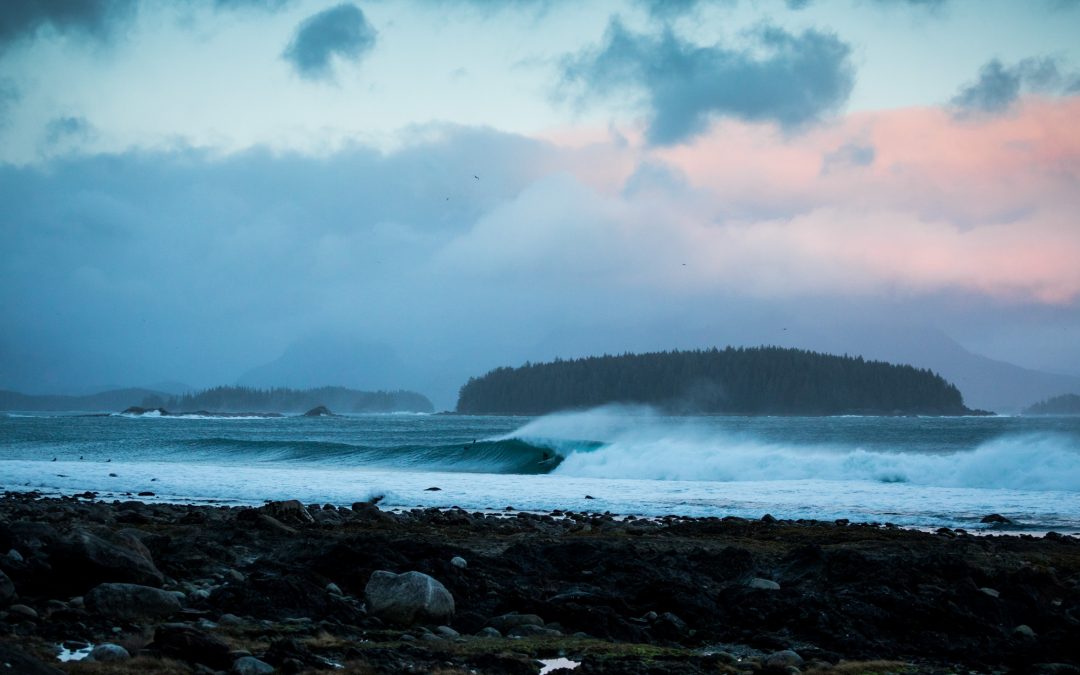
Michael Darling best cold water clips from East-to-West coast Canada

Michael Darling best cold water clips from East-to-West coast Canada
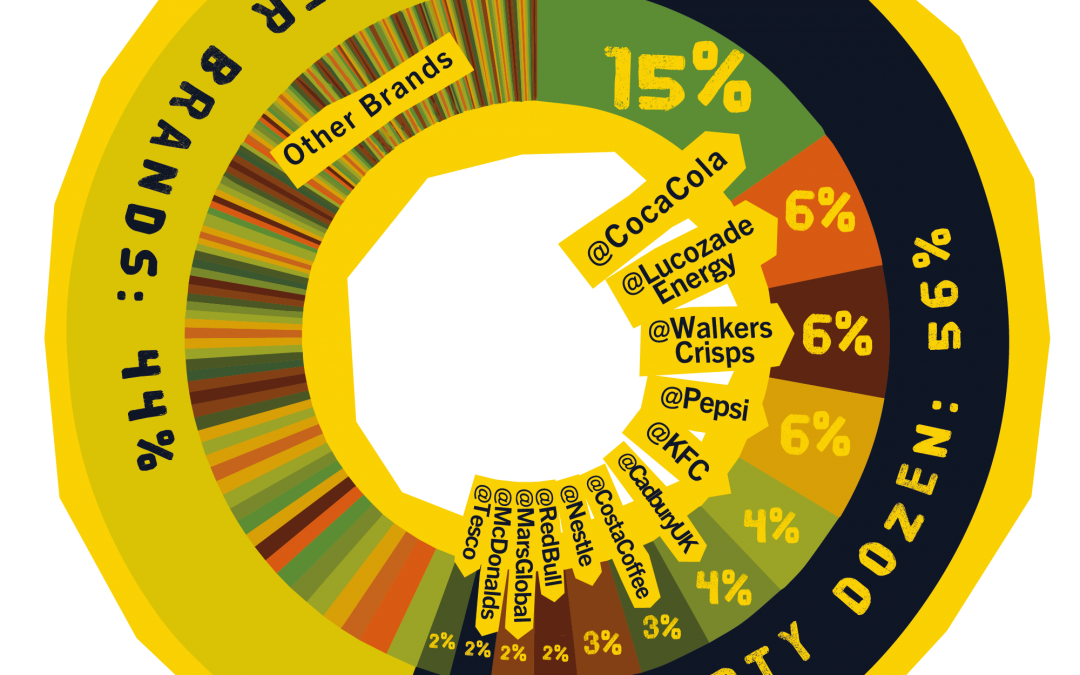
‘The Dirty Dozen’ is responsible for 56% of UKs plastic and packaging pollution
Coca-Cola remains the UKs worst polluter out of 207 brands
Big brands respond to public action but fail to acknowledge the need for single-use plastic reductions and radical recycling solutions
Over the last month, Surfers Against Sewage (SAS) award-winning campaign #ReturnToOffender has been challenging big brands on the volume of plastic and packaging pollution found on beaches and other wild spaces. Thousands of individuals across the UK took part in the digital action documenting the branded plastic and packaging pollution they found during their isolated outdoor activity during the pandemic lockdown*.
The campaign has revealed that just 12 big brands are responsible for over half of the UKs plastic and packaging pollution. Coca-Cola was identified as the worst polluter out of 207 brands, responsible for 15% of the plastic waste recorded. The plastic pollution crisis is choking our rivers, ocean and countryside, and destroying delicate ecosystems and killing marine wildlife.
The #ReturnToOffender campaign calls on manufacturers to tackle plastic pollution and reaffirm commitments to eliminate single-use plastic packaging, support refill schemes, implement circular schemes to reuse and reprocess packaging, and support the accelerated introduction of a deposit return scheme.
As part of the #ReturnToOffender campaign, the public were encouraged to upload images of branded plastic and packaging pollution onto social media, tagging manufacturers and asking for an update on their commitments to stop plastic pollution.
Over 30 brands directly responded to the public messages, nine of which were part of the ‘dirty dozen’. Despite a small number of brands highlighting the action they were taking to reduce their plastic production; the majority of responses simply blamed the general public without acknowledging the systemic and plastic reduction strategies that businesses must adopt to protect the environment and finite resources.
Surfers Against Sewage is calling for a reduction of the production and consumption of single-use plastics. Alongside the environmental action directed at big businesses, the marine conservation charity is also asking the UK government to introduce an ‘all in’ conprehensive Deposit Return Scheme and Extended Producer Responsibility by 2023 to ensure manufactures are responsible for 100% of the costs of their plastic waste management.
As lock-down restrictions lift and the public return to their most-missed environments we are already seeing a vast increase of plastic and packaging pollution on UK beaches. This highlighted the sheer scale of single-use plastics being pumped onto the market and into public hands without sufficient recycling systems to contain and control the ‘wave of waste’.
The SAS ‘post-pandemic pollution poll’ has highlighted the main actions the public want to see in order to tackle the issue with the results ranging from education on the impacts of plastic to a reduction in plastic production. As the UK emerges from the Covid-19 pandemic, it is vital that we ‘build back better’ and ensure that big business is held truly accountable for the full life-cycle of their products and the pollution they cause.
Amy Slack, Head of Campaigns at Surfers Against Sewage says: “Anti-littering campaigns will be set for further failure unless the root causes of plastic pollution are addressed through a radical change in our approach to materials and recycling systems. Big business continues to put profits ahead of preventing plastic pollution and we urge them to deliver fast and meaningful action today to protect the planet.
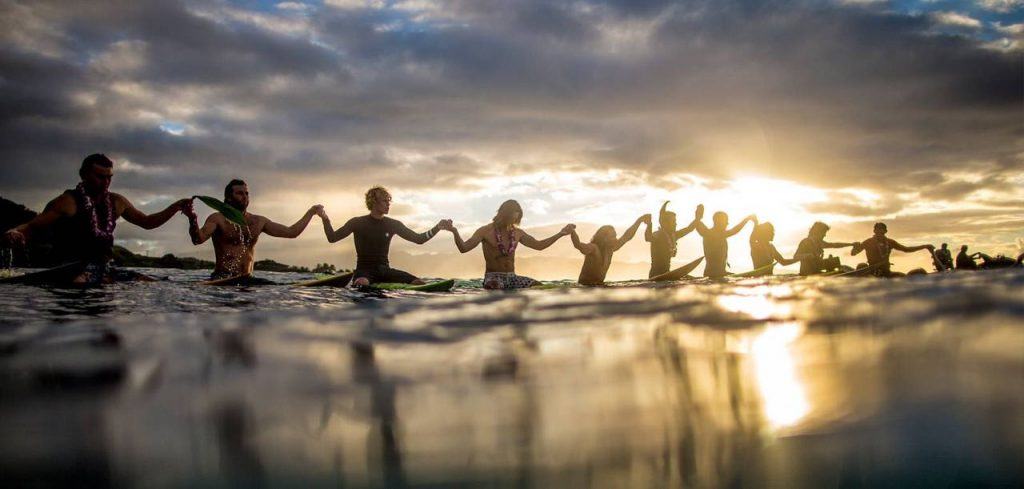
Paddle out for Chops Lascelles
The paddle out has become engrained in surfing tradition, a privilege reserved to make the memories and lives outstanding local and international surfers. They had never really had much mainstream coverage. But this Friday Sarah Cudden will air her programme ‘The paddle out” on the BBC World Service. It has been two years in the making, Steve England thought he’d asked what she had learned.
Do you surf?
I’ve been out on a surf-board and I love being in the sea and body boarding but I couldn’t call myself a surfer. I’d love to have the time to really learn at some point.
What got you interested in paddle outs?
I don’t live by the sea but I spend time in the sea whenever I can. It was during a conversation with a surfer friend that I first heard about this idea of a paddle out memorial. I’ve always wanted to have my ashes scattered in the sea and so the idea of a memorial ritual out beyond the breaking waves really caught my imagination. It sounded so beautiful and joyful.
Without giving too much away where did you find the origins?
It’s hard to trace the origins of the paddle out memorial but the idea probably comes from Hawaii. The first big paddle out which drew global interest was the paddle out for legendary Hawaiian big wave surfer and life-guard Eddie Aikau in 1978. Eddie was the first lifeguard at Waimea Bay on the island of Oahu. He saved many hundreds of lives and rode some of the biggest waves anyone has surfed. He drowned getting help during a canoeing expedition in 1978 when the crew were struck by a storm. But his body was never found. After this thousands of people, all over the world, gathered to honour him. They decided the best way to remember him was to take a surf board and paddle out into the ocean where they told stories about him, released flowers into the wind and shouted his name into the waves. An annual paddle out is still held for Eddie each year, led by his brother, the big wave surfer Clyde Aikau who contributed a wonderful interview for our BBC Radio programme.
Andy Irons Paddle out
I have heard some comment that this is cultural appropriation, but to me I think the culture is surfing that clearly still acknowledges and celebrates its roots in Polynesia?
Having spoken to many surfers all over the world about their experiences of memorial paddle outs it seems the ritual has been embraced by some many different peoples it must be seen on a human, spiritual level rather than viewed through the eyes of a single ethnicity, nationality, or faith. The surfing world includes people from such a huge diverse range of experiences and backgrounds but also many of those who have participated in memorial paddle outs are not necessarily surfers – they are individuals who wish to celebrate the life of someone they knew and loved in this special way. While the ritual may have its roots in Polynesia – where the ocean has a particular spiritual force for people – I think it has been not so much appropriated as celebrated and embraced by many others around the world.

Eddie paddle out
What were Clydes views? He is a member of highly respected Hawaiian family.
Clyde spoke brilliantly and profoundly about his passion for the ocean and for memorialising a loved one in this way. You must listen to our radio documentary to hear this legendary big wave rider speak and share his thoughts and memories!
Who did you speak to? Some of those people we spoke to were surfers from Cornwall who participated in a special memorial paddle out for a young Newquay resident who died from cancer back in October 2019. We went to Fistral Beach to record this very special paddle out memorial. We also spoke to Mikhail Thompson who runs a surf school just outside Cape Town and has administered a number of paddle outs during his lifetime. And of course to Clyde Aikau.
T
This has been almost a year in the making. Has it been a worthwhile project?
It’s been a great privilege to make this piece for Heart and Soul for the BBC World Service. It’s opened my eyes again to the many beautiful and meaningful aspects of surf’s cherished culture and to the power and pull of the sea.
The Paddle Out and it goes out on the BBC World Service this Friday 26th June at 13.30 and again at 22.20 and will then be available on the BBC iPlayer page for some time …
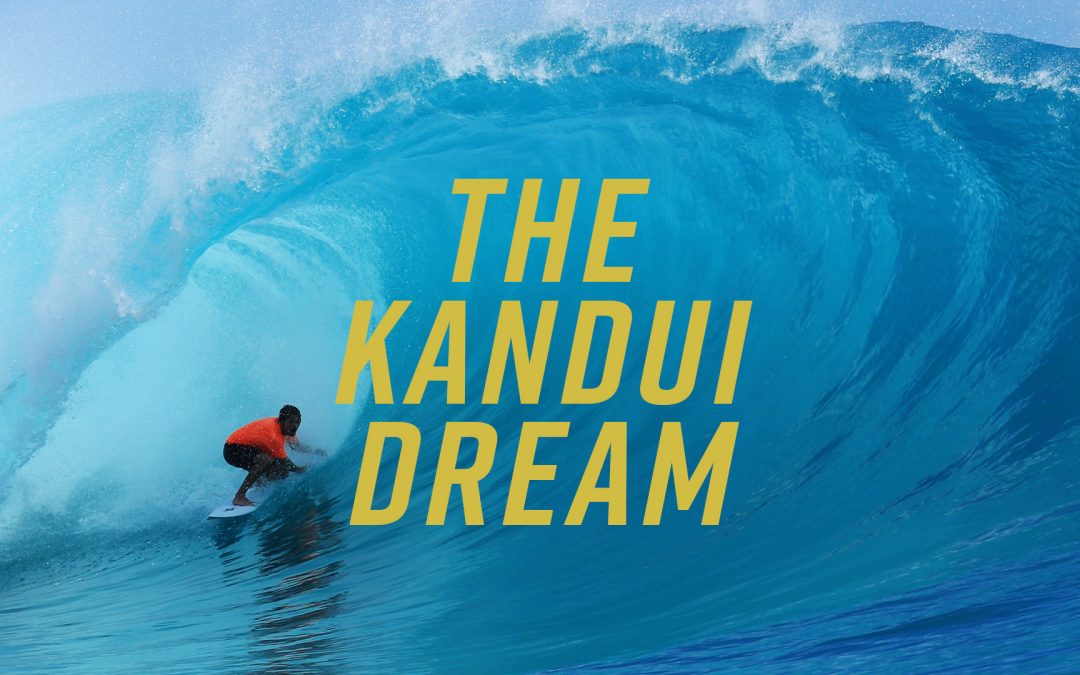
In times where travelling is restricted we gotta sit back, relax and throw back to some of the best sessions of the last few years. Kandui is one of Nics favourite spots around the globe, this hollow, fast, long barreling left fits right into his alley.
His Orange shirt Kandui Session in 2017, was one for the books.. that’s why we are bringing it back still today
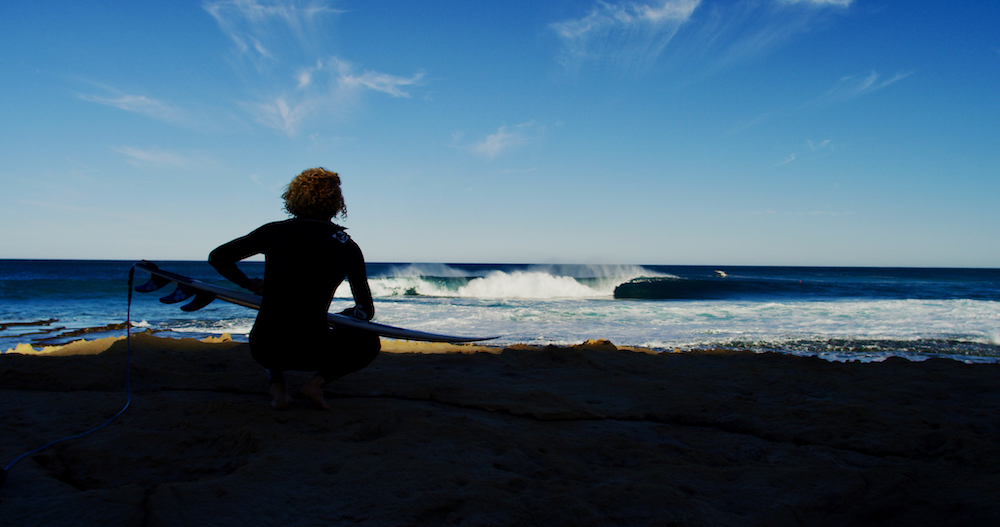
Noah from Morgan Maassen on Vimeo.
Like many adolescent surfers aspiring to one day make it to the pro ranks, Noah “Waggy” Wegrich’s path sprouted in the competitive landscape. That was until he saw a different avenue through the free surf world. Noah’s eclectic approach follows him every time he jumps into the ocean. Whether he’s threading tubes, launching huge airs, or drawing unique lines, Noah has a wide array of tricks up his sleeve. As he mentions, “It’s a blank canvas. Every time you go surfing, you can do something new.” At age 26, Noah continues to reside in Santa Cruz, California, and is finding himself traveling the globe chasing down any surfing adventure that presents itself.”
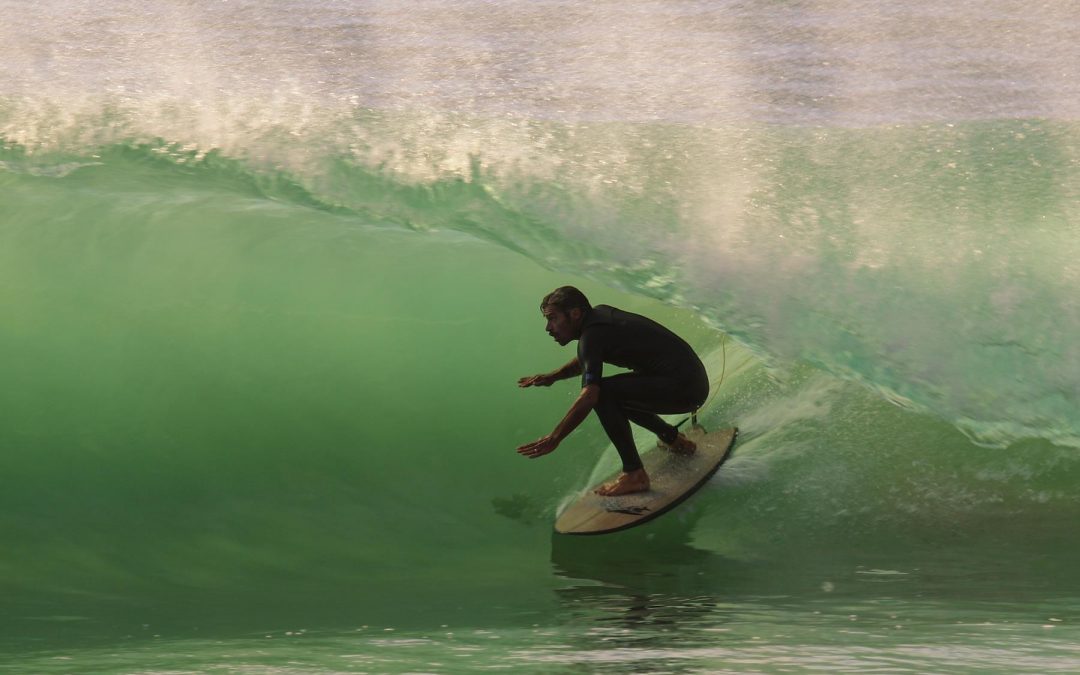
Inside This Soft World was shot on a single North Coast autumn day and is fairly typical of how Dave and Nathan work.
“We try and be subtle and zig while everyone’s zagging,” says Nathan, who managed to zig and zag and find enough clear water to avoid a single other surfer appearing in frame.
“I’m not really the full-time camera guy so the shooting relationship is more relaxed. We rock up separately and I’ve always got a towel around the tripod and I slip in and slip out. It’s never a production. We try and stay incognito. Dave is the master sandbank bloodhound, he sniffs them out, whispers about a little corner at such and such and he always goes for a little surf check on dark to see what the sands doing for the following morning. We go to the spot with a million closeouts and one good one, as long as there’s nobody there.”
Unlike much of Nathan’s other work, there is no higher meaning with Inside This Soft World. It’s simply Dave, surfing on a Wednesday morning… which can be argued implicitly has its own higher meaning.
“He’s so unhurried with a real economy of movement,” offers Nathan. “You know how dancers talk about ‘first position’, that stance or pose where they can spring from? Dave has that down. His first position is easy on the eye and he can be standing there relaxed, unhurried, in first position then he’ll just drop a hammer and blow your mind. It’s hard for me to edit it out, it’s the space between the notes, that’s where the music happens with his surfing.”