Dreams & Nightmares

Dreams & Nightmares

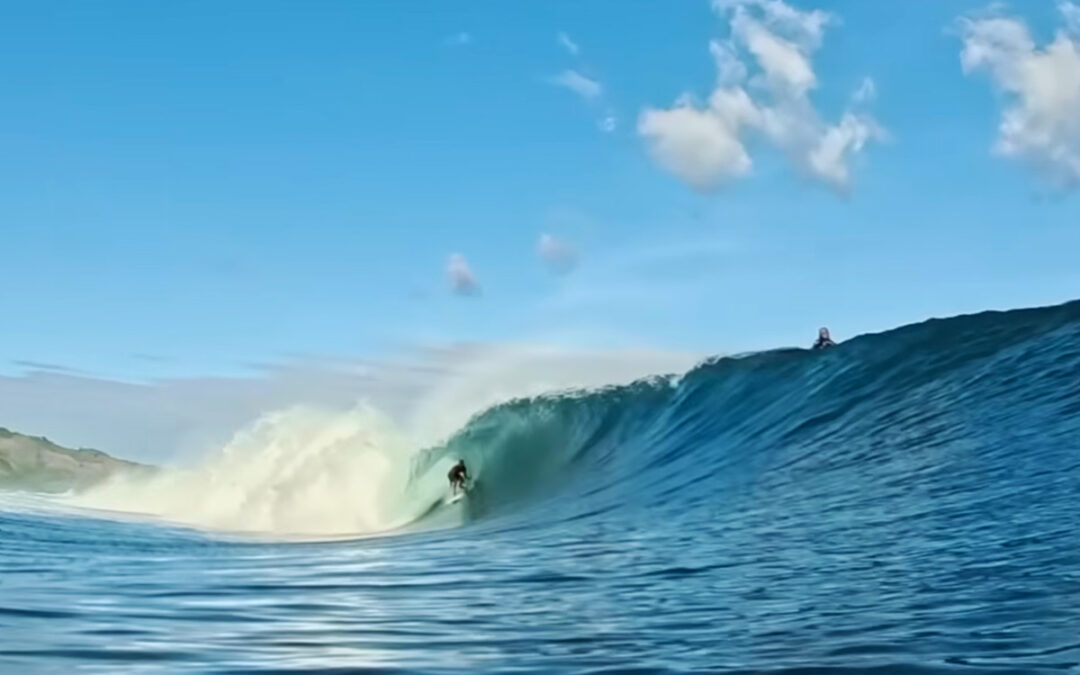
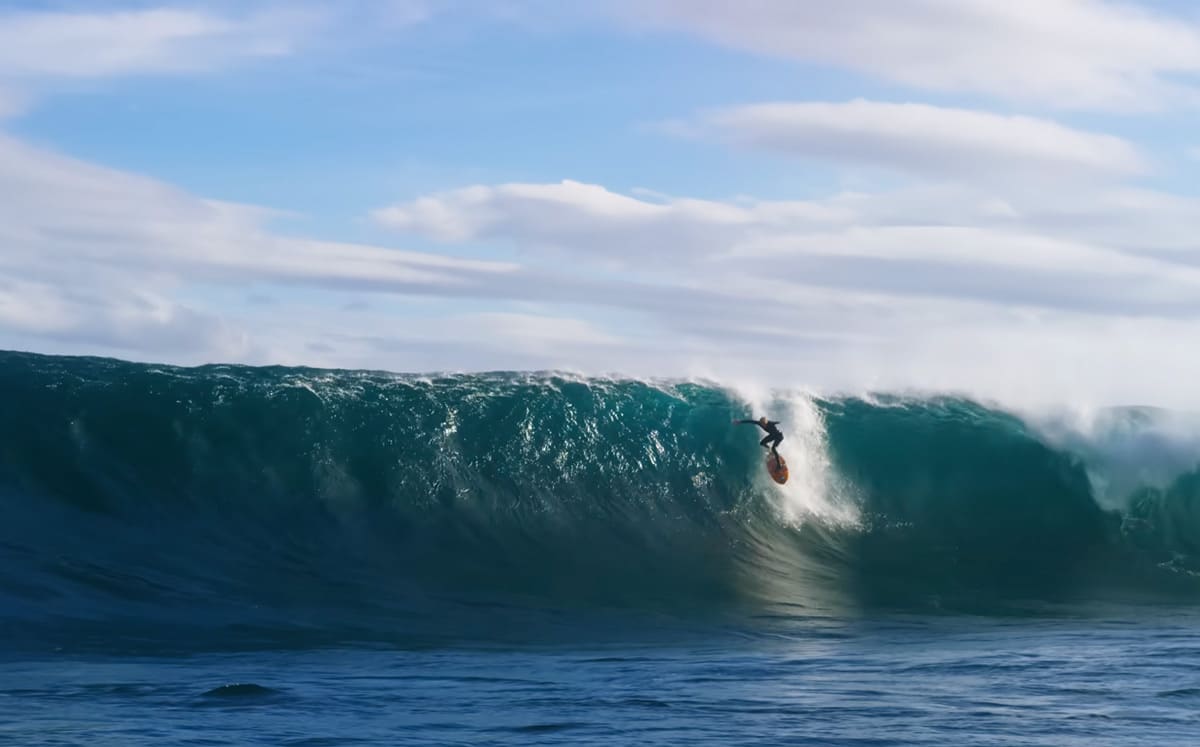
I’ve spent decades documenting some of the heaviest slab waves in Australia, and every now and then a day comes along that reminds you why you keep chasing these storms.
 
This swell at Cape Solander was one of those days.
 
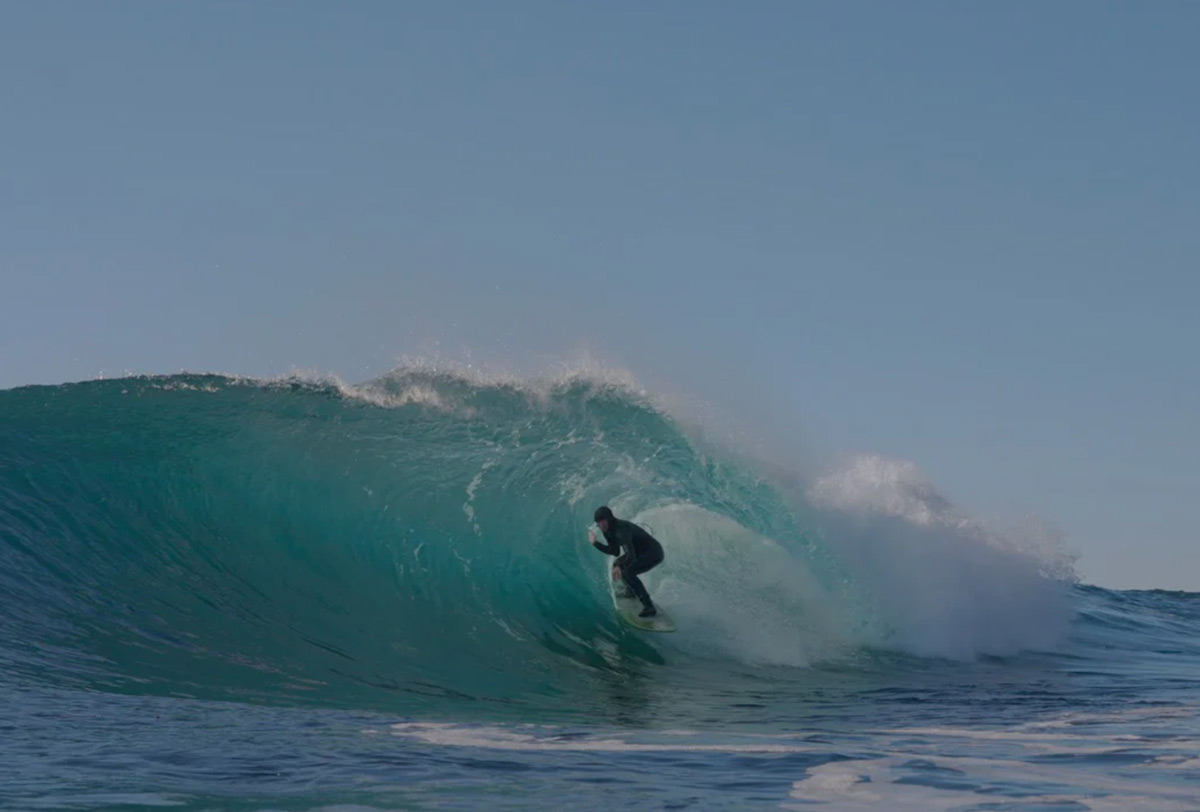
Just 90 minutes from my home in Sydney, Cape Solander is one of the most dangerous and unique waves in the country. The reef sits right beside the rocks, the take-off is thick and unforgiving, and when an east to north-east swell hits the reef, the wave detonates — often with a wild backwash bouncing off the cliffs for good measure.
 
It’s raw. It’s unpredictable. And when it’s on, it’s absolutely world-class.
 
This particular swell had been on the radar 7–8 days out, and the hype started building early. Local legend, shaper and slab hunter Dylan Longbottom organised two of the best watermen on the planet to fly in from Brazil — Lucas Chumbo Chianca and his good mate, skimboarding powerhouse Lucas Fink.
 
The pair arrived the day before the swell and Dylan wasted no time, towing them straight into some of the biggest, chunkiest barrels you’ll ever see at Solander.
 
When a forecast like this lights up, word spreads quickly. The buzz around this swell brought out some of the best slab hunters on Australia’s east coast.
 
Two of the most experienced Cape Solander chargers — Richie Vass and James Adams — towed each other into some incredible waves, while the next generation stepped up as well, with Lex O'Connor, Chase Hardaker, and even Big Wave Ride of the Year winner Tom Myer's also grabbed the rope.
 
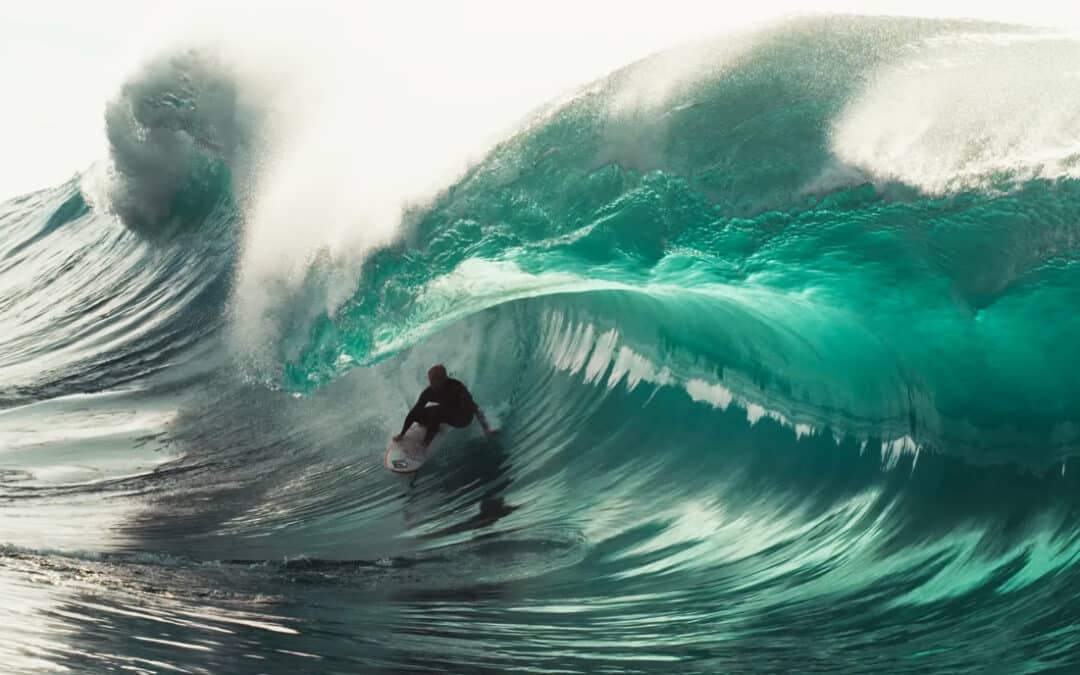
From perfect, grinding barrels to brutal wipeouts, this session shows exactly why Cape Solander has become one of the most respected slab waves in the world.
 
This edit captures the power, the chaos, and the commitment it takes to ride waves like this.
 
Tim Bonython Productions
Enthusiasts Now Playing

Enthusiasts Now Playing

Everyone surfs now. Everyone travels. Everyone performing for the scroll.

Enthusiasm is a strange disease. Missing flights. Breaking boards. Hitting the same section again and again. Chippa Wilson and Eithan Osborne are not normal surfers.Two high functioning surf savants. Occasional geniuses.

This film is a small hit of that condition. Long days filming. Warm water delirium. Bintang admirers.

A short document by Jackson Jones on modern enthusiasm.

Press play.

Insane French Pits

Insane French Pits

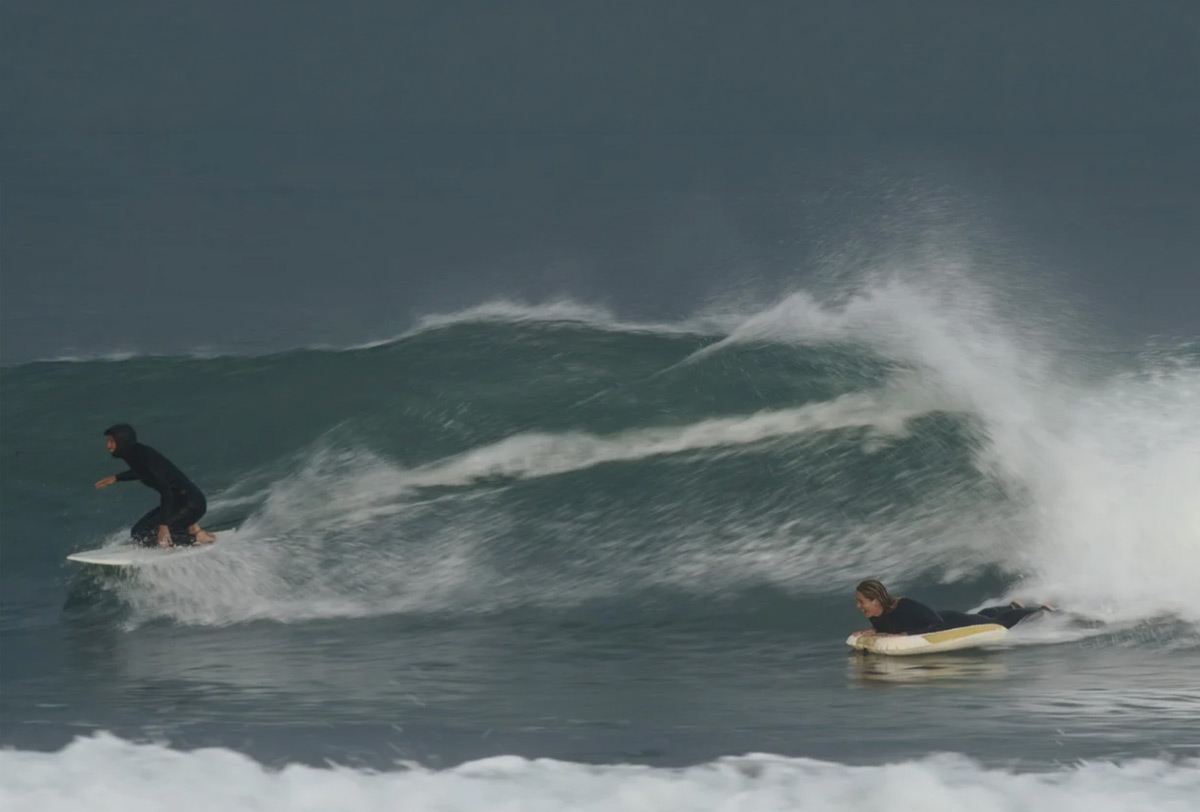
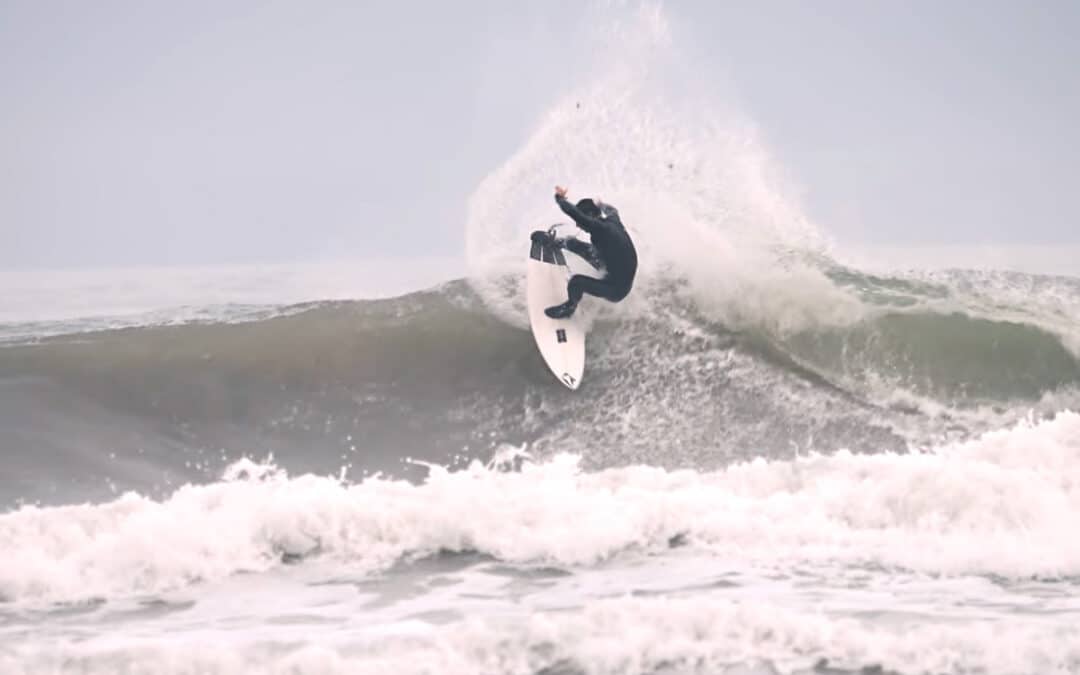
Hossegor delivered one of the best surf days seen in years. Massive barrels at La Nord and wild caverns at La Gravière.

After one of the quietest winters in recent memory, the French coast finally came alive. Last Wednesday brought the kind of surf locals will be talking about for years.

At low tide, La Nord in Hossegor turned into a full-blown barrel machine — massive waves, perfectly shaped tubes, and powerful lines running down the sandbank. As the tide pushed in, the action shifted to La Gravière, where the bank sat exactly where surfers dream of it. Deep caverns, heavy drops, and relentless barrels lit up the afternoon.

Days like this are rare on this beautiful but notoriously fickle beach break. After such a timid winter, it feels like a return to the kind of surf Hossegor is famous for. Welcome to Hossegor, France — the European barrel capital.

Meet Glen Horn

Meet Glen Horn

A secret spot in Baja California, hundreds of miles from civilization. A old milk van converted into the perfect surfing mobile. A 67-year old man, at the peak of his physical fitness and in line with mother nature every step of the way. "The Bull" is the story of San Diego surfing legend Glen Horn and his journey to an unconventional lifestyle.

Winner- "Best Picture" Short Film Category- Carolina Surf Film Festival
Winner- "Best Documentary" Short Film Category- Florida Surf Film Festival
Winner- "Audience Award"- Portuguese Surf Film Festival
Winner- "Filmmaker Award, Audience Appreciation" - Save the Waves Film Festival Tour

Director: Eric Ebner
Written by: Eric Ebner
Starring: Glen Horn
Editor: Eric Ebner
Music: Small Houses
Cinematography: Eric Ebner
Aerial Cinematography: HV Adventure

Watch: Lost in Central

Watch: Lost in Central

A Film by Jordy Liackman and Cooper Puttergill.

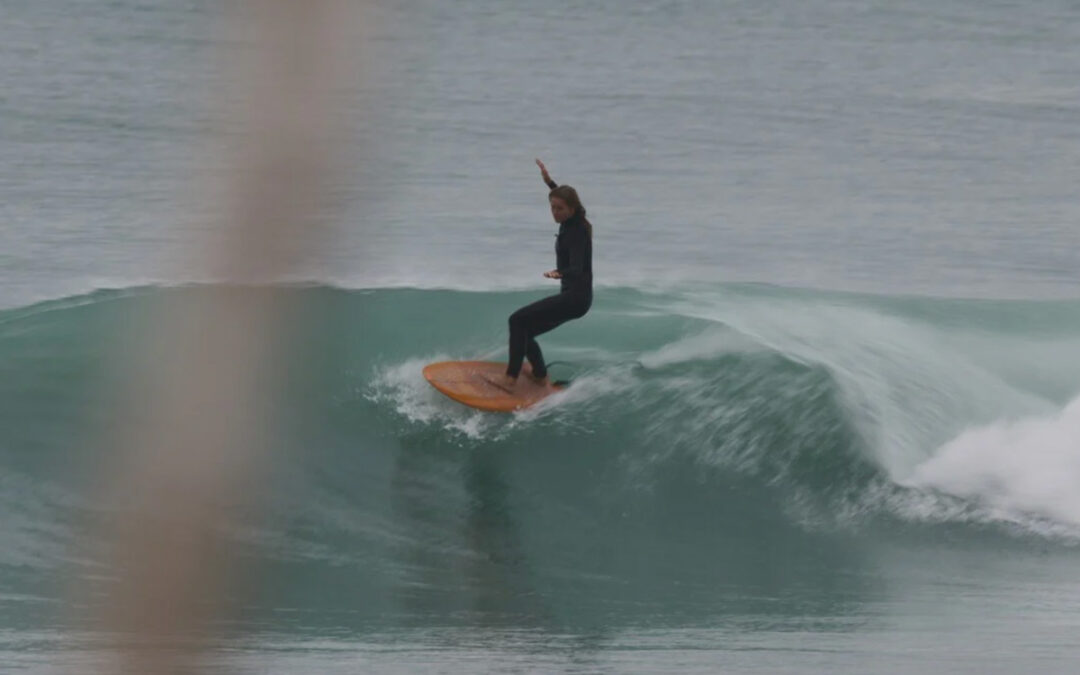
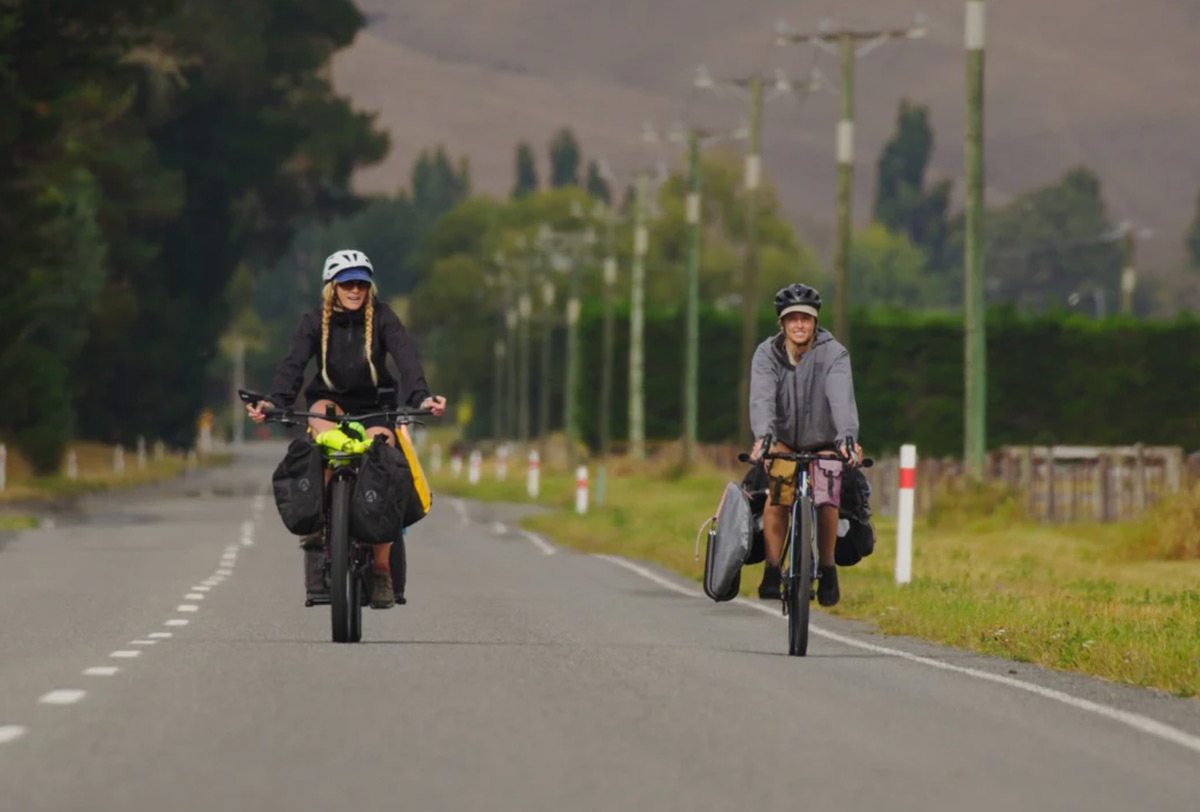
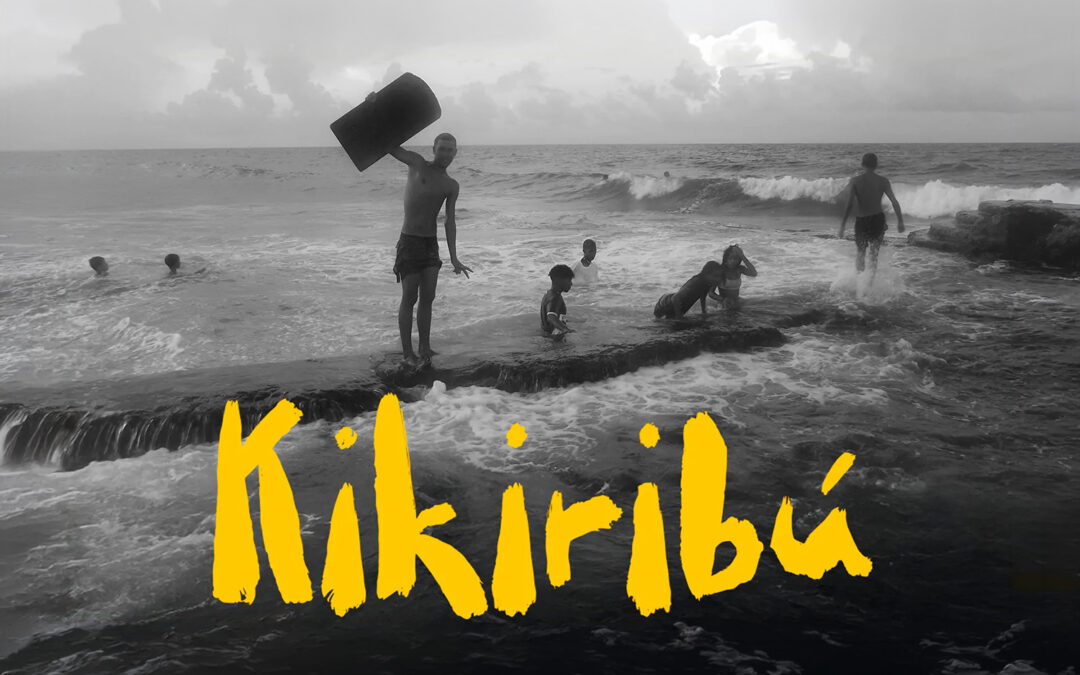
Two surfers. Four countries. A borrowed camera and a $500 budget. That’s the backbone of Lost in Central, a new surf film documenting three months on the road across Central America in search of waves — and whatever came with them.

Following on from their previous project African Surfari, the filmmakers flew straight from South Africa to Mexico with little more than a loose plan and the determination to make something better than the last film. What followed was a raw, unpredictable journey through Mexico, Guatemala and Nicaragua — built on long days waiting for waves, chaotic travel, and a crew that slowly formed out of strangers met along the way.

Below, the filmmakers explain the story behind Lost in Central in their own words.

Lost in Central came from three months on the road through Central America chasing waves with no crew, no real budget and no safety net. After finishing African Surfari in South Africa, we flew straight to Mexico knowing we had set ourselves a serious task. We had no structure, no roadmap and no filter. Just a vision to make something better than the last one and figure it out as we went.

From day one it was raw. Everything was filmed between the two of us. One surfing, one filming. Then straight back to the beach to swap. Hour after hour. Some days the waves were only good for a short window which meant sitting on the sand all day just to bank a couple of clips. After pouring most of our money into South Africa and that edit, we arrived in Mexico low on funds.

Our film budget was five hundred dollars thanks to Mambo. We had a borrowed camera and a tripod. That was it.

There were days we walked off the beach with nothing. Long days in the sun grinding for a single turn or barrel. But the grind became the story. The people we met along the way made this film possible. Through fun waves and cheap Coronas we built a crew without meaning to. Locals, travellers and complete strangers would see us filming and offer to take shifts behind the lens.

We would spend half an hour teaching someone how to zoom, how to frame a wave and how to pick us out in a crowded lineup. The next minute they were locked in, filming for hours.

Josh Hartge and Josh Knight put in serious hours. Some days our only way of saying thanks was shouting them a five dollar dinner from a local tuck shop. It was not much, but it was what we had.

By the end there were days where ten of us would be posted up under palm trees. Boards everywhere, someone surfing, someone filming, someone laughing in the sand. It felt like a travelling crew that formed out of nothing. Without those people Lost in Central does not exist.

The travel was a grind in itself. Chicken buses that were meant to take four hours turned into fourteen. Boards tied to taxi roofs with skimp rope. Border crossings where we had no idea if we were going to get through. Money exchanges that went wrong. Taxi drivers trying to double the fare in the middle of nowhere.

It was chaos. It was uncomfortable. It was real. And it made every wave feel earned.

In Guatemala we ditched the boards and climbed Acatenango, one of the most active volcanoes in the world. It had been high on the bucket list. We reached basecamp and watched smoke roll from the crater. That night the talk around camp was that the summit might be too dangerous the next morning.

At three in the morning we woke to howling wind and freezing conditions. The guides were sceptical. We said if there was any chance we were going.

Headtorches on, barely able to see a few steps ahead, legs cramping, struggling to breathe. Full survival mode. After hours of pushing we made it to the top.

No lava. No sunrise. No view at all.

Just fog and wind.

It was not what we imagined. But it hit harder than any view could have. Not every mission comes with a reward. Sometimes showing up is the point.

By the time we reached Nicaragua we were over being limited by public transport. We found a tiny cheap two wheel drive car. It was small, battered and swayed in the wind with fifteen boards strapped to the roof. We drove it everywhere.

Every checkpoint we were pulled by police trying to pin us for something. We blew a tyre in the middle of nowhere. The key barely worked. The battery was shot. Most days we would lock ourselves out, break back in and set off a siren that would not stop screaming until we smashed the unlock button enough times for it to calm down.

It became known as the car that would not shut up.

At The Boom we had two options. Walk through a mosquito infested track or drive ten minutes along soft sand in a two wheel drive. We drove it.

Our theory was that zero point six metres on the tide was the magic number. If we hit the beach before that, the sand was hard enough to make it. To get off we had to wait seven hours for the tide to come back.

We got bogged more times than we can count. One day we buried it so deep the chassis was resting on sand. We had snapped boards under the tires for traction and tried for three hours in the midday heat.

Eventually four of the lads rode down on their motos and helped lift the car out. It was chaos and it was hilarious.

That little car became part of the story.

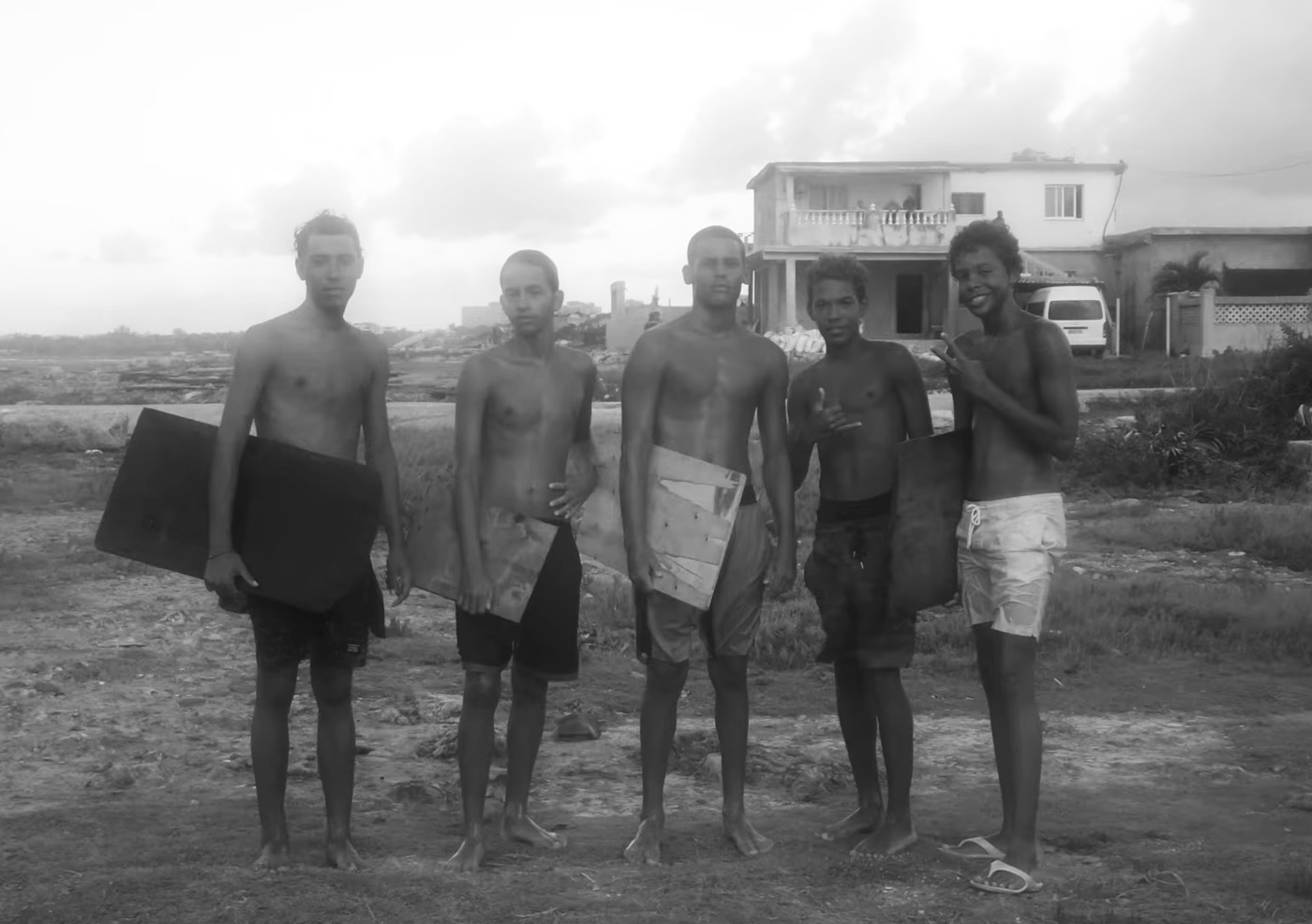
Then there was the part that changed the tone completely. We were scoring world class waves in places where many locals did not have the access or money to surf. Kids lined the roads but none were in the water. It sat heavy with us.

So in Nicaragua we went into a local village with a board and met a group of kids frothing to try it. With almost no shared language we walked down to the ocean together and paddled out. Hand signals, wipeouts, smiles and pure stoke.

For a moment nothing else mattered.

We finished the trip by gifting them the board. It felt like the right way to close the loop.

Lost in Central is not polished. It is not backed by a big crew. It is two twenty two year olds filming each other across four countries, grinding through chaos, relying on strangers, swapping shifts in and out of the water and figuring it out as we went.

It is world class waves mixed with border stress, volcano missions with no payoff and a screaming hire car that refused to die.

It was messy.
It was underfunded.
It was hard.

But it was real.

And that is why it matters.

From the Shed: Finale

From the Shed: Finale

The final episode of From The Shed features Malcolm Campbell and his son, Jacob Campbell, of the legendary Campbell Brothers.

Filmed above Rincon Beach at the Creators Gathering, the episode follows Malcolm and Jacob as they shape a Bonzer and reflect on the Campbell Brothers’ pioneering role in surfboard design. Growing up on the Oxnard coast, Malcolm and Duncan Campbell helped develop some of the earliest thrusters in surf history, forever influencing modern performance surfing.

With rare archival footage and historic imagery, the episode dives into the origins of the Bonzer and highlights the iconic Russ Short model, tracing its legacy through decades of innovation and wave-riding history.

This installment closes out the From The Shed series with a story of experimentation, heritage, and the evolution of surfboard design.

FILMED & EDITED: ‪‪@brian_elliott‬
ADDTL FOOTAGE: Thomas Campbell & ‪@jack_colemang‬
INTERVIEWED BY: Thomas Campbell
ORIGINAL MUSIC BY: Jack Rose