But it get things wrong.
The science is somewhat clunky and many statistics outdated. In particular, the claim that our ocean will be ‘virtually empty by 2048’, which comes from a 2006 study by Boris Worm of Dalhousie University, has been widely questioned given efforts to protect and restore some fish populations since its publication. In seeking to try and match any fact with a conspiracy, the result is often hyperbole. And the solution is of course not as binary as the documentary’s simplistic conclusion that we should just stop eating fish.
Without a doubt, we currently harvest and kill too many of most, if not all, fish species. Over 90% of fish populations are overfished or fished to capacity. This is absolutely unsustainable. Indiscriminate fishing techniques such as industrial bottom trawling wreck our marine ecosystems in their entirety. Moreover, we fish everywhere in our ocean - even in so-called marine protected areas. Fish populations have very few, if any, true ocean sanctuaries where they can survive, breed and thrive, revitalising and restoring their populations to resilient levels.
However, there is a risk that the film undermines the genuine and progressive work of many brilliant marine conservation charities who are calling for the very same protections for the ocean and fish populations that the filmmakers are now calling for. We also need to recognise that progressive sustainable fishing practices will be a vital part of creating a new approach to preserving and restoring Planet Ocean. The wonderful thing about the marine ecosystems is that they rebound so quickly and abundantly, if allowed.
One other concern with the documentary is that it diminishes the importance of getting a grip on consumer and corporate plastic pollution, with a monotonal focus on fishing as the only real contributor to the ocean plastic. We all have a role to play in turning the tide on plastic, not just the fishing industry.
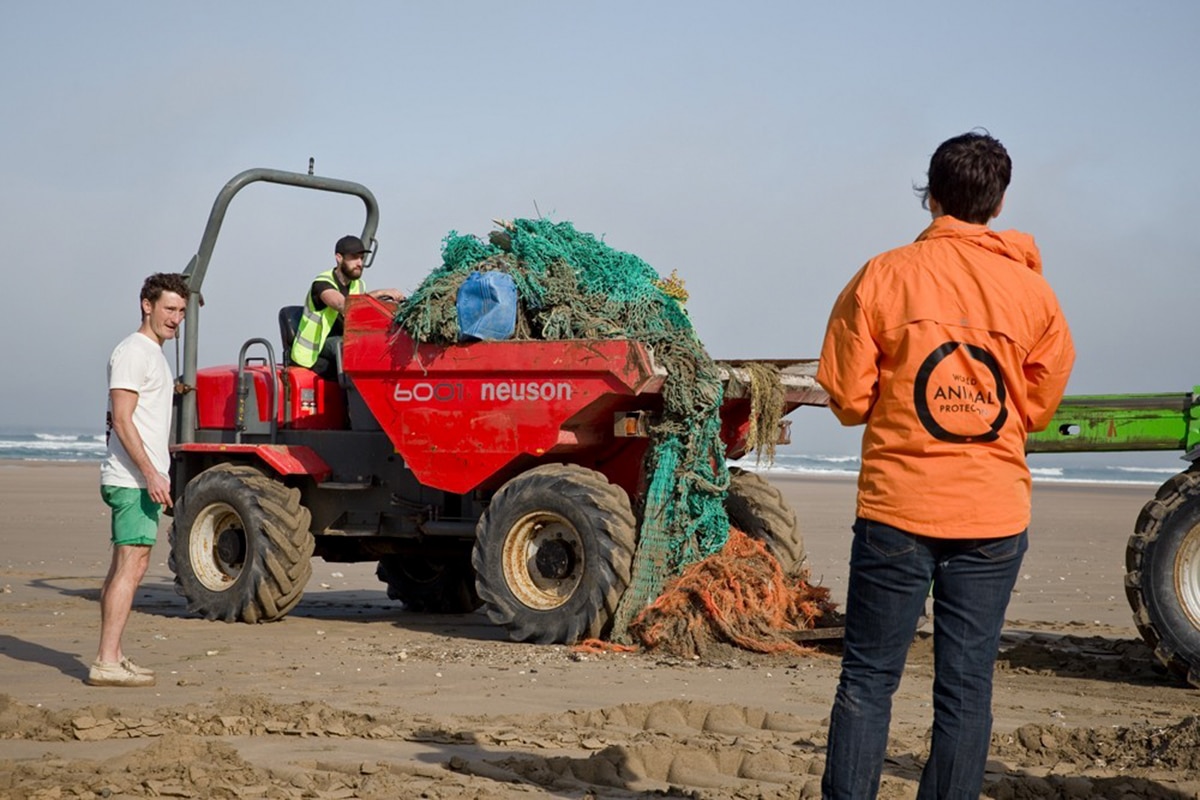
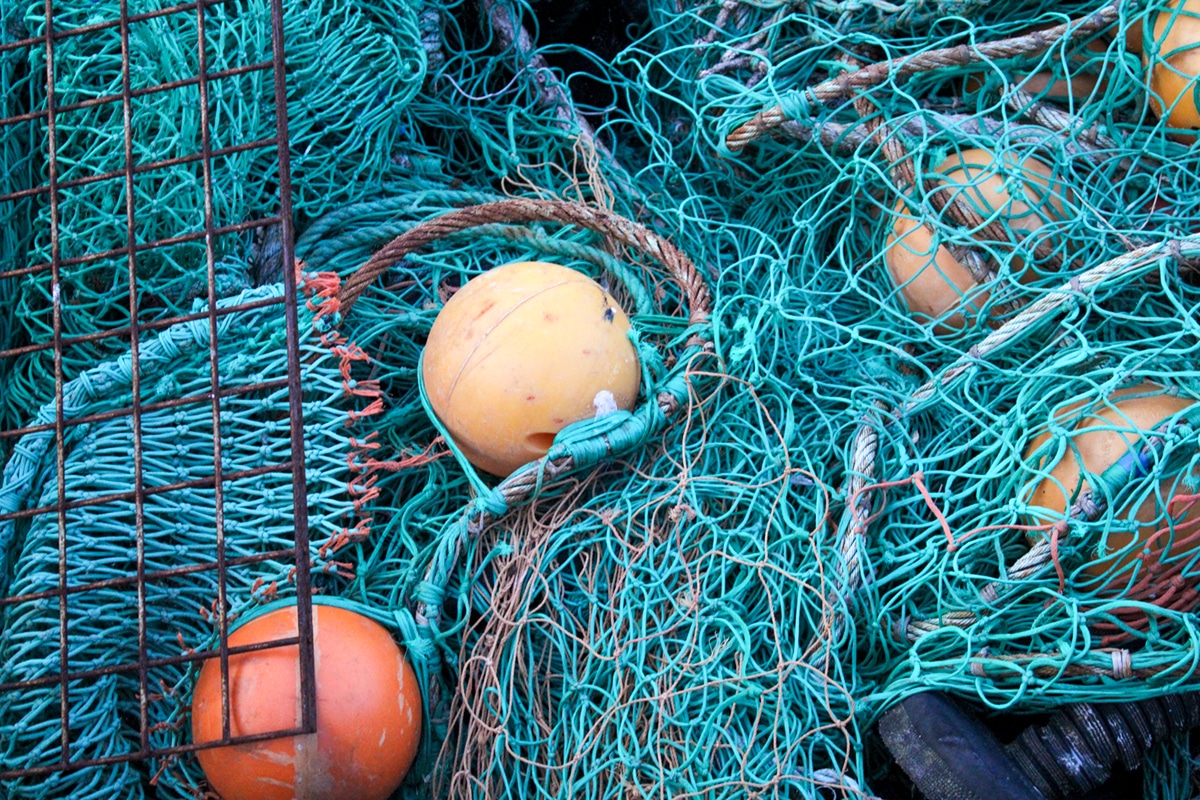
Ghost gear is the term used for abandoned, lost or discarded fishing gear that can continue to catch fish and other wildlife for years. Monofilament line is almost invisible and cannot be detected by sight or echolocation. Along with trawl net, it is extremely tough; once an animal is caught, even one with the strength of a whale, it cannot break free. Every year, 640,000 tonnes of ghost fishing gear is lost or discarded in our oceans, killing and injuring hundreds of thousands of seabirds, mammals and other forms of sea life.
It's a horrendous problem, and far from conspiratorially being something Surfers Against Sewage were keen to avoid talking about, the issue of plastic pollution from the fishing industry is something we’ve been working on and shouting about for years. In 2014, we released the Marine Litter Report in collaboration with World Animal Protection, which highlighted the devastating impacts of ghost fishing gear.