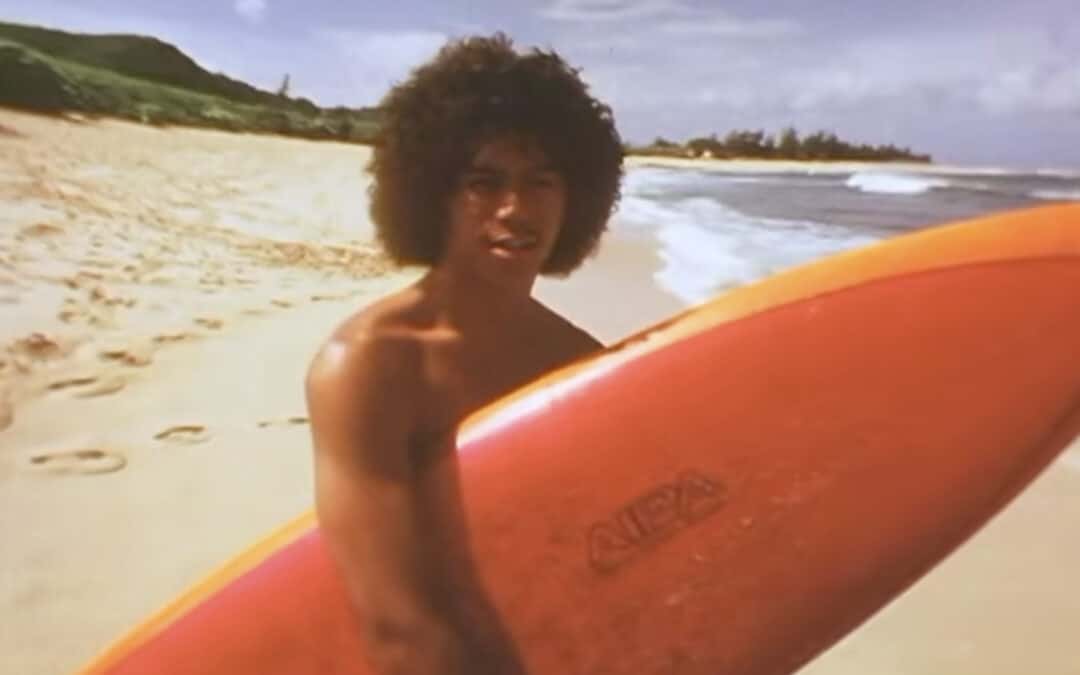
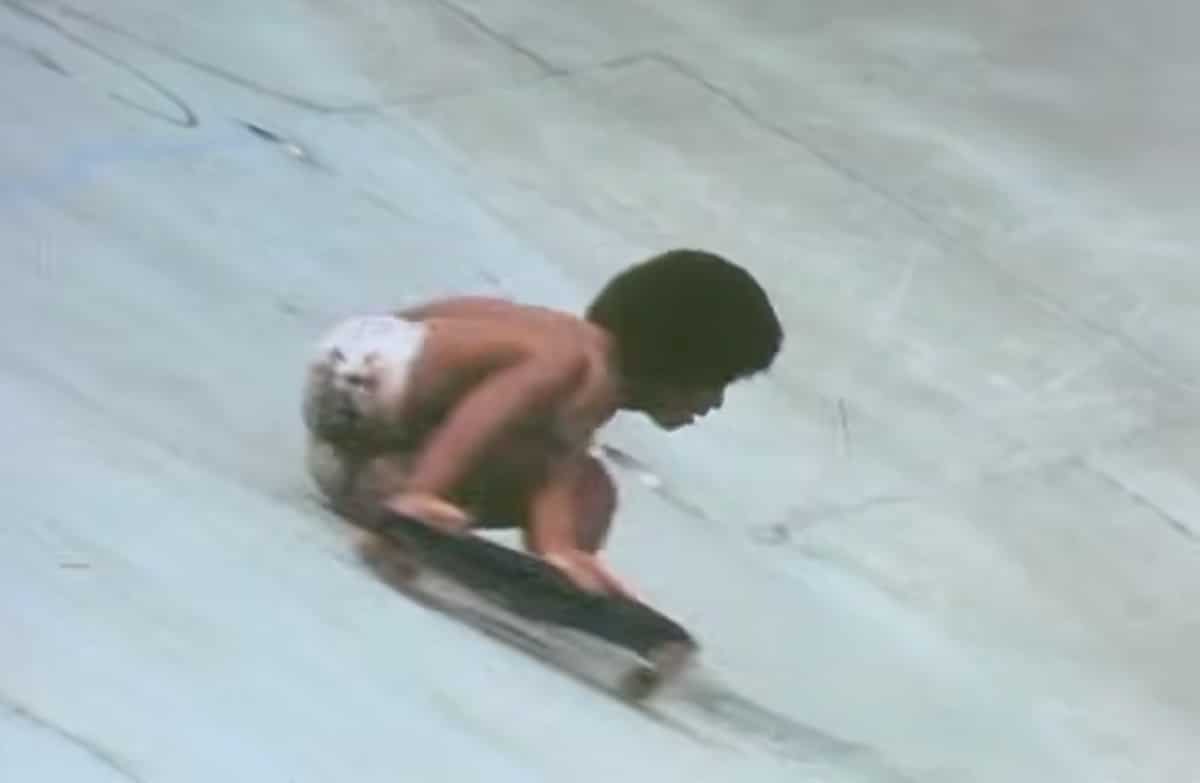
Legend Larry Bertlemann Passes

Legend Larry Bertlemann Passes

Take Your Surfing to the Next Level with Beau Bromham

Take Your Surfing to the Next Level with Beau Bromham

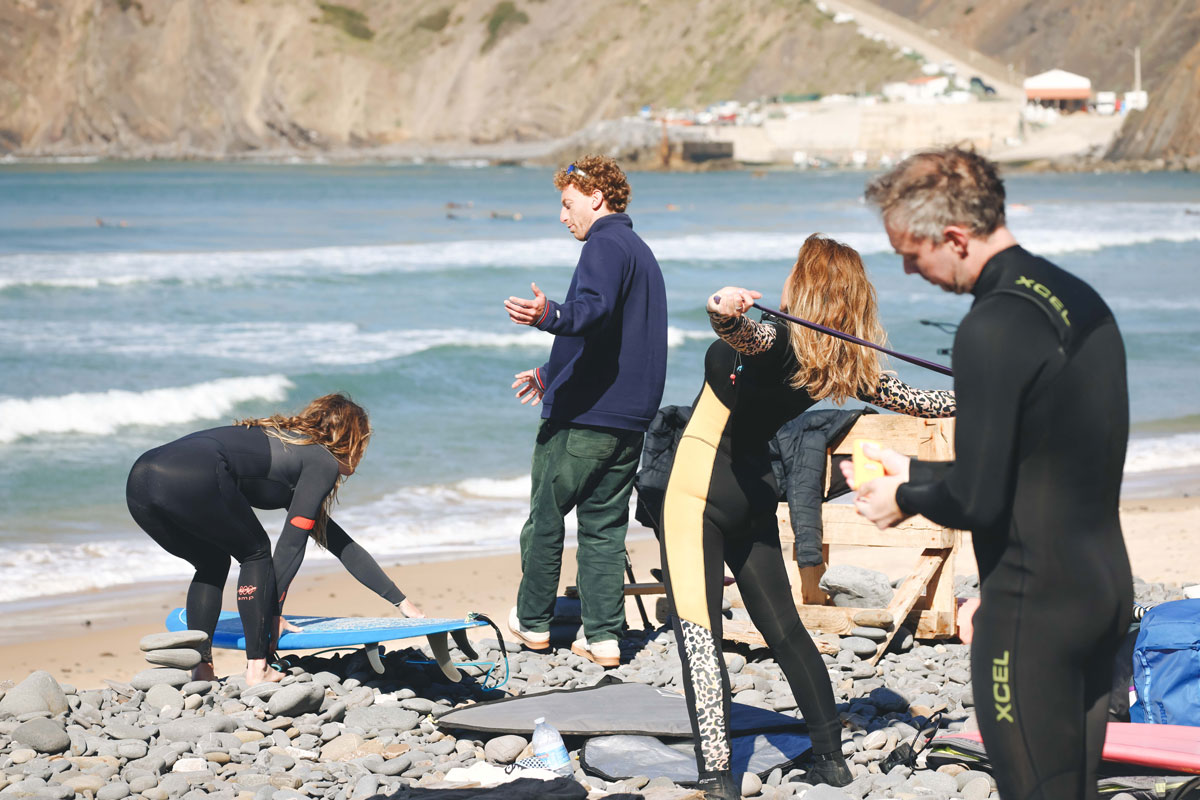
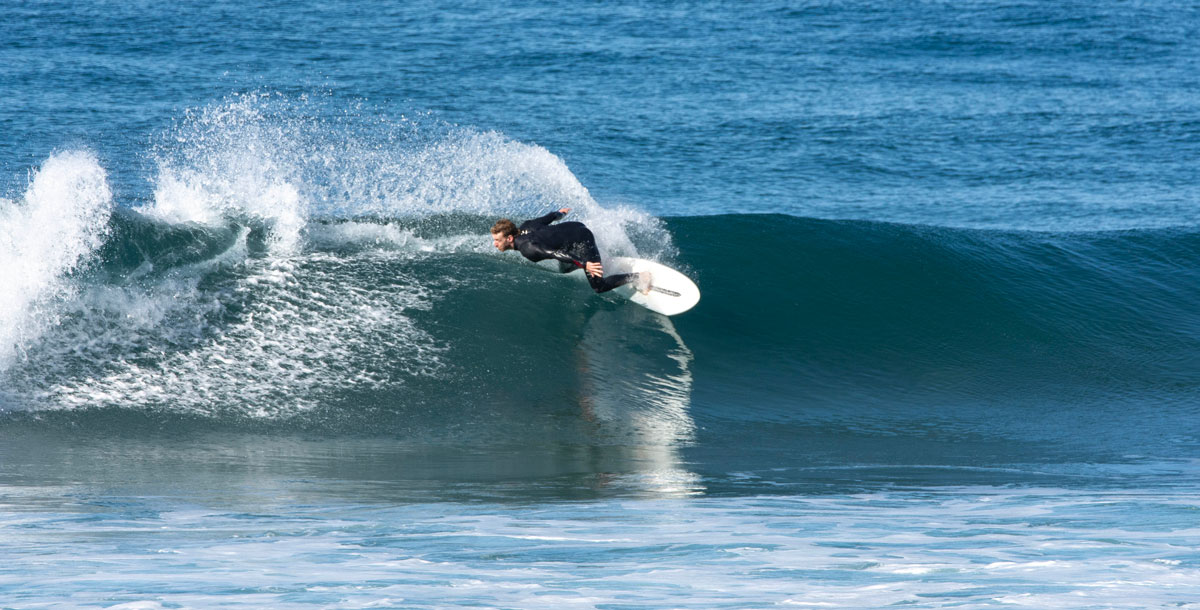
Ready to break through that surfing plateau? The Surf Experience is teaming up with professional surf coach Beau Bromham for a series of intensive training weeks in Portugal. Aiming at both female and male surfers the training courses are designed to help experienced surfers improve their technique, build confidence and take their surfing up a notch.

If you've got a few manoeuvres under your belt, but somehow your surfing doesn't seem to be progressing. Sometimes all it takes is a fresh perspective, some expert feedback and a week of great waves to make a real difference.

That's the idea behind The Surf Experience (TSE) bootcamps, which bring professional-level coaching to everyday surfers in a fun, relaxed environment. With limited places on each camp, there's plenty of individual attention and the opportunity to focus on the areas of your surfing that need the most work.

The camps take place in the Algarve, Portugal, with three training weeks scheduled for November, December and March 2027. With its mild climate, consistent Atlantic swells and variety of surf breaks, the region provides an ideal setting for a week dedicated to improving your surfing.

The Surf Experience team will be on hand to find the best waves each day, making the most of the conditions and avoiding the crowds where possible. Add in great Portuguese food, healthy packed lunches and evenings in Lagos, and there's plenty to enjoy out of the water too.

Who are the camps for?

These weeks are aimed at confident, independent surfers who already have a solid foundation and want to refine their technique. Ideally, you'll be comfortable performing bottom turns, top turns, cutbacks, floaters and re-entries, with the coaching focusing on developing greater speed, flow, control and consistency.

The emphasis is on quality coaching, plenty of waves and putting what you've learned straight into practice.

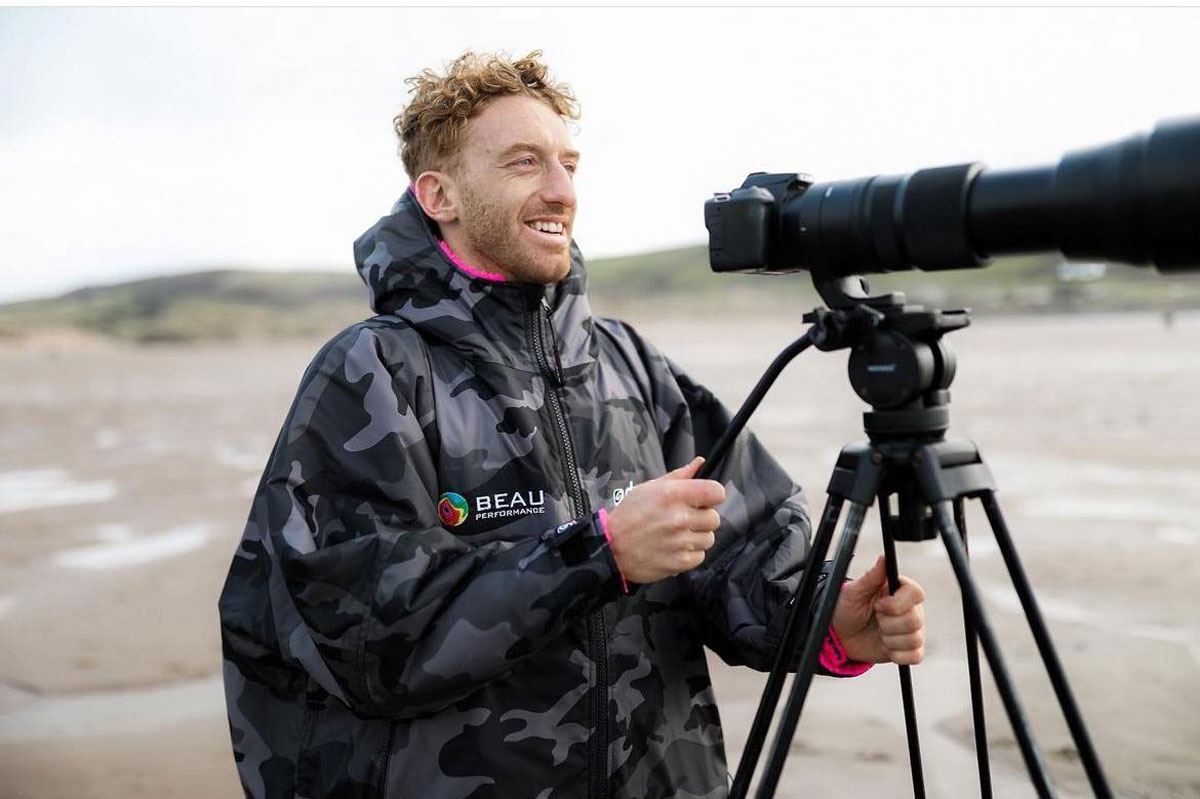
Meet Your Coach: Beau Bromham

Beau brings a wealth of competitive surfing and coaching experience to the camps. Currently Head Coach of the English Junior Surfing Squad, he has coached surfers at every level, from recreational surfers to international competitors, including at ISA World Championships, European Championships and WSL events.

But for Beau, these weeks aren't about turning everyone into competitive surfers. They're about helping people get more out of their surfing.

"Running camps has always been one of my favourite parts of coaching. I love having the time to really get to know someone's surfing, identify a couple of key areas to focus on and work on them throughout the week.

"It's amazing the difference that can make, especially when you're getting plenty of time in the water, while still keeping things fun and enjoying everything that comes with a proper surf trip."

How Does the Training Work?

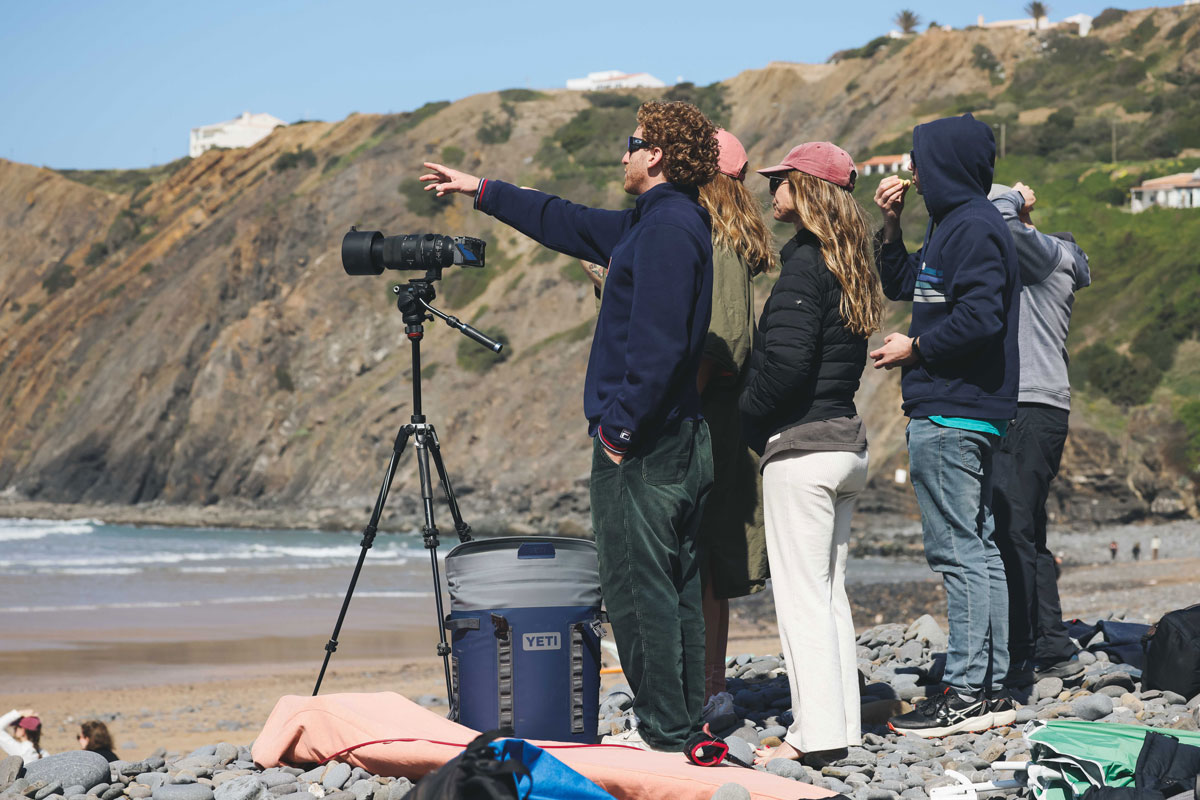
The approach is straightforward: maximise time in the water, use video analysis to identify areas for improvement, and then head back out the following day to put that feedback into practice.

"The idea behind the bootcamp is simple: maximise time in the water, use video analysis to understand what you need to work on, then get straight back out there the next day to put it into practice," explains Beau.

"No burpees or dune runs here… your arms will be tired enough from all the surfing!"

Each evening, the group gathers back at the main house to review footage from the day's sessions. It's an opportunity to look closely at your technique, understand what's working and learn from the other surfers on the camp.

"At the end of each day, we get together at the main house to watch the footage from our surfs. It's always one of my favourite parts of the day and something everyone gets so much out of, not just from their own feedback but from hearing what everyone else is working on too."

More Than Just a Training Camp

While improving your surfing is the main objective, Beau believes the atmosphere of the week is just as important.

"What I love most is how much they feel like a proper surf trip, with great people, plenty of waves and lots of laughs along the way."

Days are spent exploring the Algarve in search of the best conditions, with nutritious packed lunches to keep everyone fuelled for long sessions in the water. Afterwards, there's time to relax, enjoy a post-surf drink and head into Lagos for dinner.

"By the end of the week, you've hopefully caught some amazing waves, made some real progress and shared plenty of good times with a great bunch of people. It's that whole surf trip atmosphere that makes these weeks so special!"

With small groups, expert coaching and plenty of time in the water, the camps offer a chance to focus entirely on your surfing, pick up some new skills and enjoy a great week away.

Each guest will also receive a 30-minute sports massage as part of the package.

The Surf Experience bootcamps with Beau Bromham will take place in November and December 2026 and March 2027 in the Algarve, Portugal.

This boot camp is for both male and female surfers looking to improve. For dates, availability and booking details, visit TheSurfExperience.com.

The Surf Experience bootcamps with Beau Bromham will take place in November and December 2026 and March 2027 in the Algarve, Portugal.

This boot camp is for both male and female surfers looking to improve. For dates, availability and booking details, visit TheSurfExperience.com.

LS/FF x Exhale Shorties

LS/FF x Exhale Shorties

London Surf / Film Festival has just announced a £1000 prize fund for the 15th Edition of The Shorties short film contest presented by Exhale. With a week left to enter, there’s plenty of time to add the finishing touches to that 5 minute cinematic masterpiece you’ve been brewing.  

While LS/FF is a celebration of the cream of international filmmaking, The Shorties short film strand sits at the very heart of the festival and is open exclusively to filmmakers from or based in Britain and Ireland. 

“We established the Shorties in 2011 as a platform to showcase the wealth of talents we have here on our shores and it’s fast become one of the most prestigious competitions for emerging and established surf filmmakers in the world,” says Festival Director Demi Taylor. “For our 15th edition we’re delighted to support homegrown creatives with three cash awards through our partnership with the good folk at Exhale Coffee. As always we’re seeking out those projects that bring a fresh perspective whether through exceptional storytelling, surfing, cinematography or creativity.”

Surfing is wide open to interpretation and filmmakers are invited to enter their shorts of up to 5 minutes in length, exploring any aspect and angle though any genre. It’s not about whether your waves are big or small, it’s about the way you choose to shoot them. Or don’t. After all there’s more than one way to tell a surf story. Shorties entries close 14th October, find more details and enter online HERE.

The shortlisted films will be premiered on the big screen as part of this year’s London Surf / Film Festival program. These stand out shorts will be considered by the screening panel - comprised of some of the most influential names in surfing and media - for prestigious awards including Shortie of the Year and Emerging Talent with £500 and £250 awarded respectively to the winners. New for this year, The Shorties People’s Choice Award is also accompanied by £250 filmmaker prize.

“Checking the surf first thing with a coffee there’s just nothing like it. All that potential in the day ahead... If you love surfing, as I do, a good surf film is always worth stopping for,” says Exhale Coffee founder Alex Higham.  “That’s the beauty of The Shorties: in the time it takes to enjoy a coffee, you can get fully lost in someone else’s story - a little five-minute reset. We’re very proud to partner up with the LS/FF and help bring these amazing independent surf stories to more people."

 15th Edition London Surf / Film Festival presented by Finisterre is hosted 5-7 November at the iconic Riverside Studios. A celebration of the cream of surf culture, LS/FF brings to the UK a hand-picked line up of the very best surf cinema from across the globe – documentaries to inspire, travelogues to stir up the wanderlust and cutting-edge action to blow minds – accompanied by Q+A’s, talks, good times and more. 

Hossegor on Fire

Hossegor on Fire

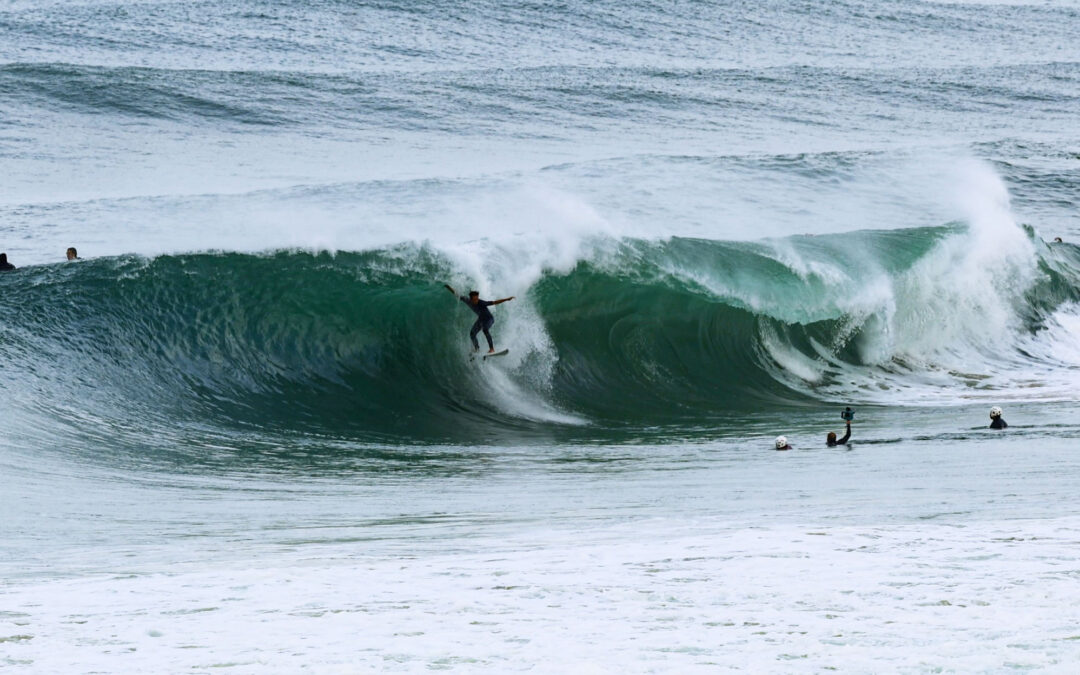
Sandbanks firing like slabs and heaving barrels. Local crew and Quiksilver Festival pros feasting. Fast, hollow and unapologetically high-performance, the season is officially on!

Featuring: Jérémy Florès, Michel Bourez, Marco Mignot, Eimeo Czermak, Leo Fioravanti, Justin Becret, Nolan Guerin and Aldric God. Almost entirely filmed on 2 October 2026.

Wave Goodbye to the 9-to-5

Wave Goodbye to the 9-to-5

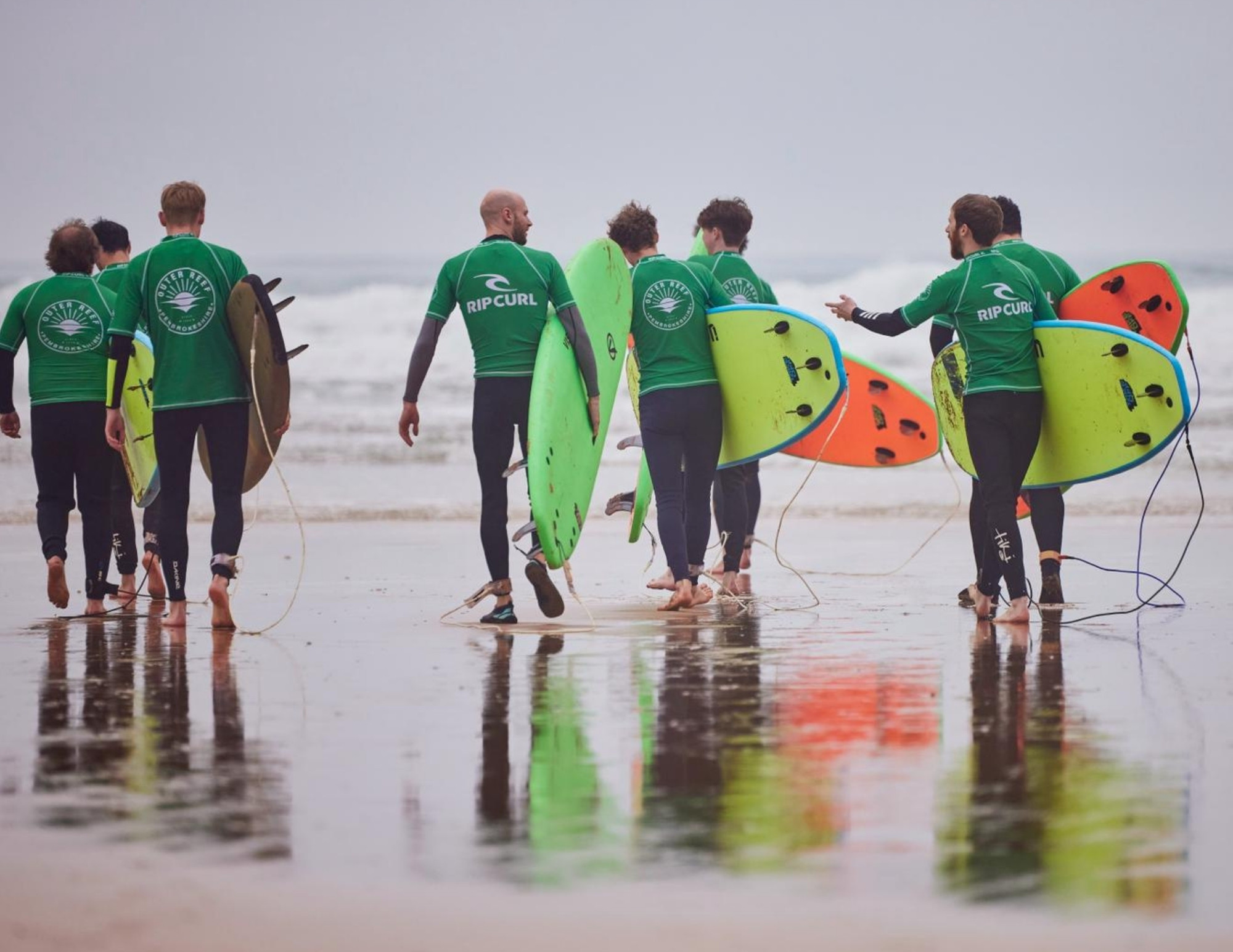
Surfers in green Outer Reef rash vests walk across wet sand towards the sea carrying foam boards

Wave Goodbye to the 9-to-5: Teaching Surfing Abroad

From Wales to Morocco and the Maldives, Outer Reef Surf School is turning surfing into a career.

You know that moment when you catch a wave that's better than you expected, and think, what if I could always be doing this?

For a growing community of surfers, that thought is becoming a reality. They’re not pro surfers. They’re simply people who love surfing so much they made it their job to share it. Then it became a passport full of stamps, and a life built around the tide.

Since 1999, Pembrokeshire's Outer Reef Surf School has been a launchpad for women who want to make surfing and travel their world. What started as a place to learn to catch your first waves at Freshwater West in Wales, has grown into an ISA-affiliated, AALA-licensed training ground. And now, through Outer Reef Surf Travel, it’s a genuine route from qualification to a global surf career, with schools and placements stretching from France and Portugal to Morocco, Bali and the Mentawai Islands.

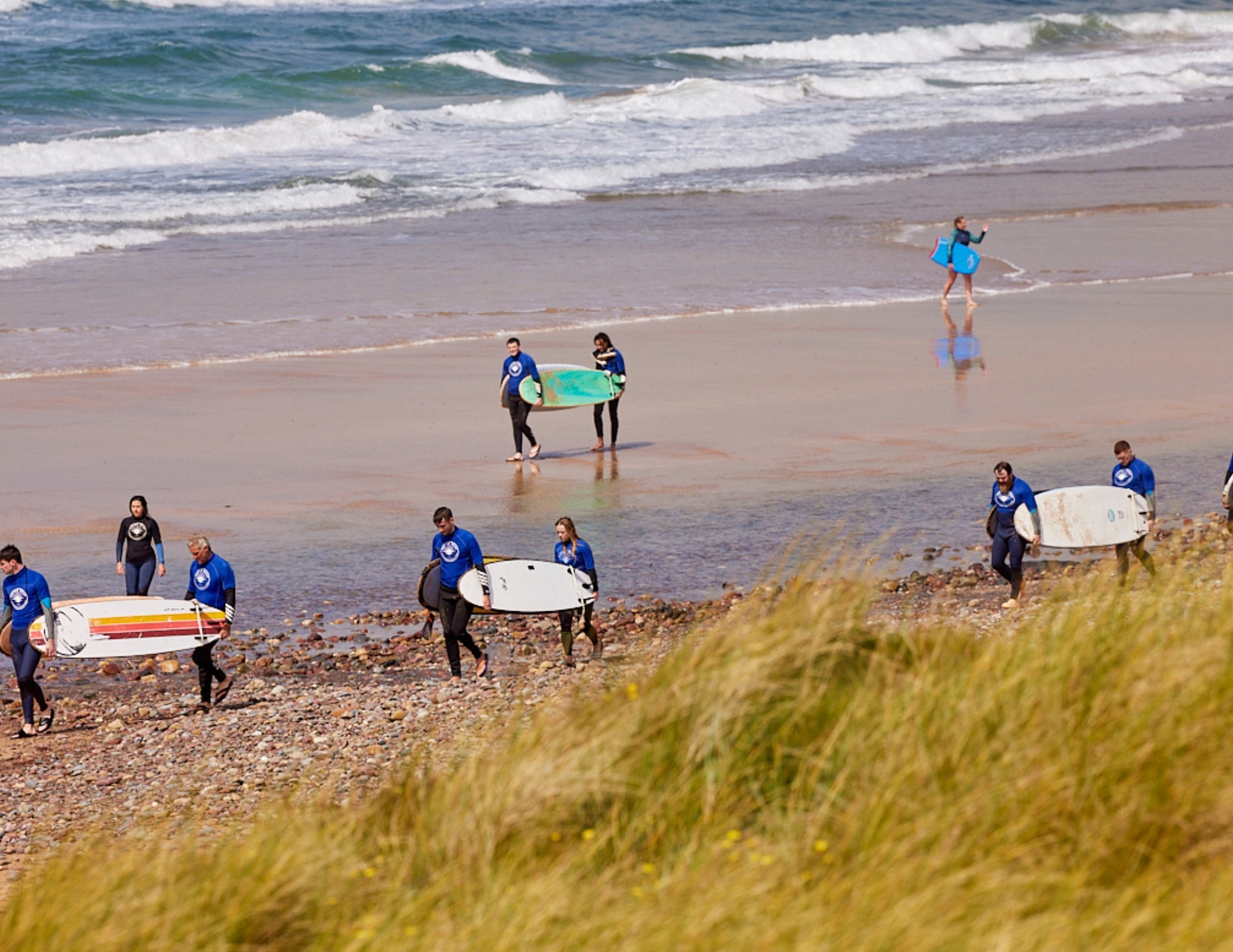
Surfers in blue Outer Reef rash vests carry boards along a pebbly beach beside dune grass

We caught up with co-founder of Outer Reef, Gemma, and two of her coaches, to find out what it actually takes to become a surf instructor and travel the world teaching and surfing.

Sound like your sort of lifestyle? If you’re looking for your next career move, take note.

The pros and cons of teaching surfing abroad

Ask any of the three what coaching overseas is really like, and the answer is never straightforward stoke. You have to leave things behind to travel – friends, dogs and your home community. But it’s worth it.

“Coaching abroad has enabled me to continue my passion for travel,” says Gemma, who is also the founder of Outer Reef's women's community, Salty Sisters. Part of the job she loves is, “seeing new places, meeting new people, sharing knowledge and good times with like-minded people.” And the worst part? “Probably missing flight connections, mosquito bites and leaving behind my dog.”

Sabrina's five years away from Germany reshaped her outlook on life. “Living and teaching abroad has pushed me far beyond my comfort zone. It’s made me more aware of different cultures, and more accepting of different ways of life. Keeping an open mind has been the greatest gift of this journey, alongside chasing incredible waves,” she says. But constant relocation has a cost: "Changing homes more than once a year makes it difficult to slow down, feel settled, or build lasting friendships." She misses her garden – and the tomato plants she's never stayed anywhere long enough to watch ripen.

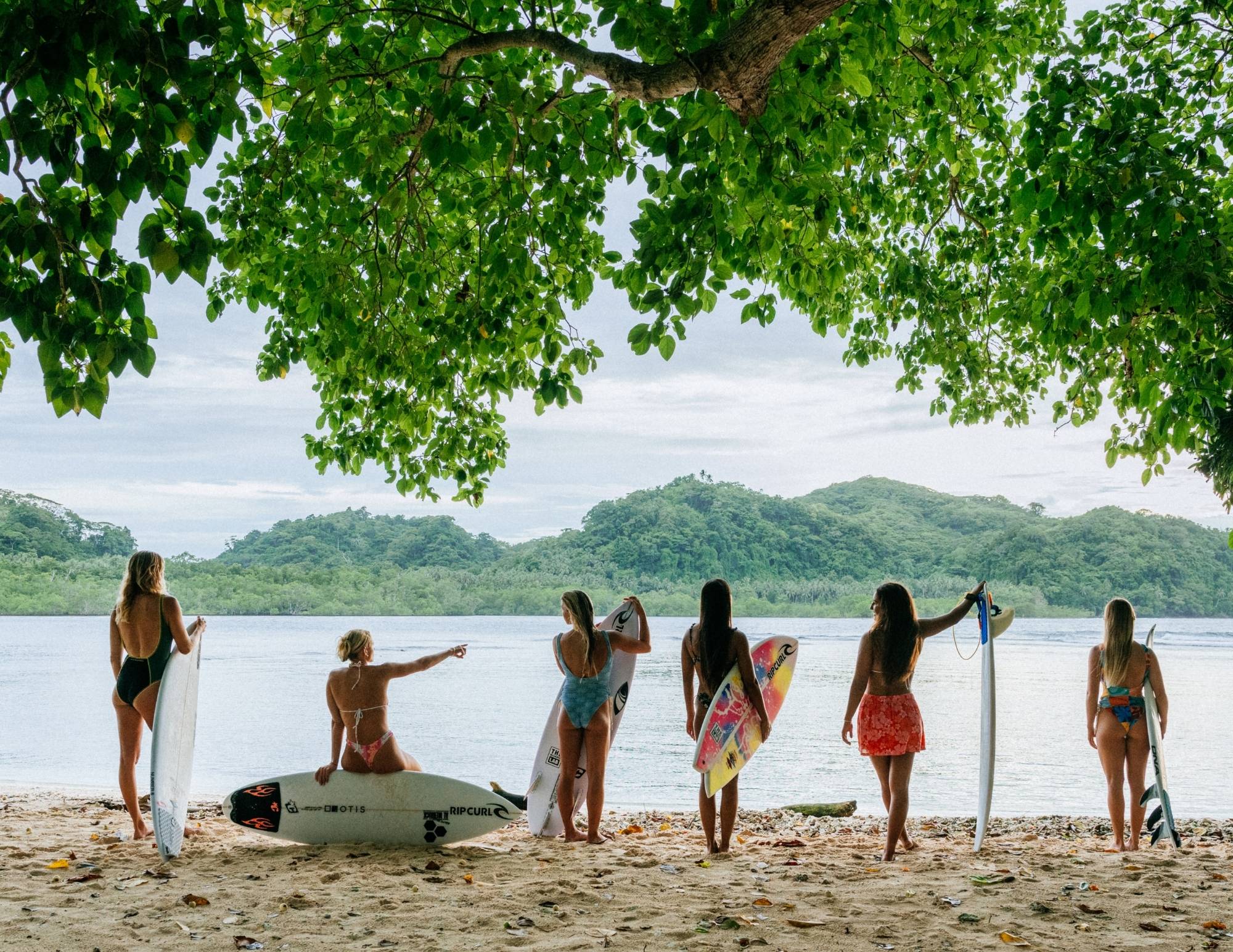
Six women with surfboards look out over a calm bay from the shade of a large tree on a tropical beach

Joel jumped into surf coaching straight out of university, and found "a real sense of community in Pembrokeshire with the Outer Reef team.” The biggest lesson it’s taught him? “To follow what you love to do and build your life around it.”

To follow what you love to do and build your life around it.

Joel

The training: make water time a non-negotiable in everyday life

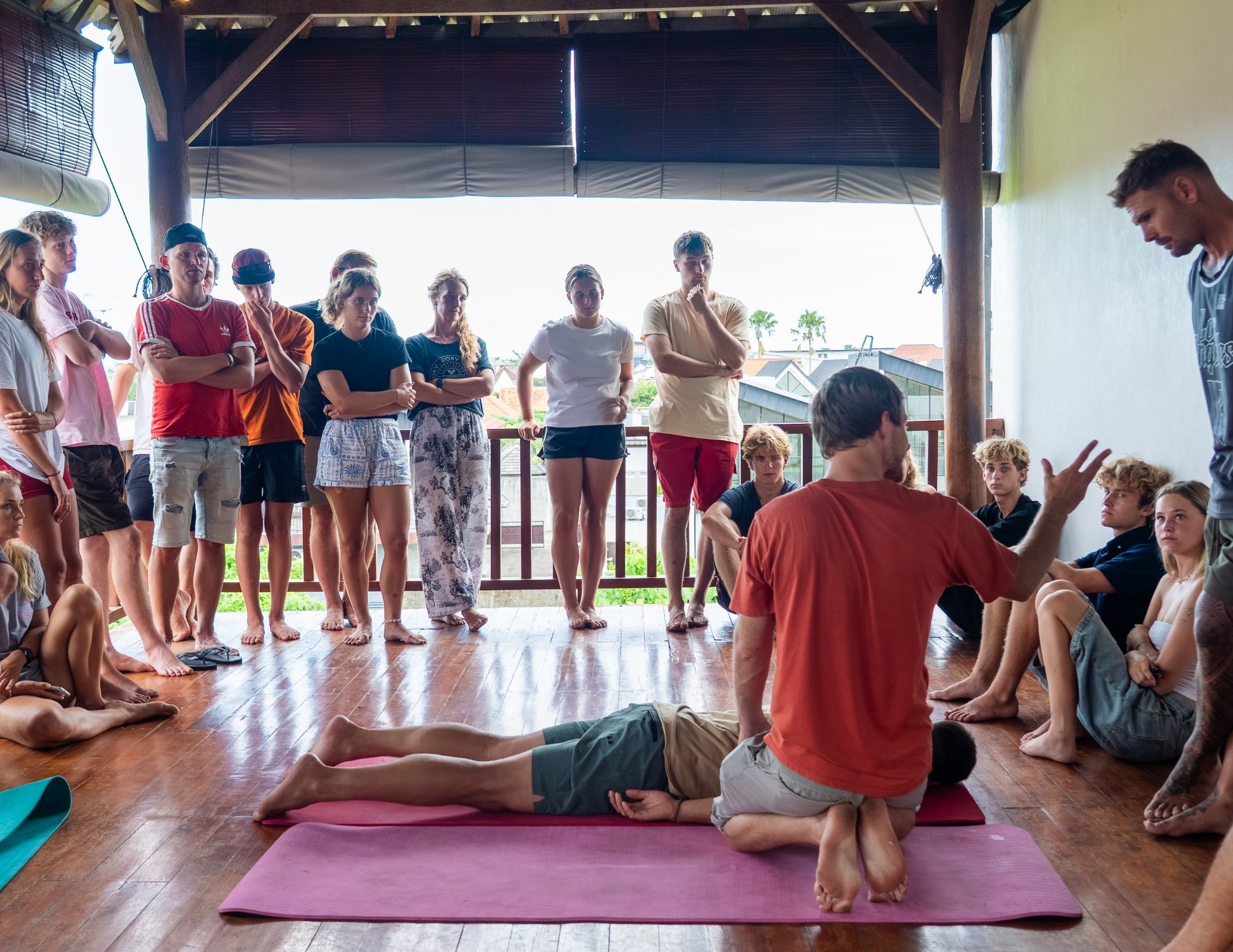
“The instructor courses that we run are ISA and ILS level, which are internationally recognised. To become a qualified instructor you need to complete a water safety course and an ISA level one which we run together,” says Gemma. “It's a really interactive course, and there's lots of water work with swimming rescues and surfing.”

An instructor demonstrates a technique on a person lying on a mat while a group watches on a wooden terrace

Sabrina swapped a university lecturing post in Germany for a wetsuit, and now teaches surfing in Wales and Spain. She remembers the nerves before her own surfing assessment – and how quickly they lifted. "In the end, it felt more like surfing with friends, and the feedback I received helped improve my own surfing." Qualifying meant logging coaching hours, keeping a reflective training diary, and passing a final assessment with her head coach.

Joel Snell puts the day-to-day at their HQ in Wales into focus: coffee, wetsuits and boards sorted, a first lesson at 10am, a lunchtime surf if the waves allow it, a second lesson at 2pm, and then the least glamorous part – washing a mountain of sandy, stinking wetsuits. "After the working day we may surf again or hit up the pub – or maybe even both.”

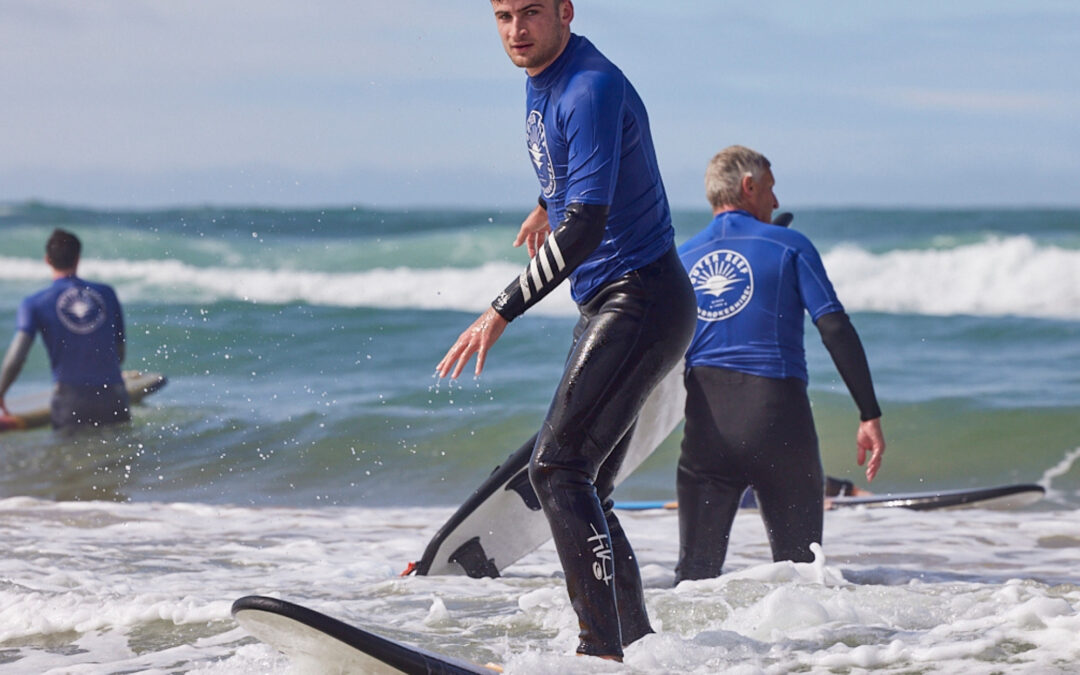
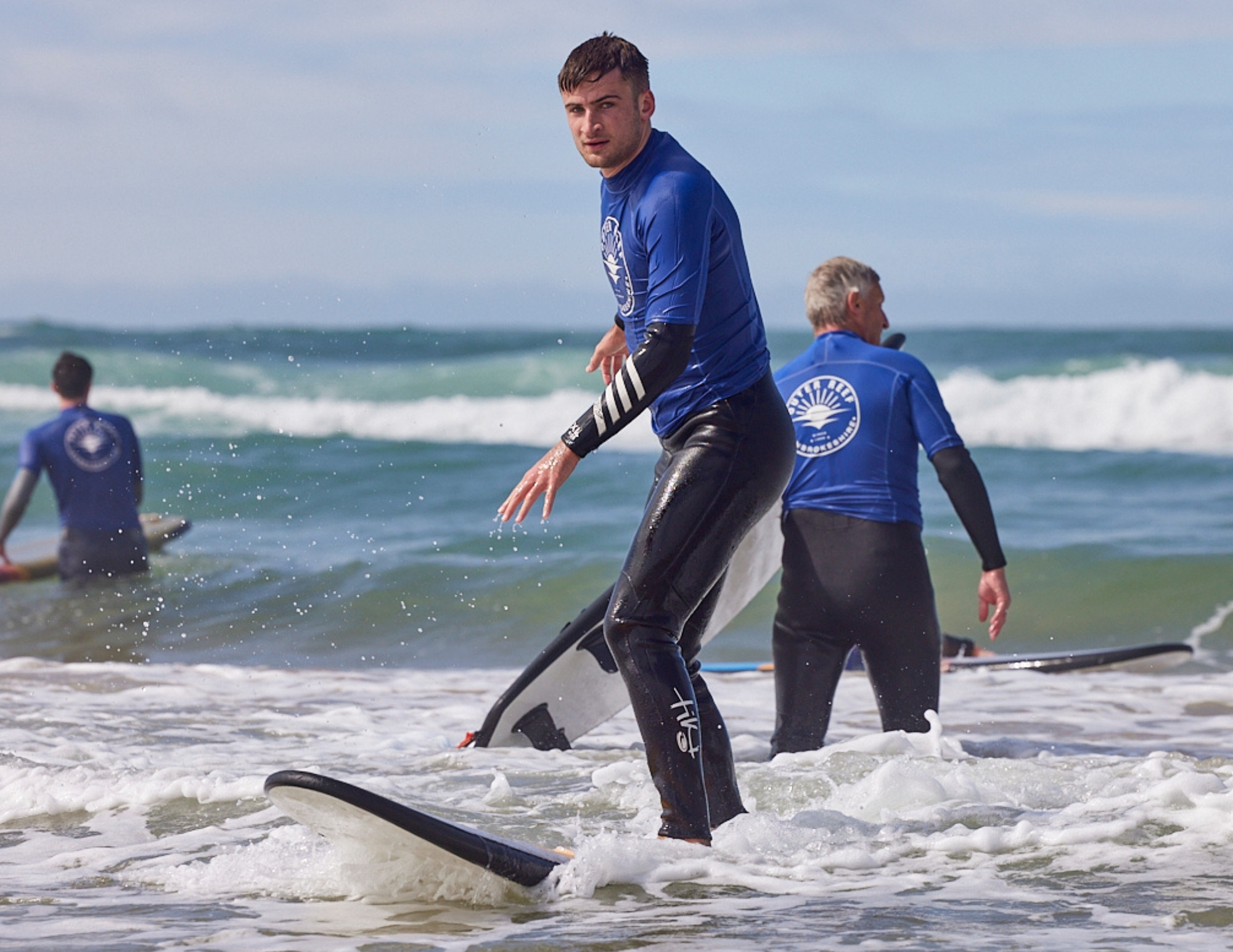
A surfer in a blue Outer Reef rash vest and black wetsuit stands on a board in the white water, looking back towards the camera

Best waves, anywhere in the world

Outer Reef’s home turf of Wales runs deep as a top surf spot for all three surfers – Gemma rating Freshwater West's many peaks and options, while goofy-footed Sabrina loves Broadhaven South's "fast and furious" left.

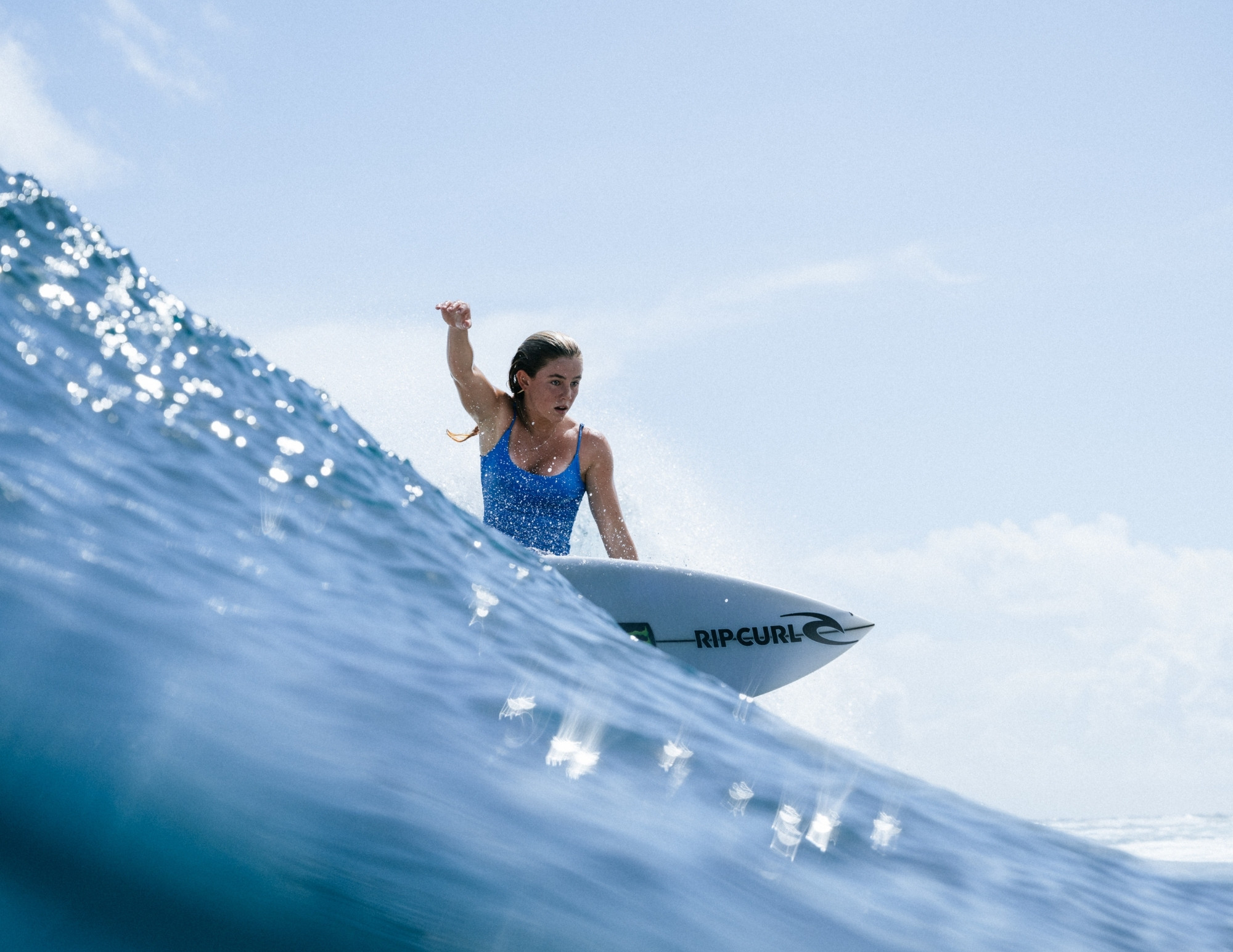
A surfer in a blue swimsuit drives a turn on a Rip Curl board, photographed from water level

Further afield, the Canary Islands and Indonesia are high on the list of places the crew love to surf and teach. Gemma names Lobos, Yo Yo's and Nias amongst her favourite breaks. Sabrina keeps her favourite spot in Nias a secret. Joel puts Indo at the top of his list: “The ability to wake up without checking the forecast half the time and just getting in the surf just in boardshorts is heavenly for someone who has spent years of cold winters and howling onshore surf.” We’d agree with that.

Why women surf better together

Ask Gemma and Sabrina why the women-only sessions work, and the answer comes down to community over competition, every time.

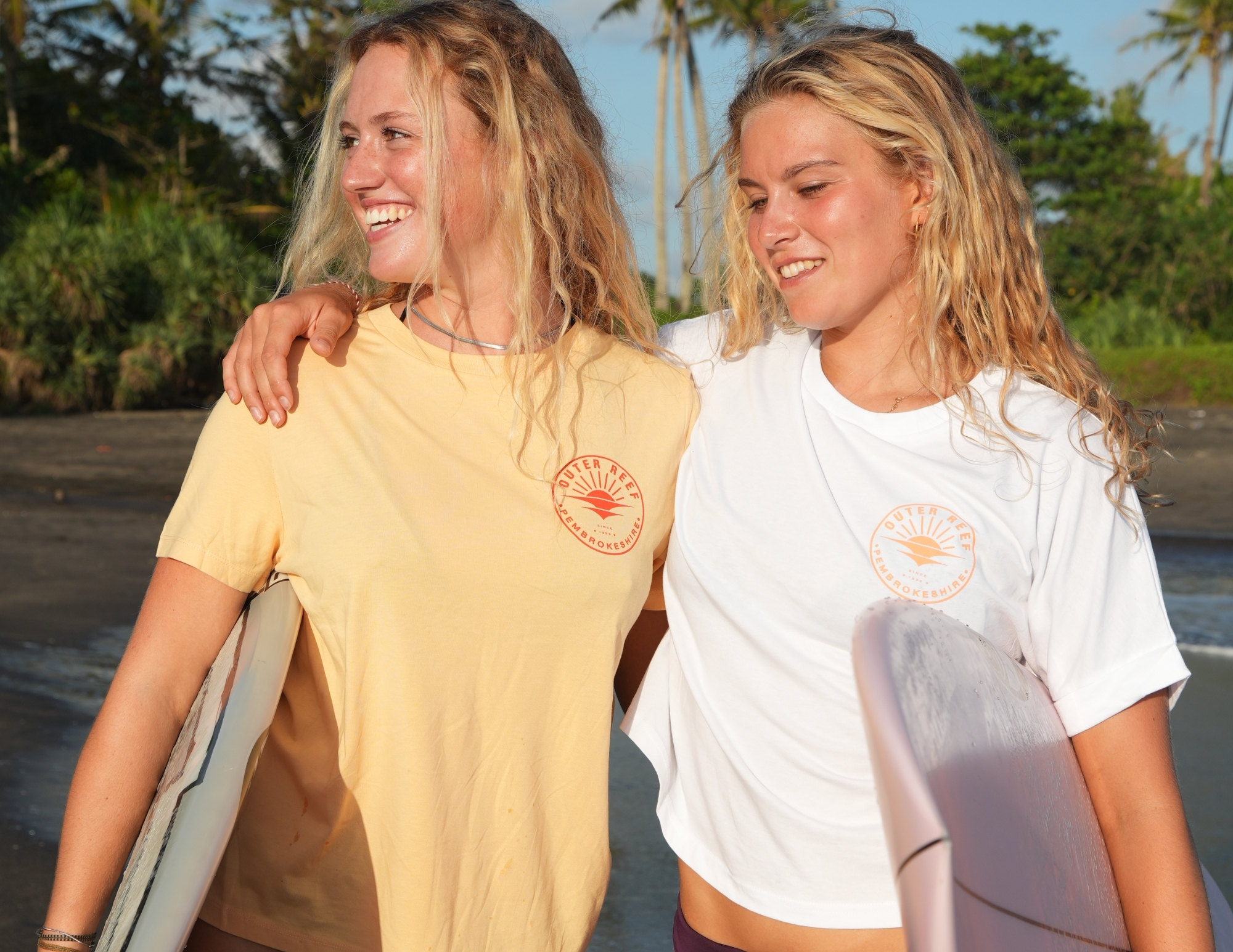
Two smiling women in Outer Reef T-shirts walk along the beach holding surfboards with their arms around each other

"We are the best 'whoo-girls' for each other, cheering each other on for the smallest successes,” says Sabrina. “There’s no need to show off. We share stoke but we also share the doubts and worries.” She also lists the confidence boost in being in a group, post-surf coffee and chats, and permission to talk board colours and bikini bargains.

Meanwhile Gemma lists: happy vibes and big smiles, the “if she can do it, so can I” boost, and above all, "the feeling really happy together and included, no matter what your surfing level or experience.”

If she can do it, so can I.

Gemma

It's this energy that built Salty Sisters from a handful of summer sessions in Pembrokeshire into an international community, women-only retreats, and ISA instructor courses in destinations like the Maldives, Bali, Sri Lanka and beyond.

Ready to make the leap?

Whether it's time for your first surf lesson or you’re ready to take your ISA Level 1, Outer Reef's pathway is built to take you all the way from beginner to instructor to working surf coach – with real coaching hours, mentoring beyond the course, and a network of schools across the UK, Europe and Asia to land in once you're qualified.

Find your route in, or your next surf trip, at outerreefsurftravel.com

Water Companies Failing

Water Companies Failing

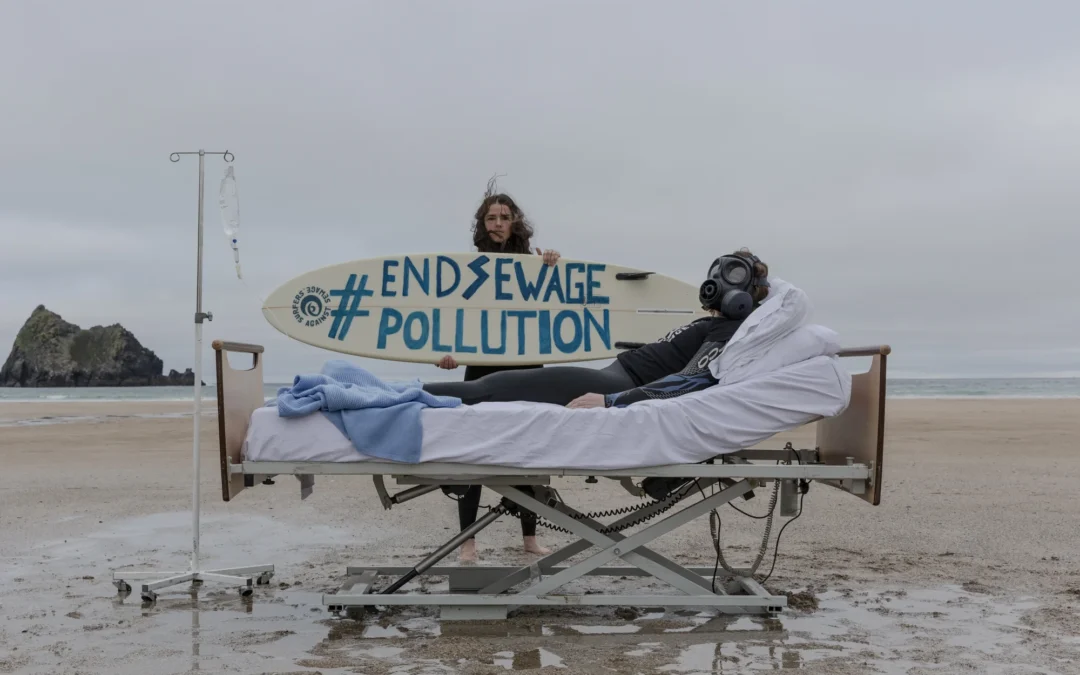
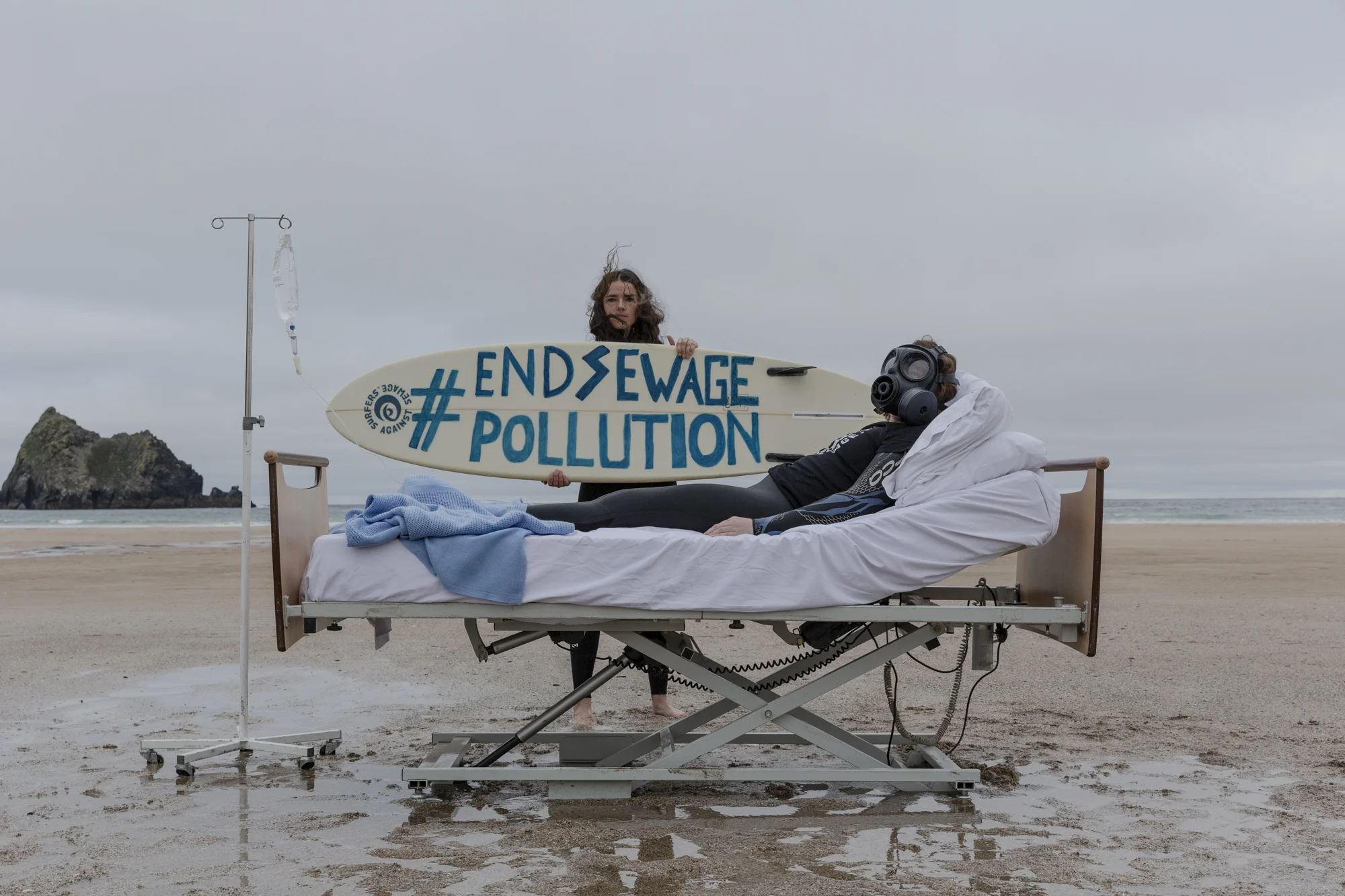
First-of-its-kind analysis by Surfers Against Sewage reveals more than 50,000 sewage discharges were reported outside the legal timeframe in first six months of the year

England's water companies failed to report more than 50,000 sewage discharges within the legally required timeframe in the first half of 2026, leaving the public in the dark about sewage discharges and how safe the water is. Under legislation introduced in January 2025, water companies in England must report sewage discharges within 60 minutes to ensure the public is informed when sewage is entering the water.

The 2026 Water Quality Report from campaigners Surfers Against Sewage (SAS) reveals that all nine of England’s water companies failed to meet the legal reporting requirement this year. More than 4,000 of the delayed reports across England impacted designated bathing waters, spaces officially recognised for water use and monitored by the Environment Agency (EA). Yorkshire Water was the worst offender, failing to publish discharge data in time for more than 13,000 sewage discharges across the first six months of the year.

The scale of sewage pollution is stark in the context of 2026's extremely hot and dry summer. Water companies are only permitted to discharge sewage through storm overflows during heavy rainfall. However, freedom of information data reveals at least 70,400 hours of sewage was dumped on dry days and 7,450 ‘dry spills’ in the first 6 months of the year.

Looking back at the full picture of sewage pollution in 2025, the report highlights that sewage discharged for more than three million hours into the UK’s waters - the equivalent of 342 years of sewage pouring continuously. Sewage alerts were in place at designated UK bathing waters last year for a total of 24,771 days – meaning, on average, each bathing water had an alert in place for 37 days.

Last year, water companies in England were responsible for over 1.8 million hours of sewage discharges, an average of 5,100 hours a day. In Wales, sewage was dumped over 100,000 times, the equivalent to one spill every five minutes. While there is still limited monitoring of sewage discharges in Scotland and Northern Ireland – with just 30% of overflows in Scotland and 19% in Northern Ireland being monitored – Scottish Water and Northern Ireland Water were responsible for 100,044 and 9,496 spills in 2025 respectively.

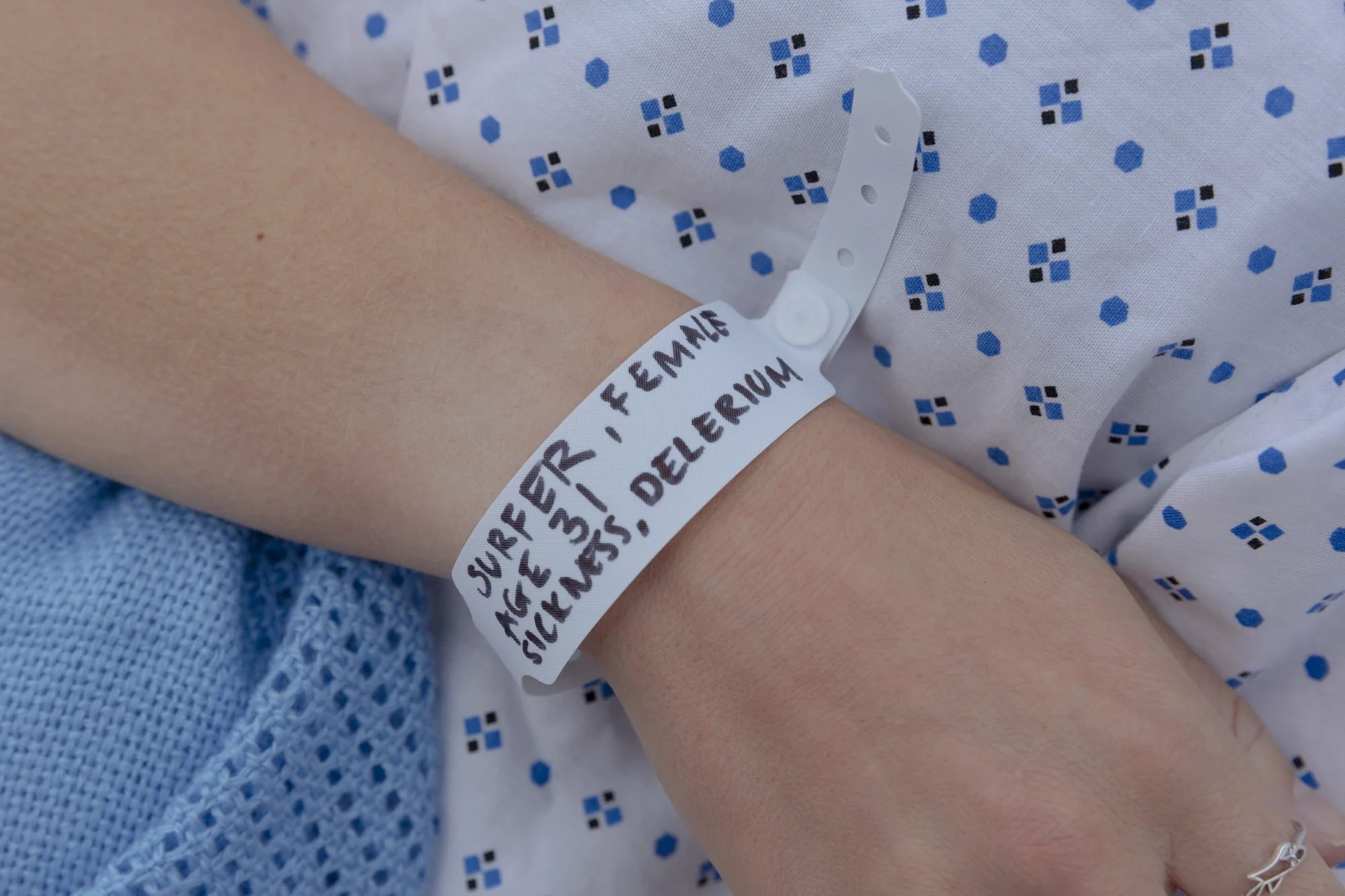
The report also highlights the human impact of poor water quality. In 2025, 1,568 sickness reports were submitted to SAS through its Safer Seas and Rivers Service app. Reported illnesses included severe bacterial infections such as E. coli and Campylobacter, gastroenteritis, ENT infections, and in extreme cases, hospitalisations and life-changing surgery.

From January to August 2026, 1,687 people have told the charity they got sick after using the water at rivers, lakes and beaches across the UK - surpassing the 2025 figure eight months into the year. Across reports submitted from January 2025 to August 2026, people reported a total of 5,222 days off work, equivalent to around 20 years of full-time working days lost. The data also reveals that during the hottest summer on record for the UK, 787 people reported getting sick after using the water across the numerous heatwaves between May and August 2026. As these figures only capture cases reported directly to the charity, they are likely to represent only a fraction of the true scale of illness experienced by water users.

Giles Bristow, CEO at Surfers Against Sewage, said: “Imagine checking for a sewage alert, heading out for a swim or a surf, and finding sewage has been pouring into the sea for hours. Your water company didn't report it. In England, we don't have to imagine it. We're living it. Water companies have systemically failed to report sewage discharges on time more than 50,000 times this year. That's a threat to public health, and it's illegal. Yet we pay the price, through our health and our soaring bills, while water company greed and law-breaking goes unchecked.

“The Government has finally started to look seriously at who owns England's broken water industry. But with every day it deliberates, sewage floods our seas, money flows to shareholders and people get sick. Every Paddle Out and every petition has forced the Government to act. Now we must shout louder than ever so politicians don't waste this opportunity. We won't ease off until our water industry is owned and run in the public interest, putting our health and wellbeing before shareholder returns.”

Last year, following a training swim for a channel crossing off the coast of Looe in Cornwall, swimming coach Loretta Cox became severely ill with an E. coli infection – despite the water quality in the place she swam being rated ‘good’ by the EA. Loretta Cox said: "Within hours of my early morning swim I had symptoms of a serious infection. After two rounds of strong antibiotics and a month of recovery, I was exhausted physically and emotionally, and it's had a lasting impact on me. Swimming is my passion, my job, and my community. It makes me so angry we have to consider the quality of the water, and whether it's a risk to our health, before going for a dip – just because water companies are putting profits before us. It must stop. We need better protections and water quality testing for swimmers, surfers and anyone using the water, and the Government must ensure water companies stop profiting from polluting our waters."

In 2026, a Public Health Water Taskforce was set up by the Government to review how public health can be better integrated into water legislation. Its remit includes advising the Government on public health risks associated with recreational water use, but it is yet to release recommendations, and it’s unknown to what extent the Government will implement them.

Peter Selley, a retired doctor based in South West England, said: "Doctors and medical professionals working in coastal areas need to be alert to the risks from polluted waters as routine tests may not identify the type of germ responsible. As doctors, we see patients becoming sick after using polluted waters. So it’s remarkable there’s no coordinated response from the Government for medical professionals to follow when it comes to diagnosing, recordingand reporting sickness cases in water users. Food poisoning is a notifiable disease – it must be reported to authorities to protect public health. However, illness contracted after swimming in polluted water is not, but it's clearly a growing threat to all our wellbeing."

The 2026 Water Quality Report lands at a critical moment for the future of the water industry, as political and public pressure for meaningful change swells and the Government begins to look at alternative industry ownership models. SAS is calling on the Government to use the upcoming Clean Water Bill to legislate for a water industry that is owned and governed in the public interest rather than to generate profit for shareholders.

The charity is also urging the public to take part in a Mass Lobby from 22 to 26 October. Hundreds of citizens will meet their MP face-to-face to raise the issue locally, push for change, and to pressure Ministers to deliver a Clean Water Bill that resets the system, not one that keeps the status quo.

In Wales, SAS is calling for the Clean Water Bill to lay out the devolution of more powers to the Welsh Government on water quality and its regulation and urges the Senedd to use all of its powers to tackle sewage pollution across the nation. In Scotland and Northern Ireland, where water companies are publicly owned, SAS is demanding in its Devolved Manifestos that both Governments commit to specific legislation to tackle the issue, as well as prioritising the delivery of 100% monitoring across sewage networks.