Fiji Pro Champs Crowned

Fiji Pro Champs Crowned

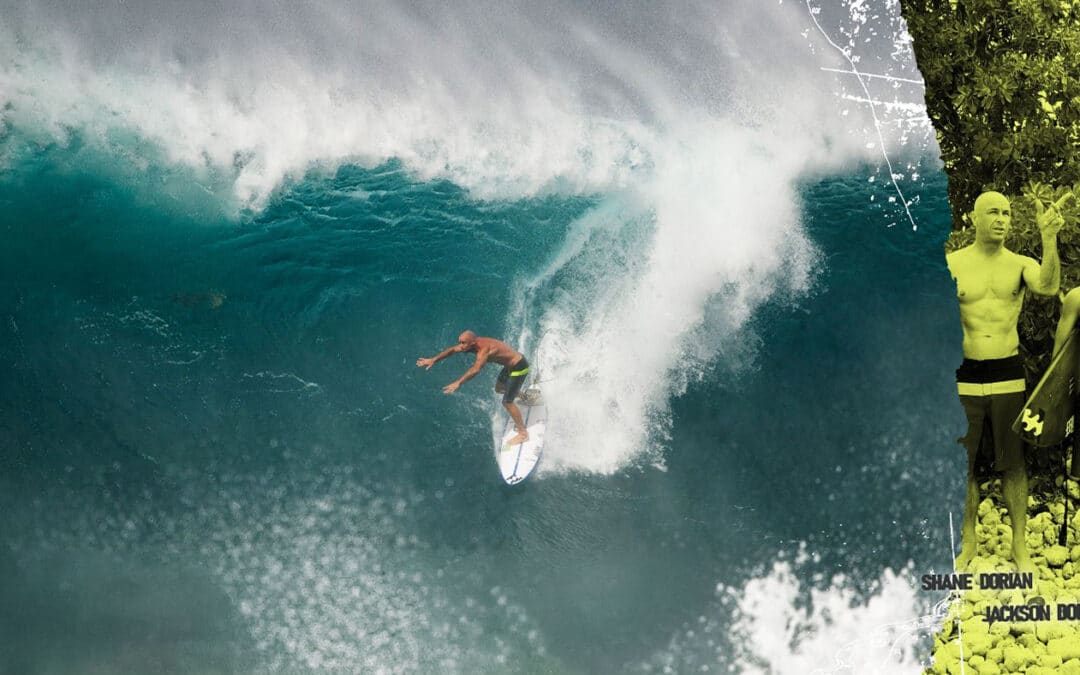
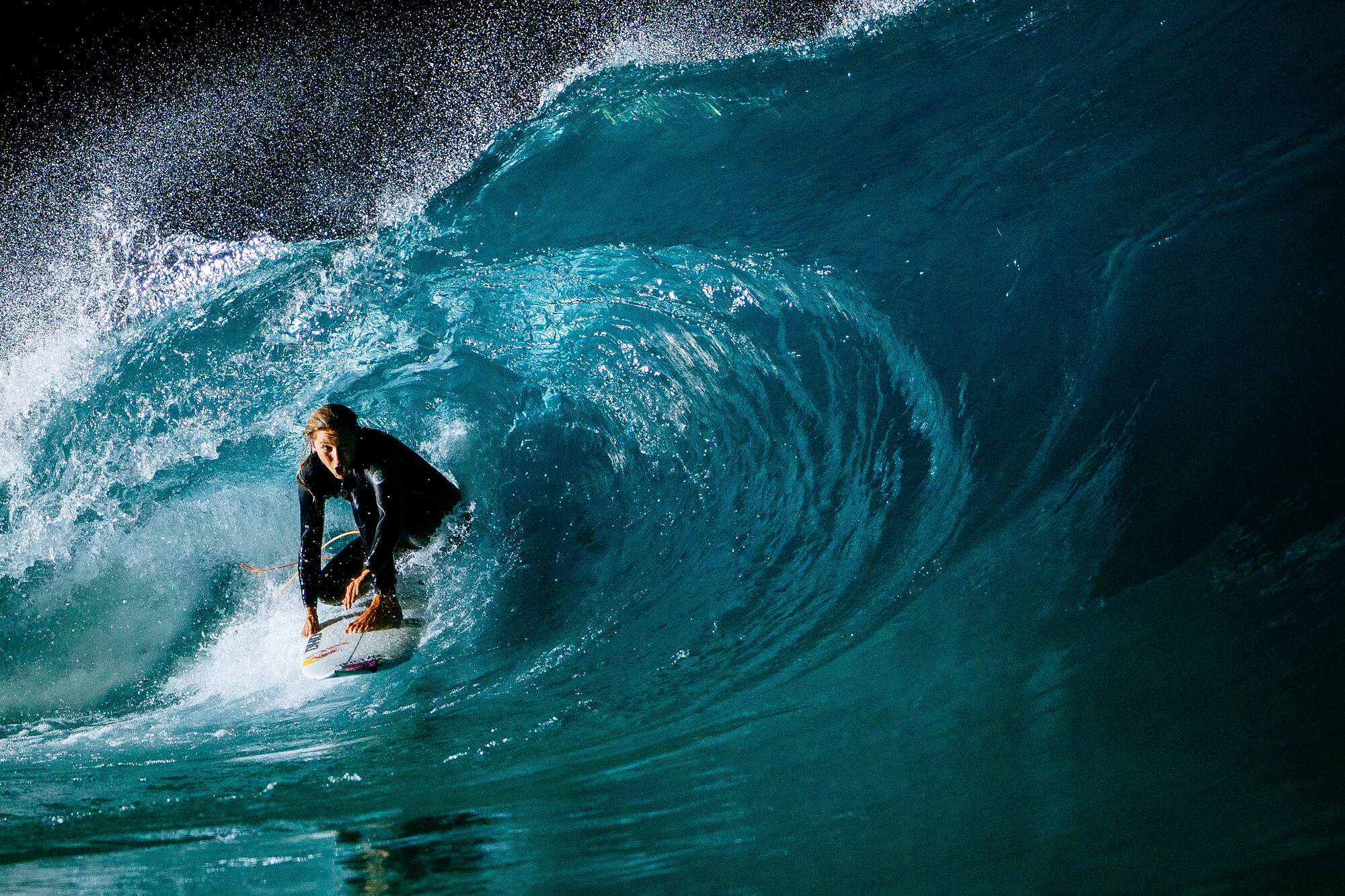
Erin Brooks (CAN) and Cole Houshmand (USA) won the Fiji Pro Presented by Corona Cero, Stop No. 8 on the World Surf League (WSL) 2026 Championship Tour (CT). In pumping six-to-eight-foot conditions, Houshmand put on a standout performance at the world-famous Cloudbreak in Fiji, with huge committed turns coupled with long, heaving barrels for his third CT win. Brooks claimed her third CT victory following Isabella Nichols’ (AUS) withdrawal from the event due to an injury sustained in yesterday’s Semifinal. 19-year-old Brooks claims her back-to-back win after her remarkable run through the draw, including a Perfect 10 in her opening heat and taking down a stacked field of competitors with Caroline Marks (USA), Vahine Fierro (FRA), and Carissa Moore (HAW) for the win.

Houshmand Turns Season Around with Inspiring Win at Cloudbreak 

Cole Houshmand (USA) has claimed an incredible victory at Cloudbreak in one of the most exciting Finals of the season, overcoming three-time World Champion Gabriel Medina (BRA) to earn his third CT event win from as many Finals appearances. Coming into this event, Houshmand had lost in Round 1 at six events and had won heats in only one event this year. With CT requalification firmly at the front of his mind, the San Clemente local needed a major result here in Fiji, and his intent was evident from the get-go, taking down the world’s best, including reigning World Champion and Fiji event winner Yago Dora (BRA), on the way to the Final. 

“I’m speechless; I don’t think I could have scripted it any better,” Houshmand said. “To go up against Gabby [Medina] in the Final and have a battle with him and him get a 10. We’ve got a great friendship, and he’s been my inspiration my whole life, so I’m just speechless, man. I’ve had the craziest year ever. I didn’t know if I was going to requalify, losing the first round of every event and just questioning everything, but it all worked out. I’ve just put my head down and stuck to the plan.”

In the Final, both surfers struggled to find waves early, finding themselves out of position when the sets hit the lineup. Then, as the matchup moved into its second half, Houshmand took firm control with an amazing combination of on-the-face power surfing between short but punchy tube rides, first posting an 8.50, then backing it up with another excellent ride to post a 16.87 two-wave total. This left Medina (below) in a combination situation (needing to turn in two new scores), but for barely a second, as the Olympic Bronze Medalist took off on the best wave of the Final and pulled in deep on the first section before racing through section after section, completely disappearing, before flying out into the channel, gesturing for a 10. The judging panel obliged, scoring the wave a Perfect 10 and putting Medina back in the heat, only needing a mid-range score. Holding priority, Houshmand was able to sit on Medina for the last five minutes and keep him from finding a wave, leaving him to take the win and rocket 10 places up the rankings to World No. 17. 

“It never really goes the way you expect it sometimes,” Houshmand continued. “Maybe there is a reason for me to have all of those losses in the first round and for this to happen. It’s been amazing, and it’s been a long year, but I couldn’t imagine it any other way. Getting to the Final was already a win for me; getting that far and sharing it with Gabby was amazing. I want to thank all of the people from Fiji; this place is full of good vibes and good energy, and it’s hard not to love this place.”

Erin Brooks Claims Second Fiji Win as Nichols Forced to Withdraw 

Erin Brooks (CAN) has been crowned the 2026 Fiji Pro winner after Isabella Nichols (AUS) was forced to withdraw from the Final due to the ankle injury sustained in her Semifinal win over Brisa Hennessy (CRC). The result marks a full-circle moment for Brooks at a venue that holds special significance in her career. It was here in 2024 that she claimed her maiden CT win as a wildcard, becoming the first Canadian to win a CT event. Since joining the Tour full-time, Brooks endured a slower start to her CT career, but the tide has turned in dramatic fashion over the past month, with this result following her win at the Outerknown Tahiti Pro to give her back-to-back victories heading into the back half of the season. Brooks now sits at World No. 8, making a leap from 19th in the last two events. 

"I’ve just been having so much fun. That win in Tahiti took so much pressure off and allowed me to go out there and surf the way I wanted to, and in the first heat of this event, I had the best heat of my life, scoring a Perfect 10, and I feel like that’s just grown with me throughout the event,” Brooks continued. “I’ve just been smiling and having fun, and I just love this place. I actually saw Occy (Mark Occhilupo, 1999 World Champion, Tahiti and Fiji winner in 1999). When I got here, he congratulated me on Tahiti and was telling me about the ‘dime-a-double,’ where you win both Fiji and Tahiti back-to-back. It’s been in my head, and the closer I’ve been getting, I’ve been getting so excited, and finally doing it is insane. In the back half of the year, I still need to step up, as I have a lot of last places, but I’m so excited to go to Lowers. I love it there and have a lot of friends and family there, so it’s going to be great.”

Nichols’ Best Result of the Season Comes with Bittersweet Ending 

Despite being unable to compete in the Final, Isabella Nichols' (AUS) runner-up finish is her best result of the season, a significant turnaround in a year defined by inconsistency. Nichols opened 2026 with a strong third-place finish at Bells Beach, but was dealt a string of early-round eliminations through the middle of the season before finding her footing again in Tahiti last month. The momentum carried into Fiji, where she pushed all the way to the Final before her ankle injury forced her out of the jersey today. The result is bittersweet for Nichols, who is close friends with Brooks and spends much of her time with her on Tour. It was Nichols’ toughness, drawing on her Viking heritage, that saw her battle through the injury to see out her Semifinal win before ultimately having to step aside. 

“It’s unfortunate, but I’m still so stoked to have made the Final here and to see Erin [Brooks] take the win,” Nichols said. “A big congrats to Erin, she has been the most dominant surfer all week, so I was excited to share the Final with her, but to see her get back-to-back wins, I’m so happy for her; she’s like a little sister to me. Yesterday, I went to the hospital for scans and an X-ray, which showed I have no broken bones but a high ankle sprain. It will be one of those things where I just wait and see, but at the moment, I can barely stand on this foot. So to surf a heat with the size of the waves right now would be smart, especially smart for me, especially if I want to be back and strong for the next few events. It’s all still looking very up in the air for me at the moment, so I will just take it day by day and get home for some much-needed rest. After Brazil, I was in a pretty dark place after not banking a result at a lot of my pet events. I was getting really pessimistic when looking at places like Fiji and Tahiti, as I’ve never made it to the Quarterfinals at either one. I’ve put in some time at these places now, and to see it pay off is amazing.” 

The women’s Top 10 stayed much the same after the Fiji Pro Presented by Corona Cero, apart from Brooks and Nichols both moving inside, pushing Caroline Marks (USA) and Nadia Erostarbe (ESP) into 10th and 11th, respectively.

Medina Bounces Back with Epic Runner-Up Finish In Fiji 

Gabriel Medina (BRA) has put the disappointment of losing the first round at back-to-back pet events (Brazil and Tahiti) with an amazing run in Fiji to finish runner-up to Houshmand. Medina was a clear standout all event, particularly on Finals Day, turning on his trademark tube wizardry and super-fast rail surfing on the powerful walls of Cloudbreak to post a 9.33 in the Quarterfinals, two 9-plus rides for a 19.04 heat total in the Semifinal, and a Perfect 10 in the Final, the third of the event and the third of his career in Fiji. Medina was unable to get his third Fiji victory from four Finals appearances, but today’s result was enough to bump him back up into World No. 4 ahead of the Lexus Trestles Pro. 

“Coming out of that wave in the Final was the best feeling,” Medina said. “I was waiting for that wave, and I’m so happy to get the 10. I feel good to make the Final with Cole [Houshmand]; he’s a good friend and has been ripping so much, and we’ve been surfing a bunch together, so we already had a few heats before the Final, which was really good because we’ve been pushing each other. I’m just stoked to be here, and I’m happy for Cole as well. Today was amazing. I had some really good guys in this event, and it’s always hard when the waves are really big, and everyone is surfing amazingly. I just focused on myself and just thanked God for the opportunity. I’ve already got so many good memories from this event. When I came to the Tour, I made my first Final with Kelly [Slater] here, so I can’t complain, as this is another great moment here. It’s been an amazing two weeks here.” 

On his way to the Final, Medina took down former Fiji Pro winner Griffin Colapinto (USA), who has used this Pacific leg of events to get his World Title campaign well and truly back on track, backing up his runner-up finish in Tahiti with an equal third-place finish here in Fiji. Colapinto’s back-to-back Finals Day finishes have seen him rocket six places up the rankings to World No. 6 as he prepares for his hometown event, the Lexus Trestles Pro, which is set to kick off later this month. 

Colapinto shared third place with an in-form Leonardo Fioravanti (ITA), who continued his breakout year in Fiji with a Semifinal berth. He will look to carry his momentum into the next stop on the WSL CT, the Lexus Trestles Pro, which runs from September 11 through September 20, 2026. 

For highlights and more information from the Fiji Pro Presented by Corona Cero, please visit WorldSurfLeague.com. 

2026 Fiji Pro Presented by Corona Cero Women’s Final Results:

1 - Erin Brooks (CAN) 
2 - Isabella Nichols (AUS) INJ

2026 Fiji Pro Presented by Corona Cero Men’s Final Results: 

1 - Cole Houshmand (USA) 16.87
2 - Gabriel Medina (BRA) 15.17

2026 Fiji Pro Presented by Corona Cero Men’s Semifinal Results: 

HEAT 1: Cole Houshmand (USA) 17.10 DEF. Leonardo Fioravanti (ITA) 11.33
HEAT 2: Gabriel Medina (BRA) 19.04 DEF. Griffin Colapinto (USA) 14.57

2026 Fiji Pro Presented by Corona Cero Men’s Quarterfinal Results:

HEAT 1: Cole Houshmand (USA) 16.13 DEF. Yago Dora (BRA) 13.27
HEAT 2: Leonardo Fioravanti (ITA) 14.33 DEF.  Callum Robson (AUS) 10.43
HEAT 3: Griffin Colapinto (USA) 13.00 DEF. Connor O'Leary (JPN) 10.50
HEAT 4: Gabriel Medina (BRA) 15.66 DEF. Kauli Vaast (FRA) 7.33

Archipelago

Archipelago

We set out across the Indonesian archipelago in search of perfect waves. But as the swell shifted, so did our plans. We followed it north, spending countless hours on planes, boats, cars, and scooters. Every change in direction brought us exactly where we needed to be. Hayden Cervi

Featuring: Hayden Cervi

Edited by: Oli Taylor
Music: Ra Ra Viper - Big Speak

How to Read a Surf Forecast

How to Read a Surf Forecast

Swell height gets all the attention. Period, direction and wind are what actually decide whether Saturday is worth the drive.

You check the app on Thursday night. Three feet, Saturday morning, green bar, looks promising. You set an alarm, load the car in the dark, drive forty minutes, and arrive to a lumpy grey mess with whitewater stacked to the horizon. Nothing lied to you. The information was sitting right there in the columns you skipped.

Almost everyone learns to read a forecast the same way, by looking at the height and ignoring the rest. It works often enough to feel like a system and fails often enough to waste half your winter. This is the guide to the other numbers, written for anyone who has ever nodded along to a conversation about period and quietly had no idea.

Live conditions — Fistral

What a surf forecast actually is

Worth clearing up first: a forecast is not a measurement. It is a model output, a computer's best guess at what the ocean will be doing several days from now.

Global weather models such as the American GFS and the European ECMWF produce a picture of atmospheric pressure and wind across the planet. Wave models like WAVEWATCH III take that wind field and calculate how much energy it dumps into the sea surface, then track that energy as it fans out across the ocean. Whatever app you use, that chain sits underneath it. The differences between apps come down to which model they lean on, how often they refresh, and how much local processing they apply before showing you a number.

Observations are separate. Wave buoys moored offshore, run in UK waters by Cefas WaveNet and the Channel Coastal Observatory, report what the sea is doing right now. When a buoy reading and a forecast disagree, believe the buoy. It is the only honest voice in the room.

Swell height, and why it flatters to deceive

The height on your forecast is almost always significant wave height, written as Hs. It has a specific meaning: the average height of the largest third of the waves passing a point. That definition matters because it builds in a lie of omission. If Hs is 2m, plenty of waves are under 2m and a handful are well over it. As a rough guide, the biggest wave in a few hours of swell will run somewhere near double the significant height.

Second problem. That figure describes swell in deep water offshore. It does not describe the wave breaking in front of you. As swell moves into shallow water it slows at the base, steepens, and stands up. How much it gains depends on the seabed and on the period. A long-period swell will jack up dramatically over a sandbank. A short, choppy sea will barely change.

So the height column is a starting point and nothing more. On its own, it cannot tell you whether Saturday is worth the fuel.

A surfer launching an aerial off the lip, black and white

Swell period: the number that decides your session

Period is the gap in seconds between one wave crest and the next as they roll past a fixed point. It is the most useful figure on the entire forecast and the one people ignore hardest.

Here is why it carries so much weight. The energy in a wave train scales with the square of the height and, in terms of power delivered to your beach, roughly with the period as well. Double the period and you roughly double the power at the same height. That is the reason a 1.5m swell at 16 seconds will break heavier, faster and visibly bigger than a 1.5m swell at 8 seconds. Same number in the height column, completely different day.

Period also tells you where a swell was born. Waves sort themselves as they travel, with longer waves moving faster than shorter ones. A deep-water swell travels at roughly one and a half times its period in knots, so a 16-second swell is covering ground at about 24 knots, near 550 nautical miles a day. That swell has come from a low that spun up somewhere off Greenland or deep in the mid-Atlantic days earlier. An 8-second reading was made by wind blowing over your patch of sea yesterday afternoon.

Swell period, side by side

Same rough height, completely different wave. Longer gaps between crests mean more power arriving at the beach.

Short period6–8s · windswell
Mid period10–12s · mixed swell
Long period15s+ · groundswell

The practical takeaway: at anything above 13 or 14 seconds, mentally add to whatever the height column says. At 8 seconds, take a chunk off.

One catch worth knowing. Very long period swell, 18 seconds and beyond, can be so spread out that it arrives in long lulls, five or six waves every twenty minutes. That is a session that rewards patience and punishes anyone who paddles out on a tight schedule.

Swell direction: whether the energy reaches you at all

Direction is given in degrees or as a compass point, and it describes where the swell is coming from. A 290-degree swell is arriving out of the west-northwest.

Match that against the way your beach faces. Cornwall's north coast looks out roughly northwest through west, which is why Atlantic lows tracking across the top of the country light it up and why a south swell does almost nothing there. Head round to the Bristol Channel and the geometry changes completely, with a much narrower window of directions that can squeeze in past Lundy.

Two other effects come into play. Headlands block swell, throwing a shadow over anything tucked in behind them, which is exactly what makes a sheltered corner the right call on a big day. And refraction bends swell as it feels the bottom, so energy can wrap around a point and into a bay it was never aimed at, arriving smaller but far better organised.

North North Swell (Blocked = Not Ideal) Northwest Swell (Excellent) West Swell (Good) Southwest Swell (Partially Blocked = Okay) South Swell (Blocked = Not Ideal) Your beach

This is where local knowledge beats any app. A generic forecast knows the swell direction; it does not always know that your beach only really switches on when the swell swings past 300 degrees.

Watching a clean wave break from the dunes above the beach

Wind: the difference between a good day and a wasted one

You can have the best swell of the season on the chart and still find junk in the water. Wind decides that.

Offshore wind blows from the land out to sea. It holds the face up as the wave stands, grooms the surface smooth, and stretches out the moment before it breaks. This is what the dawn patrol crowd are chasing, and it is why so many of the best sessions happen before eight in the morning.

Onshore wind blows from the sea towards the land. It pushes waves over before they have organised themselves and shreds the surface into chop. A firm onshore can wreck a perfectly good swell in under an hour.

Cross-shore sits between the two and is mostly about strength. Light cross-shore is fine. Strong cross-shore chews the face up and makes the wave close out down the line.

land sea
Offshore
Blows land to sea. Holds the face up, grooms it clean.
land sea
Onshore
Blows sea to land. Flattens and crumbles the wave into mush.
land sea
Cross-shore
Blows along the coast. Workable if light, choppy if strong.

Strength thresholds, roughly. Under 8 knots, direction barely registers and you can more or less ignore it. Between 8 and 15 knots, direction is doing real work either way. Above 15 knots onshore, the sensible move is to stay in bed or find somewhere sheltered.

Time of day matters too. In summer the sea breeze is a daily pattern rather than a weather event: the land heats up through the morning, air rises, cooler air pulls in off the water, and an onshore builds from late morning that had nothing to do with any weather system. That is why summer sessions front-load. In winter the wind is driven by pressure gradients and can hold offshore all day.

Tide: the local variable that ruins everything

Tide changes water depth, water depth changes how swell interacts with the seabed, and the seabed is what shapes a wave. Some banks only work on a pushing mid tide. Some reefs are unsurfable until the water drops off them. Plenty of Cornish beaches turn into a shore-dumping closeout at high water and reveal three separate peaks four hours later.

Add spring and neap cycles on top. Around a full or new moon, spring tides bring a bigger range and stronger flow, and some spots get flushed with current at the peak of the push. Neaps are gentler, with less water moving.

There is no shortcut here. You learn a spot's tide window by turning up at different states and paying attention, or by asking someone who already has.

Reading a forecast row properly

Take a line off a chart: 1.4m, 15s, 295 degrees, wind 7 knots from 110 degrees, low tide at 07:40.

Work through it. The 15-second period is genuine groundswell, so treat that 1.4m as conservative and expect it to stand up well overhead on the sets. The 295-degree direction is straight into a northwest-facing beach, no shadowing, energy arriving with nothing in the way. Wind from 110 degrees is easterly, which on a north coast beach is offshore, and 7 knots is light enough to groom without holding you out of the wave. Low tide at 07:40 means the push starts through the morning, so if your local prefers water on the bank, aim for 09:00 rather than first light.

That is a day worth setting an alarm for. Now change one figure. Same swell, wind at 18 knots from 300 degrees. That is straight onshore at strength, and Saturday is off.

The habit to build is scanning every column and asking what each one does to the others. It takes a few weeks to become automatic and it will save you dozens of pointless drives.

Mistakes that cost people sessions

Reading the height and stopping there. Covered above, and it accounts for more skunked mornings than anything else.

Trusting a five-day forecast like a promise. Beyond about 72 hours, model confidence drops off fast. Treat a Wednesday look at Sunday as a heads-up rather than a plan, and check again the night before.

Ignoring the secondary swell. Most charts list more than one swell train. A modest primary can be sitting on top of a second, shorter-period sea running from a different angle, and the interference between them is what turns a clean forecast into a confused, wobbly lineup.

Checking one source. Models disagree. When two of them show the same thing, confidence goes up. When they diverge sharply, that in itself is information: the setup is unstable and the swell might arrive early, late, or not at all.

Quick glossary

TermWhat it means
Hs / significant wave heightAverage height of the biggest third of waves. Some will be considerably larger
PeriodSeconds between wave crests. Higher means more energy and better shape
GroundswellSwell generated by a distant storm, long period, organised
WindswellLocally generated, short period, disorganised
FetchThe distance of open water a wind blows across. Longer fetch, bigger swell
RefractionSwell bending as it feels the seabed, allowing it to wrap into bays
OffshoreWind blowing from land to sea. Grooms and holds up the wave face
SetsGroups of larger waves arriving together, separated by lulls
Glass offEvening drop in wind leaving the surface smooth

Frequently asked questions

What is a good swell period for surfing?

Anything from 12 seconds upwards will generally produce a well-formed, powerful wave. Between 9 and 11 seconds is workable, particularly at a beach break with decent banks. Below 9 seconds you are looking at windswell, which is fine for learning and rarely much fun for anyone past that stage.

Is 2ft at 16 seconds better than 4ft at 8 seconds?

In almost every case, yes. The long-period swell carries far more energy, will stand up much taller as it hits shallow water, and will break with proper shape. The 4ft windswell will feel weak and disorganised despite the bigger number.

Why does the forecast say 3ft but the waves look twice that?

Two reasons stacked on top of each other. Significant wave height only describes the largest third of the waves, so the sets exceed it. And long-period swell gains substantial height as it shoals over the sandbanks, which the offshore figure does not account for.

What wind is best for surfing?

Light offshore, meaning wind blowing from the land out to sea at under about 10 knots. Glassy conditions with no wind at all are equally good. Strong onshore is the one to avoid.

How far ahead can you trust a surf forecast?

Around three days for reasonable confidence on swell size and timing. Wind is less reliable and can shift inside 24 hours. Anything beyond five days is a rough signal that swell is on the way rather than a plan you should commit to.

Do I still need to check the tide?

Yes. Tide can be the difference between a spot firing and the same spot being unsurfable, and it is the most location-specific variable of the lot. Learn your local's window.

None of this replaces standing on the cliff and looking at it. The forecast gets you to the right beach at the right hour; your own eyes decide whether you get changed. Give it a season of paying attention to period and direction and you will start calling days before your mates do.

Live conditions — beach near you
Former Presents Defect

Former Presents Defect

Directed by founders Dane Reynolds and Craig Anderson. Featuring the full FORMER surf team including Ben Howard, Shaun Manners, Jake Kelley, Jay Davies, Kaito Ohashi, Gabe Morvil, Dion Agius, Dillon Perillo, James Kusitino, Timo Simmers, Matt Hoy and Kai McKenzie.

DEFECT has been a project of labour and one of love... but also one of liability. Over the course of making this film we've dealt with broken bones, snapped ligaments, punctured lungs, bleeding mouths, hospital waiting rooms, rehab sessions, and scars we're taking with us. But that all became part of the story.

Premieres across the world. Theatres, cinemas, carparks and rooms filled with people who turned up to support this film. This film crossed oceans, filled hard drives, broke bodies, and took more than anyone expected. And now it's everyone's to enjoy.

A full length film that documents a process that was anything but controlled, but turned out to be our most rewarding to date.

Hope you enjoy

Credits:
Presented — FORMER
Produced — Dane Reynolds + Craig Anderson
Directed — Dane Reynolds + Hunter Martinez
Edited — Dane Reynolds + Hunter Martinez
Runtime — 50 minutes
Art Direction — Campbell Milligan
Colour — Taylor Curran

Featuring:
Dane Reynolds
Craig Anderson
Ben Howard
Shaun Manners
Jake Kelley
Jay Davies
Gabe Morvil
James Kusitino
Timo Simmers
Kaito Ohashi
Dion Agius
Dillon Perillo
Matt Hoy
Kai McKenzie

Trono Days

Trono Days

Winter dragged on. Rain, grey skies and a coastline waiting for its moment. Then, almost out of nowhere, spring showed up in the Pays Bigouden. The sun came out, the sandbanks woke up and the waves started doing things they rarely do around here — staying good for more than five minutes. Gaspard Larsonneur was there to make the most of it.

After a long, rainy winter, which you can relive in SEAFOAM, the good weather finally returned to the Pays Bigouden.

Sunshine, warmth… and above all, sandbanks like we hadn’t seen in a very long time!
Last spring, one great surf day followed another, much to our delight. It’s really rare to see a wave stay in place for so long around here, so of course… we made the most of it!

Sessions, sunshine, beautiful waves and plenty of good times in the water. Here’s a look back at this very special spring in the Pays Bigouden.

Enjoy the video!

Gaspard Larsonneur

In Conversation with Sam Christopherson

In Conversation with Sam Christopherson

As part of Carve Collective, we are catching up with surfers, shapers, photographers and all round local legends across the UK and Ireland.

Next up in the series is Sam Christopherson, who runs Coast to Coast Surf School in Dunbar and helped build Belhaven into something far bigger than a surf school, home now to the Wave Project's Scottish operation and a thriving local lifesaving club.

Give us the basics - who are you, where are you based, and what’s your lane?

My name is Sam Christopherson, I'm a dad of three, a surfer and a surf coach. I run Coast to Coast Surf School in Dunbar.

You've been surfing and bodyboarding for four decades and running Coast to Coast since 2004 — what first got you hooked on the ocean, and how did you end up putting down roots in Dunbar?

I come from a family of three brothers, Josh and Tim are my younger brothers. We were all club swimmers when younger and my mum was scared of flying so every summer we used to travel for summer holidays as far as we could go in the UK, usually to Cornwall or Wales and we would go to the beach. My parents couldn't get us out the water and the three of us just spent all day for weeks, playing in the ocean, on polystyrene boards, wooden boards and bodyboards.

You couldn't help but be inspired by the surfers in Cornwall and when we were younger bodyboarding was also a really big thing with Rob Barber leading the way in Cornwall! We used to get shout outs on the 360 bodyboarding mag for Scotland.

We discovered you could surf Pease Bay in 1989 and since that point the south east of Scotland has always inspired. It's perfect for longboarding but if you're patient it has a lot of bigger good days too, creating a frothing stoked local community!

What does a normal week look like for you right now?

I don't really have a normal week as sometimes I'm in Dunbar teaching beginners and improvers, running kids camps or coaching our top groms on the local waves or at the pool. Being the summer I'm also away a lot coaching adults on amazing surf tours in the Hebrides or North coast! These are pretty magical for me as a lot of escapism being out west or north.

What does involvement in your local surf scene look like for you these days?

It's changed a wee bit over the last two years since the wave pool opened at Lost Shore. We coach the top juniors in the area, 8 of whom got into the recent Scotland team for the up and coming Euros in Bundoran, all local to North Berwick and Dunbar which is pretty cool for a small inconsistent coastline, so the pool has been amazing for them.

We also run a lot of coastal lessons. Our area is ideal for beginners, lovely sandy beaches to learn on, but I'd say we are doing more safety management too now as we get more inland surfers hitting the coast without going through lessons, so it's a bit more chaotic especially on the bigger days when the green or star days are way bigger than the beginners expect. Hopefully we will be working more closely with Lost Shore to educate the rapidly increasing surfing population.

You've built Belhaven into something that goes way beyond a surf school — the Wave Project, lifesaving club, environmental education, all under one roof. How did that vision come about and what does it mean to you?

When we built the surf centre in 2019 it came from a back drop of having a community of surf instructors that were water people, prepared to go on any craft from softies and longboards to bodyboards and shortboards to match the craft to the waves and max the fun, so we wanted to expand the community of local surfers with this appeal. As our waves are longboard friendly on the main, the vibe has always been super positive between the water users, so the vision for the surf centre was to keep this vibe and be as inclusive as possible.

Our partnership with the Wave Project started in 2014 where we ran all their courses in Scotland until 2018, it was obvious to include them in the new building and their Scottish headquarters are in the surf centre. We then invited the local surf lifesaving club set up by Sally Harris and now run by Richard, that's now 4-5 times bigger than when it opened in 2019, teaching a lot of kids voluntary safety in the sea, and these guys are doing great things for the next generation and safety on the beaches.

Finally I have a history in Surfers Against Sewage dating back to campaigning on Portobello beach for UV treatment for Edinburgh in the early 90's as a student, I know the link between good pollution systems and fun healthy surfs! We got Brian Allen in as a director of the surf centre who is the local SAS rep. He spent all winter testing Belhaven off season for SAS with excellent results and is a legend!

So yes we got a lot of good people and groups around us that support the surf centre and have helped build a community that's inspirational for the local juniors getting into watersports. Add in the high performance element and Coast to Coast's appeal to locals and tourists wanting to try surf and paddle sports, and you really have a well used inclusive community building that has a lot to offer.

What are you working on or trying to improve — personally or within the community?

On the surf side, I'm on a personal journey on surf education and psychology. Personally I'm trying to learn as much as I can about high performance surfing in longboarding and short boarding to help the next generation and because its just super interesting that you can now speak to coaches all over the world. On a psychological level I'm trying to rediscover some of the charging elements you need to surf high performance waves. My son Joel, particularly is pushing me, I had to slow my surfing down to bring three young kids up to surf, to see the challenges from their level as they moved from beginners to good surfers. Joel's now way better than me and wanting to push a lot of the more challenging bigger waves in Scotland - so I'm getting really surf fit and having to become more risk positive again! A challenge in your 50's.

What or who has been inspiring you lately?

Too many - the young juniors in our area, was super stoked with young Rudi landing his first air reverses in the pool at 15yrs, Ansel winning the longboard Scottish Seniors aged 16yrs and Joel 14yrs and Rosie 15yrs charging in big waves last December at the worlds! Erin is coming through as a proper young girl charger - one to watch! The ladies longboarders also inspired me so much as with Hannah beating the men's champions at the Gathering of the clans last year - that was breakthrough stuff. Its not all about competition though and I've had a few moments on perfect sunset sessions on the islands this summer and the joy and stoke of the customers with us is so infectious. Had a couple of crazy stormy days and getting the customers in on bodyboards and hand planes to get smashed in the shore break has been so much fun!

What are your plans moving forward — any new projects, collaborations, or things you're excited about next?

We are hoping on a national level longboarding to work with some leading coaches/ surfers world wide just to help the kids. And working closer with Lost Shore as its an amazing resource both on coastal safety and coaching. Also hoping to offer more specialism on our tours in Scotland with Coast to Coast and looking to develop some niches stuff on longboarding, hand planes and bodyboarding alongside the foamies and shortboards.

There are a bunch of other really cool ideas for 2027 but I'd rather not say until they definitely come into play.

Shout out one local spot, person, or group that deserves some love. Any closing remarks?

The local spot has to be Belhaven - its a lovely place to surf, the closest consistent beach to Edinburgh with consistent surf and waves for all! we hope with increasing numbers coming from the pool the vibe can be kept friendly and welcoming - a smile goes a long way! If you want to get involved with the surf centre we always welcome support and ideas and a massive thank you to Brian, Sally, Richard, Diane, Dan, Alison, Clive and Alasdair plus many many others for making the surf centre a reality, as takes a community of good people to make a special place.

Photo: Mike Guest

If you think we should be sitting down with someone from your local scene, let us know. Who's next?