
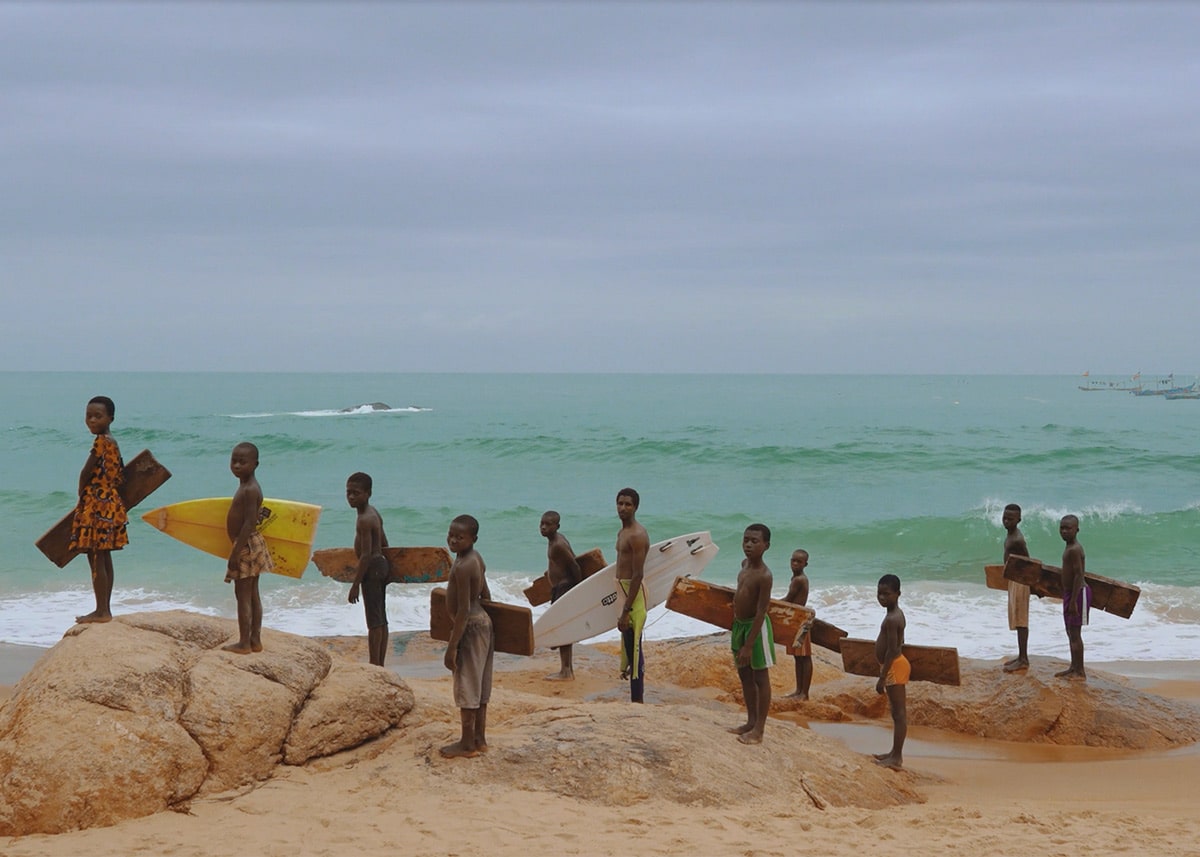
Souleymane Sidibé is one of the pioneers of a new era for surfing in Côte d’Ivoire, a region where the ocean deities are venerated and feared. A talented surfer, he inspires the next generation to overcome inequalities and cultural barriers and access the transformative power of surfing. The beautiful new documentary The Rising Dawn follows Souleymane on a fascinating journey that reveals unexplored waves and ethereal landscapes while celebrating the dynamism of the communities that are shaping the country’s surf culture. Poetic and powerful, this is a true story of Africa, as told by the surfers who live there.
The Rising Dawn has its UK Premiere Friday 7th November as part of the at the 14th London Surf / Film Festival presented by Finisterre.
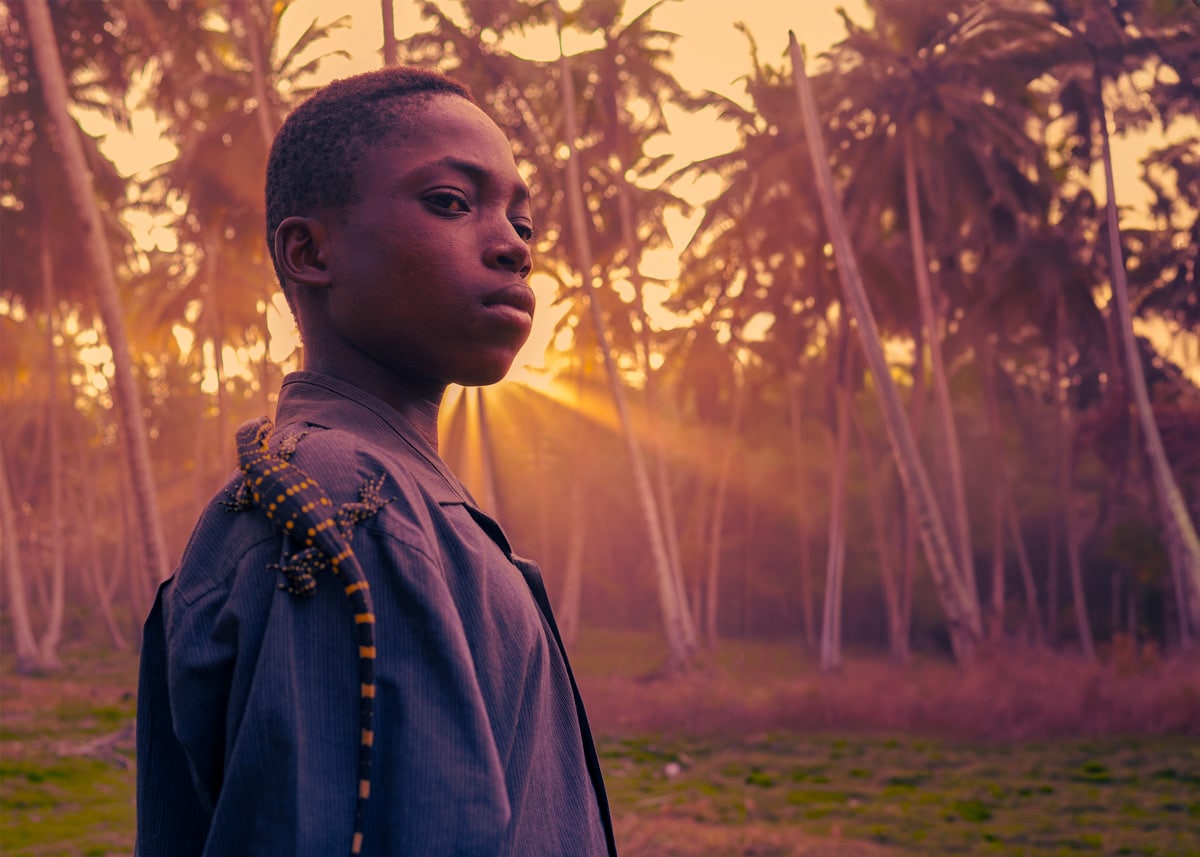
We caught up with Director Nadi Saddy to find out more about the film and the joys of surfing in Côte d’Ivoire.
How did you and fellow filmmaker Nuits meet and why did you decide to make this film?
My fascination with surfing goes back to my childhood weekends in Assinie, on the Ivorian coast. I always felt a deep connection with the ocean, but growing up there was no mentor to help me understand its rhythms or the culture surrounding it. Years later, while studying in San Diego, California, I discovered surf culture and as I returned to Côte d’Ivoire, I saw the untapped potential to develop surfing not only as a sport, but as a cultural and social movement. The idea of making a film gradually took shape as a way to shed light on this potential and reveal the beauty and promise of our coastline.
In 2020, while researching for the film, I met Souleymane Sidibé, one of the country’s most talented surfers. That encounter became both a friendship and the foundation of the project. Two years later, seeking to elevate the film’s artistic dimension, I asked Souleymane to connect me with the artist and filmmaker Nuits Balnéaires, whose visionary work had inspired me. The fusion of our two worlds gave the project its creative direction, and The Rising Dawn was born.
Can you tell us a bit about the project, your main character Souleymane Sidibé as well as the waves and community of Côte d'Ivoire?
The film follows Souleymane Sidibé, a passionate and self-taught surfer whose journey embodies resilience and courage. Through his voice, we discover not only his personal story but also the broader challenges faced by many surfers along the West African coast. Coming from a family and culture where surfing was unknown, Souleymane had to convince his parents that his passion was not a waste of time despite the dangers of the ocean in Côte d’Ivoire and the lack of safety infrastructure. Today, he stands as one of the very few Ivorians making a living entirely from surfing, and his story has become a symbol of inspiration for a new generation to believe in their dreams.
We filmed along the coastline of Côte d’Ivoire—from Assinie, Dagbego, Sassandra, Grand Drewin, to a mythical right-hand point known as “Bon Tonton.” Each spot has its own character, from tropical beach breaks to long, peeling rights. Beyond the waves, we met coastal communities encountering surfing for the first time. The film captures that sense of wonder and the deep connection between tradition, modernity, and spirituality.
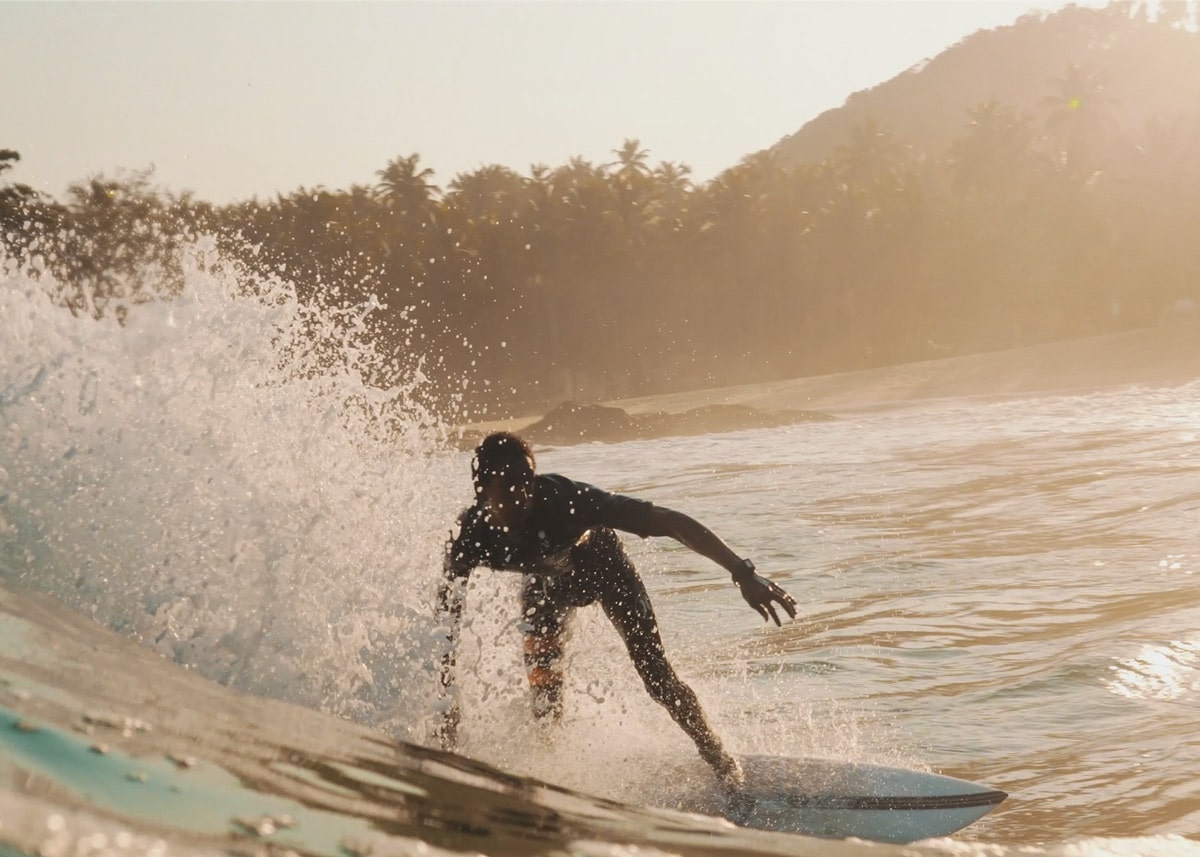
The cinematography is stunning — how long did the project take, what was the hardest part, and what was the greatest reward?
The project unfolded over four years — from the first scouting trips in 2020 to the final cut in 2024. The greatest challenge was the logistics: traveling along remote stretches of coastline with very limited resources. At the time, there was no paved coastal road and unpredictable weather patterns, so reaching many of these locations was extremely difficult and often only possible with a 4x4 vehicle. Most of the spots were isolated beaches, with little or no access to basic necessities such as electricity.
Yet every challenge was balanced by moments of pure magic — discovering untouched point breaks that had never been surfed before, connecting with coastal communities whose simplicity and generosity deeply inspired us, being able to share our passion for surfing with them, witnessing the light during those golden hours, watching children stand on a board for the first time and witnessing the spark of inspiration in a new generation of surfers made every hardship worthwhile.
It was through this journey that the NGO Surf Côte d’Ivoire was born — a natural continuation of the film’s mission to give structure, visibility, and support to a growing surf community. Today, that movement has inspired a new generation of Ivorian surfers, including the country’s first female surf club, youth training programs, and national surf contests. What began as a film project has evolved into a broader cultural and social movement — one that uses surfing as a tool for empowerment, connection, and change.
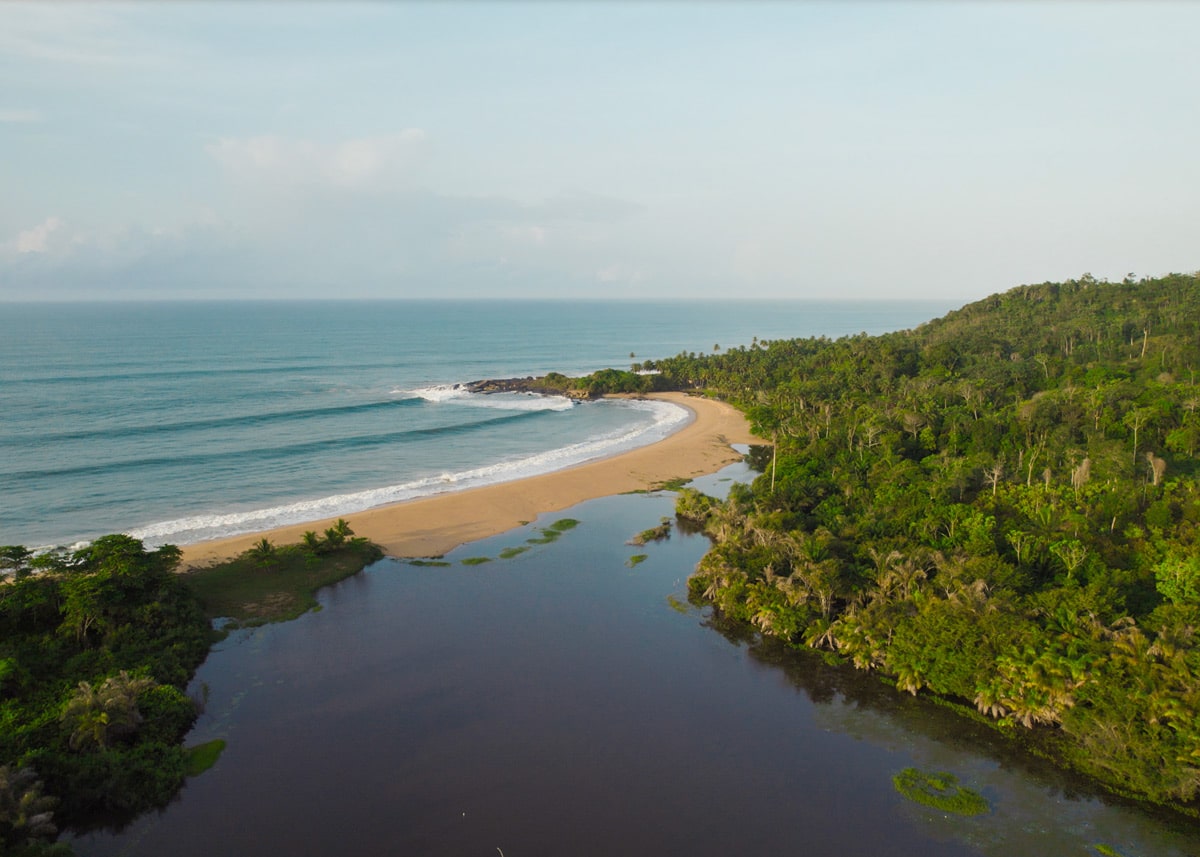
What do you hope the film will achieve and what do you hope will be the future for surfing in Côte d’Ivoire?
I hope The Rising Dawn will place Côte d’Ivoire on the world surf map. I hope that it will show local communities that surfing is possible here, that it can be practiced, celebrated, and woven into our cultural identity. Beyond the sport itself, I hope it inspires a new generation to believe in their dreams and to see the ocean as a space of freedom, creativity, and connection.
Surfing in Côte d’Ivoire is still very young, but its potential is immense, socially, culturally, environmentally, and economically. It has the power to unite people from different cultural and social backgrounds, create new opportunities for youth, and encourage a deeper respect for our coastline and marine ecosystems. My hope is that this film becomes a spark, one that ignites lasting change and helps build a sustainable surf culture that belongs to the people of Côte d’Ivoire.